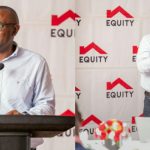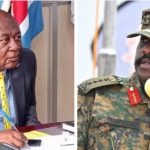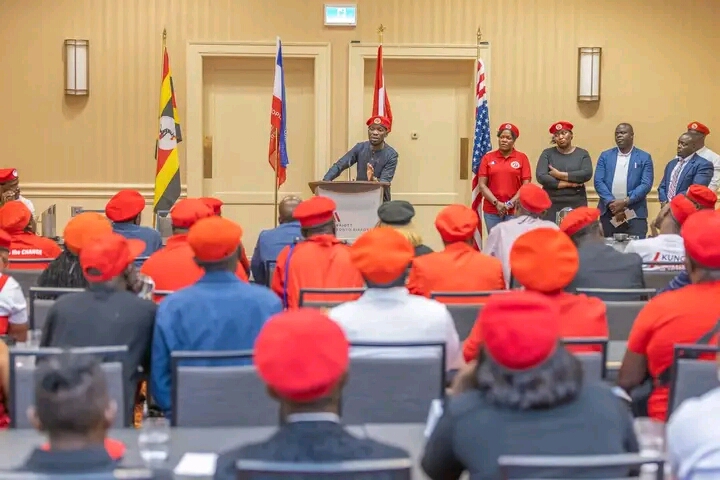
Toronto, Canada – While addressing Ugandans in the diaspora during the 2025 NUP Canada Convention at the Toronto Airport Marriott Hotel, National Unity Platform (NUP) president Robert Kyagulanyi Ssentamu—popularly known as Bobi Wine—made bold promises that are now stirring heated debate back home.
Speaking to a crowd of enthusiastic supporters, Kyagulanyi declared that should he be elected President of Uganda in 2026, he would redirect the entire Shs 1 trillion Parish Development Model (PDM) budget to provide free university education and medical care for all Ugandans.
“That Shs 1 million being given to people in villages is just political bribery. It can’t change their lives,” he told the cheering audience. “Instead of turning Ugandans into beggars, we shall use that money to give every child free university education and ensure no Ugandan suffers without access to medical treatment.”
However, the opposition leader’s remarks have been met with criticism from observers who argue that his statements ignore existing government initiatives, particularly the already functional policy of free education in public universities—at least for a section of students.
Currently, the Ugandan government sponsors thousands of students annually through the Joint Admissions Board (JAB) system, particularly for those excelling in Uganda Advanced Certificate of Education (UACE) examinations. These students attend Makerere University, Kyambogo University, Gulu University, and other public institutions under full government sponsorship, which covers tuition and living allowances.
Medical care, though limited in quality and accessibility, is also free of charge at all public health facilities—from Health Centre IIs to national referral hospitals.

Critics argue that Kyagulanyi’s claims create a false impression that no form of government support currently exists, potentially misleading both voters and the diaspora.
“It’s reckless populism,” one education analyst said. “Yes, the system has gaps, but you can’t tell people there’s no free university education when tens of thousands are benefiting annually.”
Others also questioned the feasibility of converting the PDM budget into a universal education and healthcare scheme, especially considering Uganda’s growing population and economic constraints.

Despite this, Kyagulanyi’s message resonated strongly with many in the diaspora, especially those disillusioned by the government’s approach to poverty eradication and service delivery.
As the 2026 general election approaches, political rhetoric is likely to intensify, but so will public scrutiny of promises made by both incumbents and aspiring leaders.