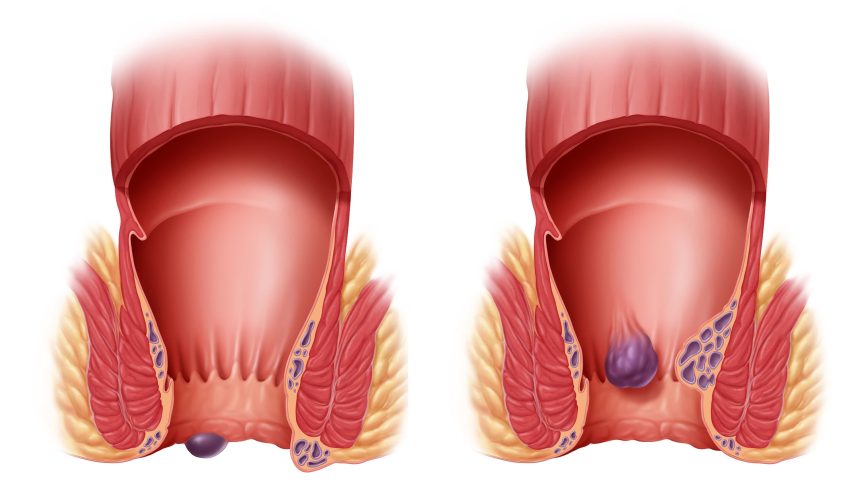
Haemorrhoids, commonly referred to as piles, are swollen veins in the lower rectum and anus. They can be quite uncomfortable and may cause a range of symptoms, including pain, itching, and bleeding during bowel movements. Understanding how haemorrhoids develop, their risk factors, signs and symptoms, and the role of nutrition can help in prevention and management.
How haemorrhoids Develop
Haemorrhoids can develop due to increased pressure in the veins of the rectum and anus. This pressure can cause the veins to swell, leading to the formation of haemorrhoids. There are two main types of haemorrhoids: internal and external. Internal haemorrhoids occur inside the rectum and are usually painless, while external haemorrhoids develop under the skin around the anus and can be painful.
The development of haemorrhoids can be influenced by several factors, including lifestyle choices, dietary habits, and underlying health conditions.
Risk Factors for Haemorrhoids

Several risk factors can contribute to the development of haemorrhoids:
- Constipation: Straining during bowel movements can increase pressure in the rectal veins.
- Pregnancy: The growing uterus puts pressure on the pelvic veins, and hormonal changes can weaken the vein walls.
- Obesity: Excess weight can increase pressure on the pelvic veins.
- Sedentary Lifestyle: Lack of physical activity can contribute to constipation and weakened veins.
- Age: The risk of haemorrhoids increases with age as the tissues supporting the veins may weaken.
- Prolonged Sitting: Sitting for long periods, especially on the toilet, can increase pressure on the rectal veins.
- Heavy Lifting: Regularly lifting heavy objects can strain the rectal area and lead to haemorrhoids.
The Role of Nutrition in Relieving Hemorrhoids

Nutrition plays a crucial role in managing and preventing haemorrhoids. A diet high in fibre can help soften stool and reduce the need to strain during bowel movements. This can significantly alleviate the pressure on the rectal veins, helping to prevent the formation of haemorrhoids and relieve existing symptoms.
Importance of Fibre
fibre is essential for digestive health, and it can be categorized into two types: soluble and insoluble. Both types play a role in preventing haemorrhoids:
Soluble fibre: Found in foods like oats, beans, lentils, fruits, and vegetables, soluble fibre can help regulate bowel movements by absorbing water and forming a gel-like substance.
Insoluble fibre: Found in whole grains, nuts, seeds, and the skins of fruits and vegetables, insoluble fibre adds bulk to stool and helps it pass more quickly through the digestive tract.
A high-fibre diet can help prevent constipation and reduce the straining that contributes to haemorrhoids. The recommended daily intake of fibre is about 25 grams for women and 38 grams for men, though many people fall short of these goals.
Important Foods to Prevent Hemorrhoids
Incorporating certain foods into your diet can help maintain healthy bowel movements and prevent haemorrhoids:
- Fruits: Apples, pears, berries, and prunes are rich in fibre and also contain water, which can help soften stool.
- Vegetables: Leafy greens (like spinach and kale), broccoli, and carrots are excellent sources of fibre.
- Whole Grains: Foods such as brown rice, quinoa, oatmeal, and whole wheat bread provide insoluble fibre.
- Legumes: Beans, lentils, and chickpeas are high in fibre and can help bulk up stool.
- Nuts and Seeds: Almonds, chia seeds, and flaxseeds are good sources of healthy fats and fibre.
- Fluids: Staying well-hydrated is crucial. Water helps to keep the stool soft and can aid in the prevention of constipation.
Dietary Tips
In addition to increasing fibre intake, other dietary adjustments can further support bowel health:
Avoid Processed Foods: These often contain low fibre and high sugar, which can contribute to constipation.
Limit Spicy Foods: While not directly causing haemorrhoids, spicy foods can irritate existing haemorrhoids.
Moderate Alcohol and Caffeine: These can lead to dehydration and constipation if consumed in excess.
Lifestyle Changes
Beyond dietary adjustments, certain lifestyle changes can help reduce the risk of developing haemorrhoids:
Regular Exercise: Physical activity promotes healthy bowel function and helps prevents obesity.
Avoid Prolonged Sitting: Take breaks to stand and move around, especially if you have a sedentary job.
Practice Good Bathroom Habits: Do not strain during bowel movements, and avoid sitting on the toilet for extended periods.
Conclusion
Hemorrhoids can be a painful and uncomfortable condition, but knowing their causes and prevention strategies can significantly alleviate symptoms. A high-fibre diet, rich in fruits, vegetables, whole grains, and adequate hydration, is essential for maintaining healthy bowel movements and preventing haemorrhoids. By ensuring mindful dietary choices and adopting healthy lifestyle habits, individuals can manage and reduce their risk of developing this common condition.
Kamara Daniel- Nutritionist, Bwindi Community Hospital.