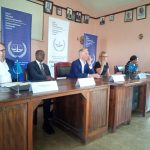
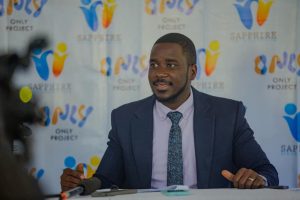
Sapphire Africa Foundation has called for greater recognition and policy attention for Duchenne Muscular Dystrophy (DMD) in Uganda as the world marked Duchenne Awareness Day on September 7. The foundation wants the condition included in national health priorities and recognized through an official awareness day on the country’s calendar.
The organization says Duchenne remains widely misunderstood in Uganda, with many families attributing its early symptoms to witchcraft or curses instead of a genetic medical condition. DMD is a rare but severe neuromuscular disorder that primarily affects boys, leading to progressive muscle weakness. Globally, the condition affects about one in every 3,500 to 5,000 male births. While no official data exists for Uganda, estimates suggest at least 250 boys could be living with the disorder, though the real figure is likely higher because of limited diagnostic services and low levels of awareness.

Symptoms of Duchenne usually appear between the ages of two and six, with children experiencing delayed walking, frequent falls, difficulty climbing stairs, and muscle weakness in the hips and shoulders. As the disease progresses, affected children face complications such as scoliosis, respiratory difficulties, and heart problems. Without early diagnosis and interventions such as physiotherapy, mobility aids, and medical management, children’s conditions deteriorate rapidly, reducing both their independence and quality of life.
Access to diagnosis remains extremely limited, with few hospitals able to test or confirm the condition. In many cases, children are misdiagnosed or repeatedly referred, causing financial strain and delaying appropriate care. The absence of structured screening programs means that opportunities for early intervention are often missed.

Families also contend with stigma and social exclusion. In some communities, the disorder is misunderstood, leading to discrimination that isolates children and caregivers. Without proper psychosocial support, families are left to cope with both the emotional and economic burden of the disease on their own.

Sapphire Africa Foundation is advocating for dedicated hospital wards for Duchenne and other neuromuscular conditions, regional care centers to reduce the burden of travel, and improved training for health workers to identify early symptoms. The group also urged policymakers to include DMD in Uganda’s broader healthcare and disability strategies, which would allow for targeted funding, better integration of screening and treatment, and more consistent support for families.

The foundation, which has operated in Uganda since 2014, runs programs in health, education, and empowerment across districts including Wakiso, Nakaseke, Fort Portal, Gulu, Kamwenge, and Kampala. Its work includes providing mobility aids such as wheelchairs and walkers, offering physiotherapy support, and equipping families with adaptive devices to help children maintain independence.
Despite these efforts, the organization maintains that government recognition and stronger health system involvement are critical. Policy inclusion, improved diagnostic capacity, and dedicated research are viewed as essential steps toward addressing the hidden burden of Duchenne in Uganda and ensuring that children affected by the condition receive timely care and support.