By Alele Ronald
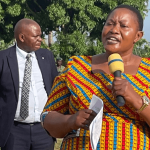
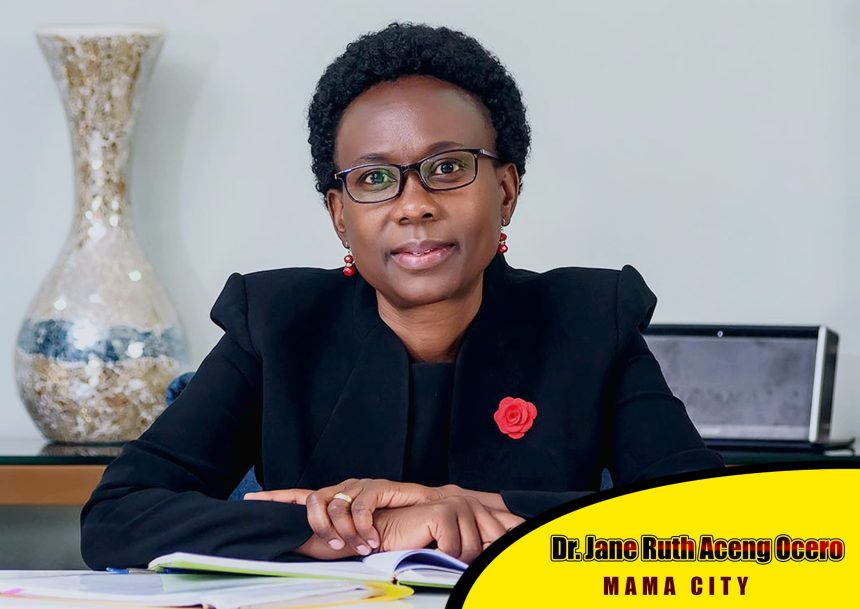
LIRA CITY, UGANDA – The people of Lango sub-region have welcomed the resounding re-election of Dr. Jane Ruth Aceng Ocero as the Woman Member of Parliament for Lira City, viewing it not just as a political victory, but as a mandate to continue the transformation of the region’s health sector.
Interviews conducted by the Ankoletimes across several districts reveal a populace united in their belief that Dr. Aceng, who also serves as the Minister of Health, has been instrumental in elevating Lango’s healthcare standards to compete with other regions in the country. Her victory at the polls is seen by many as an endorsement of her results-oriented leadership.
In Lira City, the epicenter of this healthcare evolution, residents point to the Lira Regional Referral Hospital as the crowning jewel of her efforts. Once a facility with limited capacity, it has been upgraded to a modern hospital capable of handling complex medical cases.
“Dr. Aceng has done the right things for Lango. The most visible is in the health sector, where she has managed, at the very least, to make our region compete with others,” said Eunice Acen, a Lira City resident who praised the Minister’s proven track record.

This sentiment was echoed in the more remote corners of the region. In Otuke District, Samuel Opio, a resident of Ogor sub-county, highlighted the practical impact of the improved facilities. “People used to travel all the way to Mulago hospital in Kampala for special cases, which was expensive and difficult. Now, Dr. Aceng has improved the standard at Lira Regional Referral Hospital to handle those special cases here at home,” Mr. Opio explained.
The development wave, however, is not confined to Lira City. In Apac District, residents credit Dr. Aceng’s lobbying efforts as the Minister of Health for a significant upgrade of local infrastructure. Adongo Immaculate noted that the district is now home to a well-equipped Health Centre IV and three new Health Centre IIIs, all attributed to the Minister’s influence and hard work in securing resources for the region.

“We are now seeing the benefits in our own sub-counties. Through her efforts, our healthcare is no longer a dream but a reality,” said Ms. Immaculate.
Across the region, from Amolatar to Alebtong, the call from the people extends beyond Dr. Aceng’s parliamentary duties. Many are now urging the central government to retain her in her powerful ministerial post, arguing that her leadership at the national level is crucial for sustaining the regional momentum.
Bonny Okello, a resident of Amolatar District, commended the voters of Lira City for their decision to return her to Parliament. He now looks to President Yoweri Museveni and the ruling party to ensure she continues her work at the Ministry of Health. “The people of Lira City have done their part by retaining her. We now urge the government to retain her in her ministerial post so that the good work she has started across Lango can continue,” Mr. Okello stated.
For the people of Lango, Dr. Aceng’s re-election represents a promise kept and a future secured. Her ability to blend national responsibility with regional development has forged a powerful bond with her constituents, who see her not only as their voice in Parliament but as the chief architect of a healthier and more prosperous Lango sub-region.