Internet access across Uganda has been partially restored five days after the Uganda Communications Commission (UCC) ordered a nationwide suspension ahead of the presidential and parliamentary elections. However, users continue to experience slow speeds, unstable connections, and limited access to social media platforms.
The disruption stems from a January 13 directive issued by UCC Executive Director Nyombi Thembo, instructing mobile network operators and internet service providers to suspend public internet access, halt the sale and registration of new SIM cards, and block outbound data roaming to One Network Area countries. The measures took effect at 6:00 pm, two days before the elections, and mainly affected cyber cafés, public Wi-Fi hotspots, and other shared access points.
By Sunday, basic connectivity had returned in many parts of the country, but functionality remained inconsistent. Social media platforms loaded intermittently, messaging applications suffered delays, and video and image content often failed to load. Several users also reported that their mobile data bundles were being depleted despite the limited service.
“We have internet, but it’s crawling,” said a Kampala-based business owner who requested anonymity due to the political climate. “Emails take minutes to send, and social media only opens sometimes. It feels like the restrictions are still partly in place.”
From early morning, users across Kampala and other urban centres reported difficulties accessing WhatsApp, Facebook, Instagram, and X (formerly Twitter). Messages failed to send, images did not load, and videos stalled for long periods. Employees struggled to send emails, attend virtual meetings, and access cloud-based systems essential for daily operations.

“We kept refreshing, restarting routers, and switching networks, but nothing changed,” said Taison Kule, an IT personnel based in Kampala.
The continued slowdown has raised questions about the scope and duration of the UCC directive. While the commission had earlier stated that the suspension would remain until a formal restoration notice was issued, no detailed public explanation has been given regarding the phased return of services or the cause of the ongoing limitations.
UCC justified the shutdown as a measure to curb misinformation and disinformation, prevent electoral fraud, and reduce the risk of online incitement during the election period. The directive followed earlier warnings from the Electoral Commission that internet access would depend on user conduct online.
Civil society organisations and digital rights advocates have repeatedly criticised such restrictions, arguing that they undermine access to information, freedom of expression, and transparency during elections. They say the prolonged slowdown continues to raise these concerns even after voting has concluded.
As the country transitions out of the election period, internet users and businesses are calling for a full restoration of services and greater transparency from authorities on any remaining technical or regulatory controls. While the return of connectivity has brought some relief, many say the sluggish speeds highlight the fragility of digital communication during politically sensitive periods.
The elections, which returned President Yoweri Kaguta Museveni as the winner, were conducted during a nationwide internet blackout that forced many online-dependent businesses to close, with operators reporting significant losses.
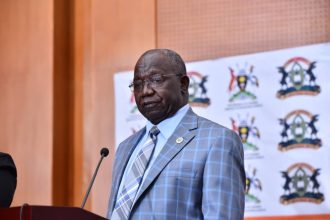
Meanwhile, it has emerged that UCC Executive Director Nyombi Thembo is expected to address the media later this afternoon at the commission’s headquarters in Bugolobi.