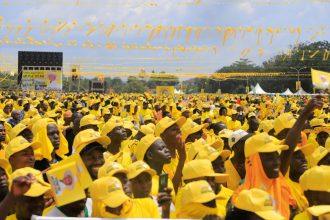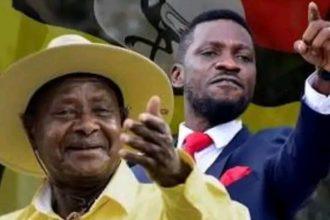
As Uganda moves toward the 2026 general elections, the youth vote stands out as absolutely central. With more than 70 % of Ugandans under the age of 30, the younger generation constitutes the largest demographic and many have grown up entirely under the leadership of Yoweri Museveni. This means that his narrative, policies, and programmes resonate deeply with those born into his era of rule.
Empowering the Youth Through Inclusive Programmes

The Museveni administration has rolled out a number of youth‑centred initiatives with measurable results:
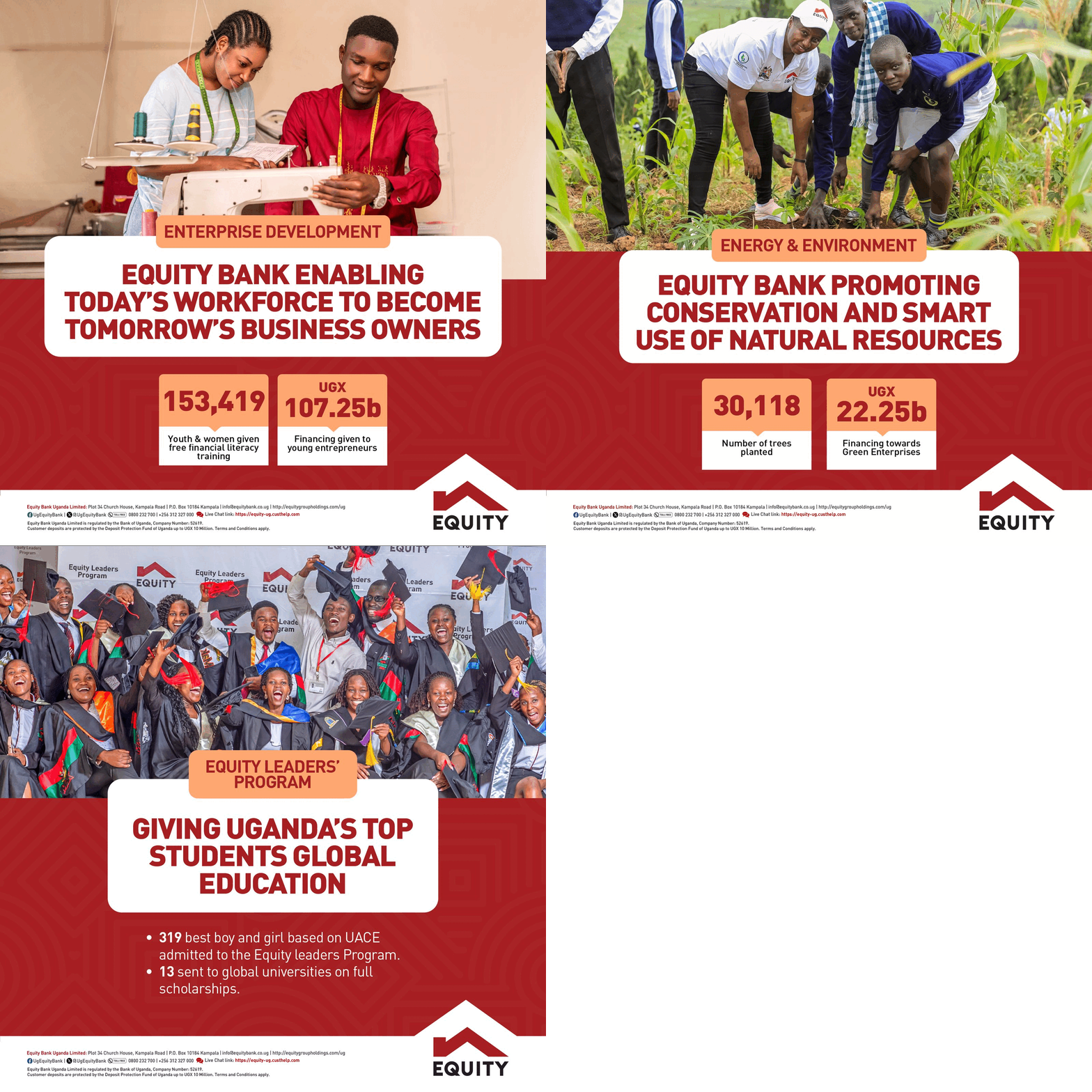
Under the Youth Livelihood Programme (YLP), over UGX 193.7 billion has been disbursed, benefiting more than 273,000 youths.
The Parish Development Model (PDM) and Emyooga initiatives extend beyond agriculture into trade, manufacturing, and services — and importantly engage youth as both beneficiaries and stakeholders.
Awareness among youth of such programmes is strong; for example, in urban districts like Kampala and Gulu a large majority reported knowledge of Emyooga.
Beyond funding, the rhetoric from President Museveni himself underscores this focus:
“My emphasis is that all the youth … should get involved in wealth creation because many of the problems I have seen in the last more than 70 years, are normally among children who didn’t have wealth creation as part of their culture, it’s very dangerous.”
— President Museveni
“The PDM money is your money. Defend it… We send the money from the centre, but if you do not monitor it, it will be stolen by your own people.”
— President Museveni
Such statements are instructive: they place the youth not just as beneficiaries of government programmes, but as active monitors, entrepreneurs, and wealth‑creators.
Education and Skilling: Building the Next Generation
Education access and skills development remain core pillars of the youth strategy.
Free Universal Primary and Secondary Education under the ruling party has enabled millions of young Ugandans to access schooling.
The establishment of regional skilling hubs and the Presidential Initiative on Skilling the Girl and Boy Child, launched in 2017, has so far trained more than 30,000 urban youths in trades like mechanics, ICT, tailoring, and carpentry.
President Museveni has emphasised that youth must be “biologically, spiritually, morally, educationally and … technically upright.”
These efforts indicate a dual strategy: widen access to education and ensure that the youth are equipped with practical skills for the labour market — especially in a country where early labour outflow remains a challenge.
Discouraging Unproductive Labour Migration
A frequent refrain from Museveni has been to warn against migration of youth to the Middle East for domestic work and instead encourage them to “create wealth at home.”
“The youth should not rely on labour export; we must emphasise commercial agriculture, manufacturing and services — including digital.”
— President Museveni
This message fits into the broader NRM narrative of “wealth creation, not welfare” and positions young Ugandans as entrepreneurs rather than migrants.
Youth Leadership: Entrusting a New Generation
The ruling party is not only empowering youth through programmes, it is also entrusting them with leadership roles — signalling that young people cannot only benefit from government services, they can shape them.
Here are notable examples of youth leadership elevation under the NRM:
- Phiona Nyamutoro (born 1993) — National Female Youth MP and appointed State Minister for Mineral Development in the Ministry of Energy & Minerals (March 2024).
- Balaam Barugahara (born 1979) — State Minister for Children and Youth Affairs in the Ministry of Gender, Labour and Social Development (appointed March 2024).
- Agnes Kirabo — Central Region Youth MP representing NRM, actively mobilising youth in regions like Luweero.
- Peter Ogwang — State Minister and former youth representative, exemplifying the NRM’s strategy of promoting young leaders.
These appointments and youth‑leadership placements send a clear signal: the NRM sees young people not as passive assets but as active vanguards. For a generation that has grown up under this regime, seeing peers ascend to visible public‑leadership roles reinforces identification with the party’s vision.
A Contrast with the Opposition
While the opposition, especially National Unity Platform (NUP), appeal to sections of urban youth through activism and protest narratives, critics argue their approach lacks the structured economic‑pathway framing present in the NRM’s youth programmes and leadership strategy. The NRM’s track record of programme delivery, youth inclusion, and institutional backing offers a more tangible model of youth empowerment.
Born Under Stability, Growing with Opportunity
For young Ugandans who have only known the Museveni era, his presidency represents continuity, peace, and the promise of opportunity. Though challenges remain — for example, more than 50 % of young adults are reported to be neither in employment, education nor training — the combination of youth‑centred programmes, leadership pipelines, and a rhetoric of empowerment positions the NRM favourably with the youth vote.
As the 2026 election draws near, the appeal of the ruling party among young Ugandans may well lie in its demonstration that it is not only about delivering resources, but about embedding youth into the heart of national transformation.