Malnutrition remains one of Uganda’s most pressing public health concerns. Although progress has been made, many children under five are still stunted, underweight, or suffer from acute malnutrition.
As a nutritionist working in Uganda, I believe one of our strongest tools for turning this trend around is our community health workforce Village Health Teams (VHTs), and increasingly Community Health Extension Workers (CHEWs).
When well trained, equipped, and supported, these health workers are vital to early detection, prevention, and treatment of malnutrition not only in children, but among pregnant and lactating women, adolescents, and even older adults.
Role & Reach of VHTs and CHEWs in Uganda
Village Health Teams (VHTs) were established in 2001 under Uganda’s National Health Policy to help fill gaps in health service delivery, particularly in rural and hard‑to‑reach areas. They are volunteers selected by their communities, serving as the front line of health education, preventive services, and referral.
Community Health Extension Workers (CHEWs) are a newer cadre, trained and paid (or given allowances), operating at parish level to extend the reach of the formal health system. CHEWs provide more consistent, routine services, sometimes covering larger areas, and assisting VHTs.

Together, VHTs and CHEWs form a network that can bring nutrition services into homes. They are often the first point of contact for families, and their closeness to their communities gives them deep trust and legitimacy. This allows more frequent interactions, community sensitization, and promotion of behaviors change.
What Community Health Workers Do to Combat Malnutrition
Based on country experiences, here are the key actions performed by VHTs/CHEWs in Uganda in nutrition:
Screening and early detection
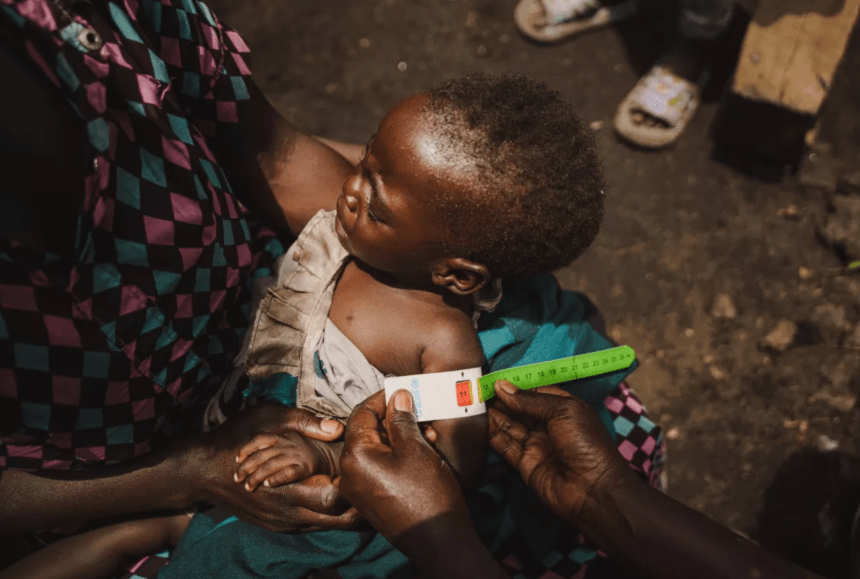
VHTs frequently use MUAC (Mid‑Upper Arm Circumference) tapes to screen children under five for wasting and malnutrition. In some districts, they carry color‑coded MUAC tapes to enable simple categorization (red, yellow, green). They also detect oedema, weight loss, or growth faltering. Early detection allows for timely referrals or counselling.
Referral and follow‑up
When a child or mother is found to be malnourished, VHTs/CHEWs refer to health centers for more specialized care. They then follow up at home to check that the prescribed feeding, supplementation or therapeutic foods are being used correctly, monitor recovery, and detect relapse.
Nutrition education and behavior change
A lot of malnutrition is preventable through improved feeding practices, hygiene, safe water, sanitation, proper food preparation, and maintaining dietary diversity. VHTs teach mothers, caregivers, families how to prepare nutrient‑dense meals using local and affordable foods. They conduct cooking demonstrations, growth monitoring, counsel on infant and young child feeding (IYCF) practices.
Community empowerment and family‑led monitoring
Uganda is rolling out initiatives like the Family‑Led MUAC approach where caregivers are trained to use MUAC tapes at home to monitor their children. This empowers families to detect malnutrition early, rather than waiting for formal visits.
Integrating nutrition into routine health services
CHWs under VHT/CHEW roles are not only for malnutrition but link with other health services: maternal care, antenatal and postnatal, immunization, water & sanitation, hygiene, referral etc. This integration helps to catch nutrition issues early, and addresses the drivers of malnutrition.
Challenges from the Field
Despite successes, there are significant barriers that limit the full potential of VHTs and CHEWs in tackling malnutrition:
Limited resources and training: VHTs are volunteers, often with minimal or irregular training. Continuous refresher training, supervision and mentorship are often missing.
Weak supervision, inconsistent supplies: Tools like MUAC tapes, growth monitoring equipment, therapeutic foods, fortified foods and other supplies are sometimes unavailable. Referral pathways may be weak, or health facilities far.
Motivation & incentives: As many are volunteers, lack of compensation or recognition can lead to dropouts or low activity. Time constraints, travel, and balancing other livelihood responsibilities affect performance.
Cultural beliefs, food insecurity, and poor sanitation: Knowledge alone isn’t sufficient. Even when VHTs/CHEWs teach families about nutritious diets, households may not have access to diverse foods, or water and hygiene may be poor, undermining nutrition.
Recommendations: What Needs to Happen for Stronger Community Action
As a nutritionist deeply involved in program design and field work, here are actions that I believe can enhance the power of VHTs / CHEWs to reduce malnutrition in Uganda.
Invest in training & mentorship for CHWs
Regular refresher trainings on nutrition, screening tools (MUAC, weight, height), messaging for IYCF, counselling skills, data collection. Mentorship from district nutritionists helps maintain quality.
Ensure supply of tools & therapeutic supplies
Equipment like reliable MUAC tapes, growth charts, scales; also ready‑to‑use therapeutic foods (RUTF), diversely fortified foods, supplements (iron, vitamin A etc), should reach community level without frequent stockouts.
Strengthen supervision and linkage to health system
Good supervision ensures VHTs/CHEWs are supported, accountable, and referred cases are followed through. Also link with health facilities so that referrals work and families trust the system.
Provide motivation and incentives
While many VHTs are volunteers, small stipends, recognition, tools for transport (e.g., bicycles), and nonfinancial incentives (community respect, identity, visibility) help with retention and effectiveness.
Engage families and caregivers in monitoring
Approaches like Family‑Led MUAC empower mothers/caregivers to monitor at home. This reduces delays in detection and strengthens ownership. Also, community care groups, lead mothers, peer learning help scale messages.
Address food security, sanitation & water
Malnutrition does not occur in isolation. Programs must ensure that households have access to safe water, sanitation, diversified food, kitchen gardens, livelihood support that allow families to adopt recommended diet practices.
Use accurate data for planning & accountability
Monitoring trends in malnutrition, mapping hotspots, tracking referrals, follow‑ups. Data systems need support mobile tools, reporting, supervision. Successful projects like the “Using Data to Tackle Acute Malnutrition” provide a model.
As Uganda moves towards better health outcomes and lower malnutrition rates, our community health workforce is absolutely central. VHTs and CHEWs are at the frontline: they detect, educate, refer, follow up, and support behavior change. But to fully harness their potential, they must be well trained, equipped, supervised, motivated—and working in a system that supports supply chains, data, and community engagement.
Kamra Daniel, Nutritionist- Bwindi Community Hospital.