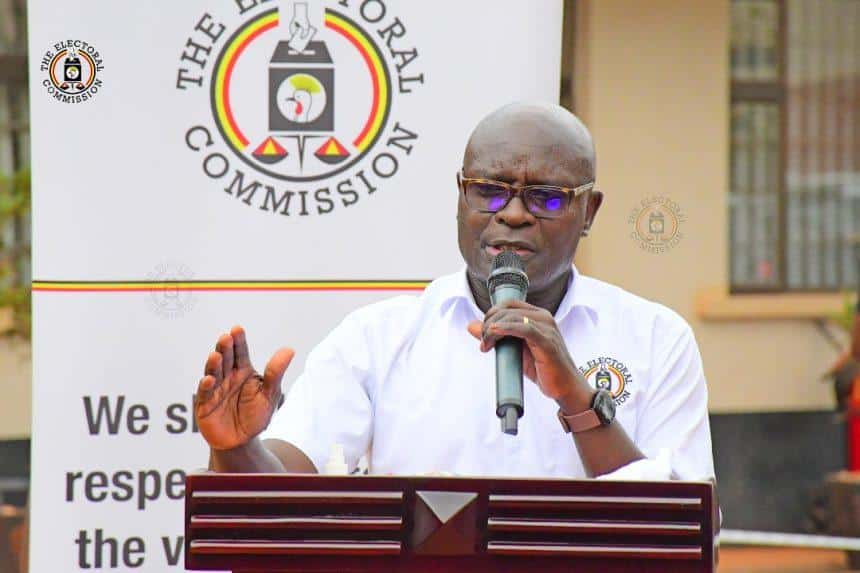
The Electoral Commission (EC) has revealed that it recently met with major global social media companies as part of its preparations for the 2026 General Elections.
According to officials, the meeting—held in Cotonou—brought together representatives from Meta (Facebook, Instagram, WhatsApp), X (formerly Twitter), Google (YouTube), and ByteDance (TikTok), focusing on the growing challenge of harmful online content.
Speaking about the discussions, the EC noted that the rise of misinformation and provocative online messages has become a global concern, especially during elections.
“We have heard a lot of new information constituting hate speech and misleading messages, especially during elections,” an EC official said. “This harmful information reaches very many people in real time, and that makes it difficult to manage.”
The Commission highlighted how the internet has become a powerful tool that can both unite and mislead the public.
“The internet can organize individuals around an idea—positively or negatively,” the official explained. “This is why we engaged directly with the owners of the platforms.”
During the meeting, the EC acknowledged the positive contributions of social media companies but also raised concerns about their limitations.

“We thanked them for their innovations, but we also observed that they created something they can no longer fully control,” the official said. “Even when you report harmful content, the procedures for removing it are slow and lengthy.”
According to the Commission, the delays in handling harmful online material have triggered serious problems in various countries and forced some governments to take drastic measures.
“Some of these messages have injured individuals or caused chaos,” the official noted. “And because of that, governments sometimes have no choice but to shut down the internet. In Uganda, Facebook was even pulled down.”
The EC says the purpose of the meeting was not to blame the companies but to seek cooperation.
“We wanted the social media owners to appreciate the gravity of the issue and work with us—the end users and beneficiaries—to ensure social media is regulated in a way that keeps the country stable,” the official concluded.
The Commission believes these engagements will help create a safer online environment as Uganda heads toward the 2026 polls.