
MBARARA, Uganda — The surgeons at Mbarara Regional Referral Hospital (MRRH) have made yet another milestone in the history of the hospital. After two operations performed on Akamumpa Samuel, a 9-year-old boy, the surgeons recovered 50 sewing needles and about ten objects resembling broken glass pieces and parts of the barrel of a BIC biro pen from his stomach and intestines.
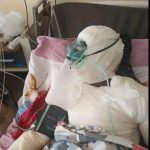
The child, who hails from Rwibare Kashenshero in Mitooma District in western Uganda, has been recovering under the hospital’s pediatric surgical care.
Samuel was referred to MRRH from Ishaka Seventh-day Adventist Hospital after health workers at Gava Imaging in Bushenyi scanned him and detected foreign bodies in his abdomen. An X-ray conducted at Ishaka Seventh-day Adventist Hospital confirmed the presence of metallic needle-like objects in his stomach and intestines, prompting the referral.
According to his aunt, Eunice Birungi, who has been the primary caretaker, Samuel had been experiencing recurrent abdominal pain for over eight months and had been receiving treatment for what was believed to be ulcers from several clinics. She said she intervened when the child’s condition worsened and took him to hospital.
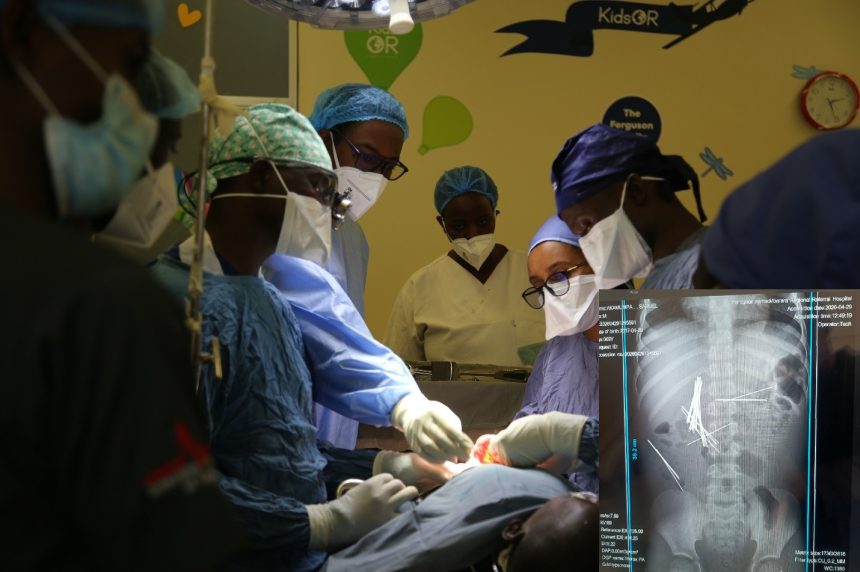
During the initial six-hour operation, surgeons recovered 43 needles, some tied in bundles with sewing thread, while others were wrapped with thin strings and pieces of cloth. They also recovered about ten fragments resembling broken glass. Most of the needles were found in the stomach and the first part of the small intestine (duodenum), while others were recovered from the remaining sections of the small and large intestines.
“Most of the needles were rusted, suggesting they had been present for some time. The fact that they were multiple and some were wrapped makes the whole case unusual and extraordinary,” said Dr. Eden Tilahun, a pediatric surgeon on the operating team.
Clearing Medical Suspicion

A follow-up X-ray conducted the day after the operation revealed a remaining needle in the intestines. A second operation was carried out, during which two needles stuck together were successfully removed.
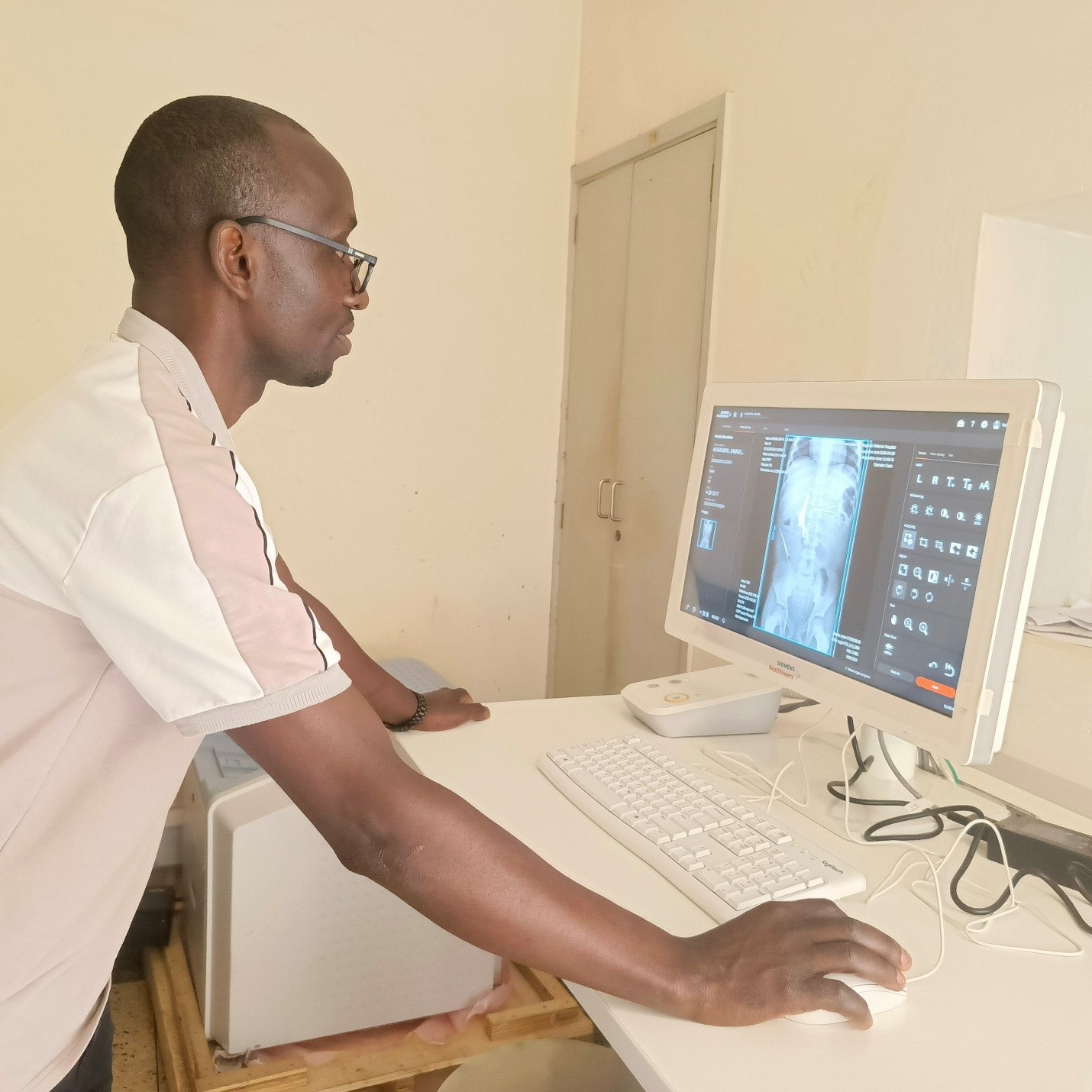
Plain X-rays showed multiple linear and bent bright white structures consistent with needles, according to Mr. Jonasi Agaba, an MRRH radiographer. Several areas of the first part of the patient’s intestines were inflamed due to the ingestion of foreign bodies, which could have caused injury to vital abdominal organs if left untreated.
Surgeons noted that while foreign body ingestion is not uncommon among young children who explore objects by putting them in their mouths, this particular case was extreme.
Genesis
Samuel is a Primary One pupil at St. Luke Primary School in Mitooma District and has been living with his stepmother, Juliet Tushabaomwe. His father, Simon Twinomugisha, separated from the child’s mother, Mellon Natuhwera, when Samuel was one year old. Samuel is the only child from his father’s marriage to his biological mother, while his father has three other children with his current wife.
The child was moved from his grandmother’s care to his stepmother about eight years ago. The mother, who last saw her son about six months ago, said she had requested custody of the child but was denied. She alleged that the child faced torture, overwork, and inadequate feeding.
Earlier reports indicated that the boy was allegedly forced to swallow needles wrapped in paper every morning for reasons that are yet to be confirmed. The stepmother is said to have bought needles from a nearby shop and reportedly told others they were intended for sewing clothes, a matter now under police investigation.
The boy has been recovering under the Pediatric Surgery team. After being assessed as medically fit, he has since been discharged and will return for scheduled follow-up appointments with the pediatric surgical team.
“I thank the health workers at Mbarara Regional Referral Hospital very much. People, I am telling you, I have never seen a hospital like this. We did not know the child could survive, but he is now in high spirits. The health workers provided constant care from the day we were admitted. We are thankful to be returning home with our child in good health,” said Birungi, his primary caretaker.
Why Early Precision Was Critical
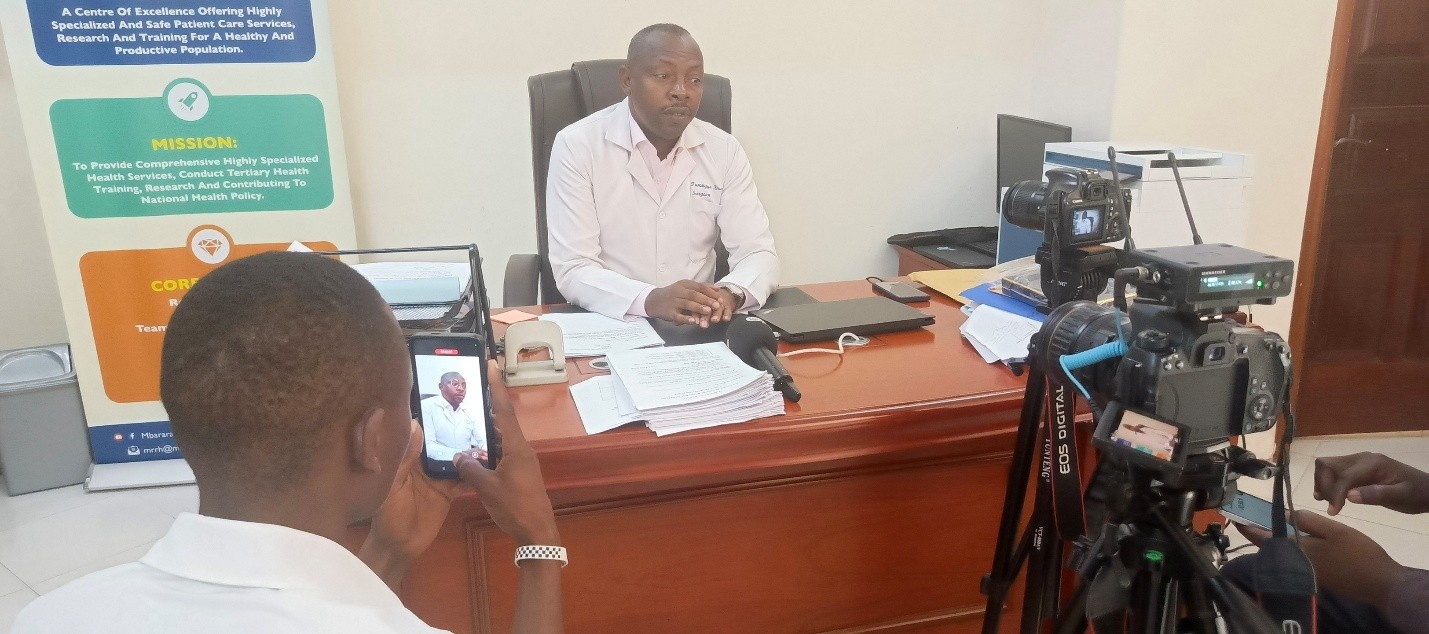
Dr. Deus Twesigye, the Acting Senior Executive Consultant and Senior Consultant General Surgeon, closely monitored the operation and described it as spectacular. He said the operation lasted about eight hours, and the length of time the needles had remained in the stomach added complexity to the procedure.
Some of the needles may have shifted from their original positions or become embedded in surrounding tissue. This is why, even after the initial procedure, a follow-up scan detected another needle, while surgery later revealed an additional one.
According to Dr. Twesigye, delayed surgery could have resulted in the needles piercing the intestines, leading to leakage of intestinal contents and severe infections affecting vital organs. Furthermore, the needles also posed a risk of bowel obstruction, which would have made it difficult for stool to pass.
Hospital officials say the case highlights the facility’s ability to handle complex procedures as it continues to provide specialized and super-specialized healthcare services to patients across the region.