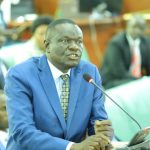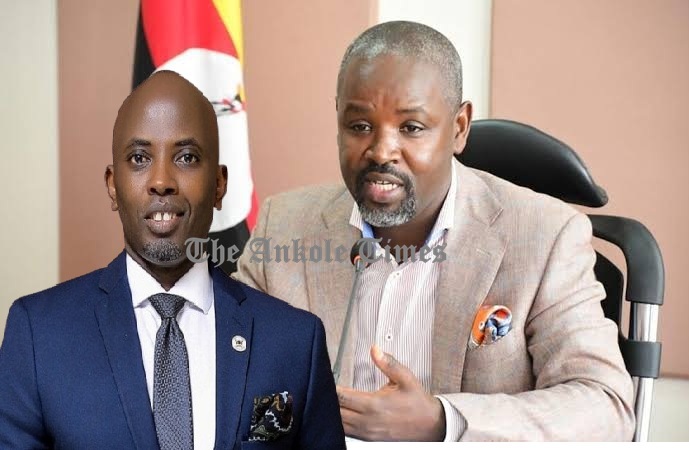

The Vice Chancellor of Victoria University, Dr. Lawrence Muganga has accused Deputy Speaker of Parliament Thomas Tayebwa of orchestrating a discriminatory campaign against him on the basis of his Banyarwanda heritage following his rejection by Parliament’s Appointments Committee.
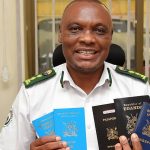
In a strongly worded statement released on social media platform X, Muganga rejected allegations that he possesses multiple passports, including a Rwandan passport, insisting that the claims are false and politically motivated.
The controversy stems from remarks made by Kasambya County MP Daudi Kabanda, who defended the committee’s decision by claiming investigations had established that Muganga held Ugandan, Canadian, and Rwandan citizenship documents.
However, Muganga categorically denied ever holding a Rwandan passport, accusing Tayebwa of introducing the allegation during the vetting process.
“I do NOT hold a Rwandan passport. This is a deliberate falsehood introduced by Hon. Thomas Tayebwa, and the truth must be told,” Muganga stated.
The academic further alleged that his rejection had been predetermined long before he appeared before the committee. According to him, comments made during the proceedings suggested that the committee had already resolved to reject at least one nominee and that he had been selected for that purpose.
Muganga claimed that Tayebwa informed him that every vetting exercise required the rejection of at least one candidate, and that he had been chosen to fill that role. He said he plans to release audio recordings that he believes will substantiate his claims.

The Victoria University vice chancellor described his experience before the committee as deeply troubling, arguing that he was subjected to hostility because of his ethnic background.
“What I experienced in that committee was not parliamentary oversight. It was hatred. It was discrimination. It was racism directed at me simply because I am a Munyarwanda,” Muganga said.
He added that despite working and studying in several countries, he had never encountered the kind of treatment he allegedly faced during the parliamentary vetting process. He challenged members of the committee to publicly disclose what transpired during the proceedings and explain the grounds upon which he was rejected.
Muganga also questioned whether there were deeper concerns surrounding his potential appointment, suggesting that some individuals may have feared what his approval could expose.
He emphasized that Banyarwanda are equal citizens of Uganda and should not be subjected to discrimination based on ethnicity, ancestry, or place of origin.
The allegations have sparked fresh debate over the transparency of parliamentary vetting processes and the treatment of Ugandans of Banyarwanda descent in public affairs.
Meanwhile, political commentator Frank Gashumba, a close associate of Muganga, has also criticized the committee’s decision and questioned the justification for rejecting the academic.
For his part, Kabanda dismissed claims of ethnic bias, arguing that several Ugandans of Banyarwanda descent have previously been vetted and approved for senior public positions. He maintained that the committee’s decision was based on citizenship concerns rather than ethnicity.
The Appointments Committee has not publicly provided a detailed explanation for Muganga’s rejection, beyond reports that questions were raised regarding compliance with citizenship requirements under Ugandan law.
As the dispute intensifies, attention is now turning to Muganga’s promised release of audio evidence, which could shed further light on the circumstances surrounding one of the most contentious vetting decisions in recent parliamentary history.