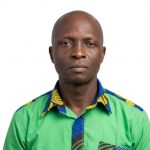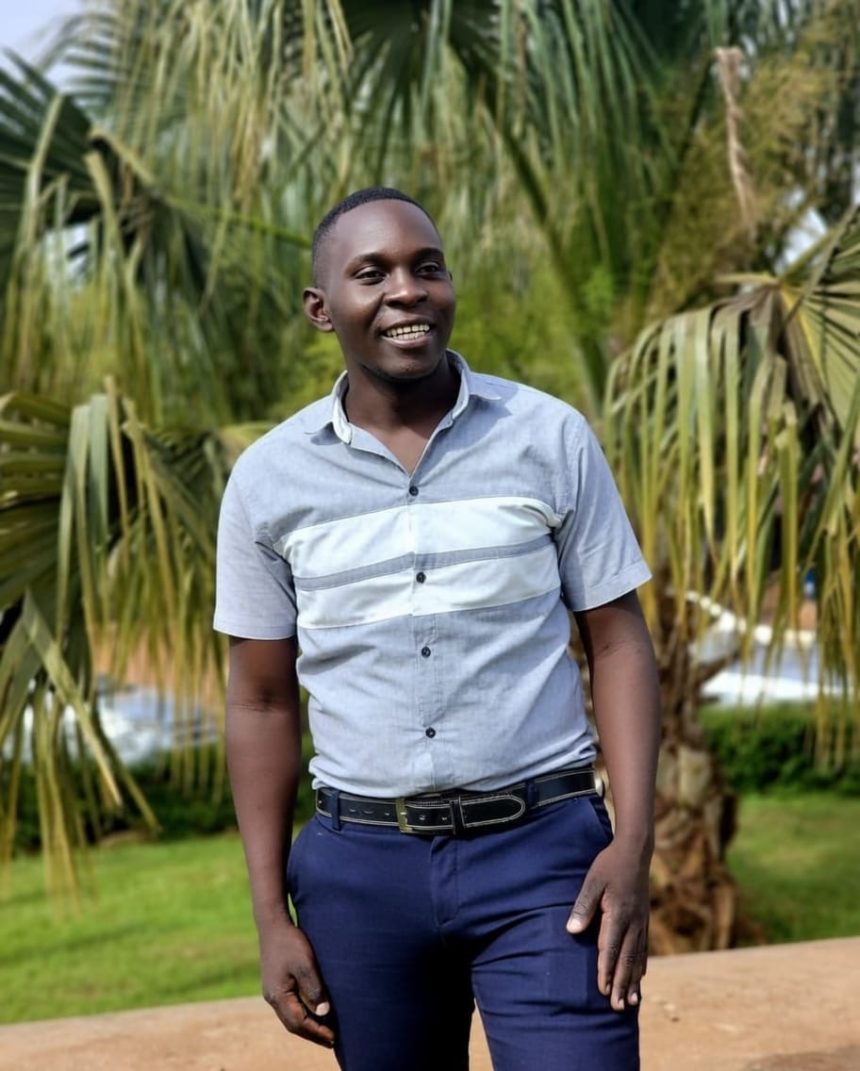
KAMPALA – Ugandan educator Ssali Badru has called for a more personalized approach to teaching, saying that no single teaching method can effectively meet the learning needs of every student.
Badru, a Chemistry and Mathematics teacher and a graduate of Makerere University, said while Uganda has made remarkable progress in expanding access to education, many learners still require additional academic support outside the traditional classroom to reach their full potential.
He explained that students have different learning abilities and absorb concepts at varying speeds. While some understand new topics after a single lesson, others require repeated explanations, extra practice and individual guidance before they gain confidence, particularly in subjects such as Mathematics and Chemistry.
“In a class of 80 students, it is impossible for a teacher to spend equal time with every learner,” Badru said. “That is why personalized learning has become increasingly important. Every child deserves an opportunity to ask questions until they fully understand.”
According to Badru, supplementary learning through online classes, small-group tutorials and structured revision sessions enables teachers to identify individual weaknesses and provide targeted support that is often difficult to achieve in large classroom settings.

He also noted that advancements in digital technology have expanded access to quality education by allowing students from different parts of Uganda to attend live virtual lessons and interact directly with experienced teachers without having to leave their homes.
Badru urged parents to view personalized academic support as an investment in their children’s future rather than as an indication of poor academic ability.

“Additional learning should not be seen as a sign of weakness,” he said. “It helps build confidence, strengthens understanding and improves long-term academic performance.”
He emphasized that the purpose of supplementary learning extends beyond helping students pass examinations. Instead, it should focus on developing critical thinking, analytical skills and a genuine appreciation for science.
As Uganda’s education sector continues to evolve, Badru believes that combining conventional classroom teaching with personalized learning approaches can significantly improve academic outcomes and better prepare young people for careers in science, technology and innovation.
Beyond his teaching responsibilities, Badru continues to mentor students, develop educational materials and advocate for practical, learner-centered science education aimed at equipping the next generation with the knowledge and skills needed to succeed in an increasingly competitive world.