A Kenyan High Court has rejected a petition by Rastafarians seeking the legal right to use cannabis (marijuana) as part of their religious practices, ruling that the community failed to prove that the herb was an essential requirement of their faith.
The ruling, delivered on Wednesday, ended a legal battle that began in 2021, when members of the Rastafari community moved to court arguing that banning cannabis use violated their constitutional right to freedom of religion.
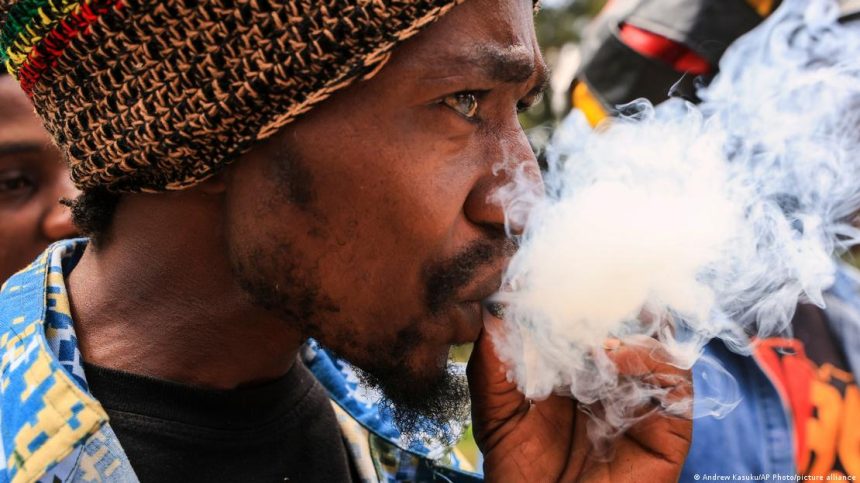
The Rastafarians told the court that marijuana is used as a sacrament during meditation and spiritual practices. However, the judge ruled that the evidence presented did not demonstrate that cannabis was a compulsory element of their worship.
According to the court, although witnesses agreed that cannabis is used within Rastafari practices, they differed on whether its use was a religious necessity or simply a preferred practice.
The decision means Rastafarians remain subject to Kenya’s drug laws, which criminalise possession of cannabis and carry penalties of up to 10 years in prison, alongside heavy fines.

One of the petitioners, Ras Dimo, 40, criticised the ruling, describing it as a continuation of what he called “colonial laws” targeting African spirituality.
“Rastaman just wants to burn this holy plant so that the incense can rise to the Almighty,” he said.

The community’s lawyer said they would appeal the decision, insisting that the matter touches on religious freedom and cultural rights.
Despite rejecting the petition, the judge noted that cannabis use is widespread in Kenya and questioned whether the country’s current drug laws require review.
The judge observed that cannabis use has existed in the country for decades and called for a national discussion on the future of cannabis regulation.
Rastafarianism, which originated in Jamaica in the 1930s, promotes spirituality, Pan-Africanism, and vegetarianism. The movement has gained followers in Kenya, particularly among young people.
The community also has historical links to Kenya through the tradition of wearing dreadlocks, a style associated with some members of the Mau Mau movement that fought British colonial rule during the 1950s and 1960s.
Rastafarians have previously accused police of using cannabis laws to harass members of their community. In 2019, a Kenyan court recognised aspects of Rastafari religious rights after ruling that a school had violated a student’s rights by expelling her over her dreadlocks.
Members of the faith hold former Ethiopian Emperor Haile Selassie in high spiritual regard, viewing him as a divine figure and a symbol of African liberation.