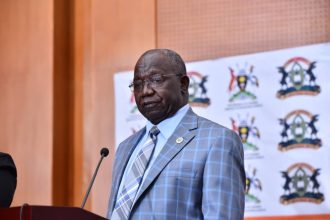
Uganda has officially launched a Cocoa Production Manual in a move to boost its cocoa industry, . The launch, which took place last week in Kampala, was attended by Fred Bwino Kyakulaga, the State Minister for Agriculture, Animal Industry, and Fisheries. The manual is designed to provide guidance to cocoa farmers, particularly in districts surrounding lakes Kyoga, Victoria, Edward, George, and Albert.
Minister Fred Bwino Kyakulaga highlighted the immense potential for cocoa growth in Uganda, emphasizing that cocoa is a predominantly African crop, with four African countries—Ivory Coast, Ghana, Nigeria, and Cameroon—occupying 70 percent of the global market. He called upon citizens in suitable regions to embrace cocoa cultivation.
The manual launch aims to address challenges faced by cocoa farmers, particularly the lack of proper guidance from extension workers. Minister Bwino urged extension workers to utilize the manual to accurately guide farmers through every stage of cocoa cultivation, from nursery beds to harvesting and post-harvest handling.
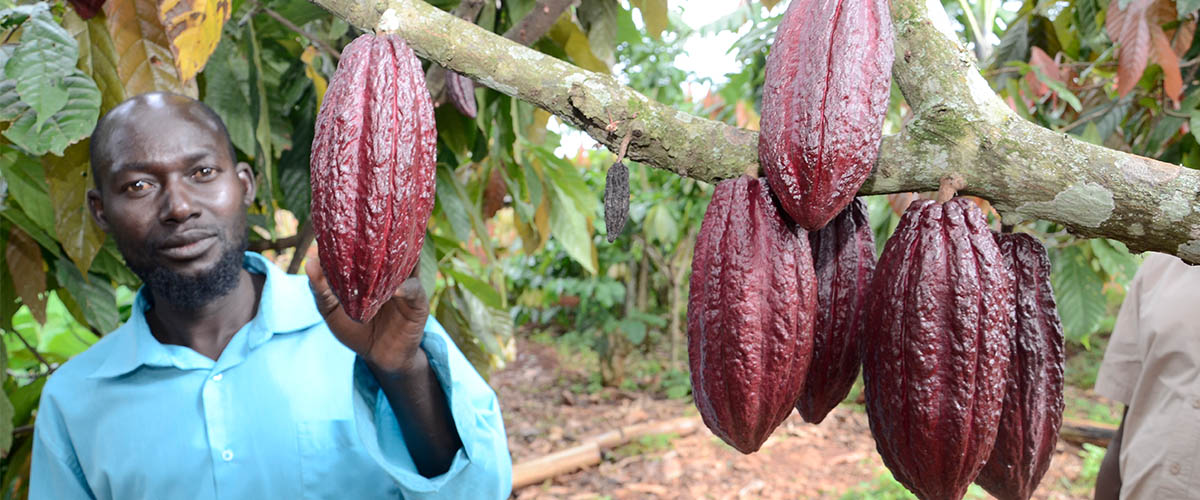
Global demand for cocoa presents an opportunity for Uganda to secure a fair share of the market, and the manual is seen as a tool to equip farmers and extension workers to meet international standards. The comprehensive guide covers various aspects of cocoa farming, including seed selection, nursery management, garden establishment, harvesting, post-harvest handling, and cost-benefit analysis.
Commitment to Responsible Cocoa Production

Kenneth Aedu, a project manager at Swisscontact, emphasized the importance of contextualized manuals for responsible cocoa production. The collaboration between the Ministry of Agriculture, Animal Industry, and Fisheries (MAAIF) and Swisscontact resulted in a document that addresses the specific needs of Ugandan cocoa farmers.
Aedu explained that the manual, developed over a year and a half, comprises five chapters tailored to the Ugandan context. It covers critical topics such as cost-benefit analysis, expected yields, and necessary requirements for successful cocoa farming. The manual aims to streamline information, offering consistent guidance to primary producers and stakeholders along the cocoa value chain.

Key Facts
- Cocoa is mainly grown in Ugandan districts such as Bundibugyo, Mukono, Kayunga, Jinja, Iganga, Mayuge, Buikwe, and Masindi.
- Cocoa thrives in rainy tropical areas with an annual average temperature of 30 – 32ºC and benefits from shades and annual rainfall between 1,500mm to 2,000mm.
The launch of the Cocoa Production Manual is anticipated to contribute to the growth of Uganda’s cocoa industry, improve productivity, enhance cocoa quality, boost farmers’ income, and increase export earnings for the country.