Flash Mob Robberies Shake Kampala: Security Challenges and Rising Concerns
At one of the major malls in Nsambya on Ggaba Road, Kampala City, victims used chairs and kitchenware to fend off robbers during a shocking attack in a recent incident . The assailants targeted restaurants, leaving people beaten, bloodied, and robbed of their belongings. The victims expressed surprise as they believed malls were safe, highlighting the lack of security personnel during the incident.
On New Year’s Day, middle-class individuals came face-to-face with “egaali” gangs for the first time. Egaali, an innocent Luganda word for a bicycle, has been adopted by criminals to describe flash mobs. Composed mainly of youth, these flash mobs swarm their victims on the streets, beating and robbing them of everything.
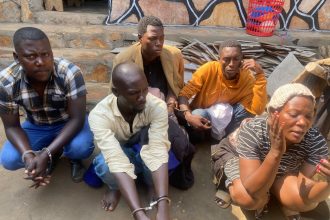
Kampala Metropolitan Police deputy spokesperson Luke Owoyesigyire reported that 300 people were arrested on suspicion of participating in flash mob crimes during the New Year. The worrying trend is that these flash mobs have become increasingly bold and organized, storming venues and events, and even carrying out daytime attacks against pedestrians.
Security agencies conducted intelligence-led operations in Kampala City last month, resulting in the arrest of 100 suspects and the recovery of suspected stolen items. Flash mob robberies are prevalent in specific locations, including the Northern Bypass, Namirembe Road, Rubaga Road, Clock Tower, Ring Road, and Sir Apollo Kaggwa Road. The gangs also target areas like bus and taxi parks, major events, and financial institutions where people carry valuables and cash.

However, the prosecution of flash mob robbery suspects is challenging for the state, as victims are often unavailable to testify in court. The offenses are usually minor, making them bailable, and the suspects are often released from jail.
A top investigator at Kampala Metropolitan Police expressed frustration, stating that although the criminals are known, they can’t be prosecuted without being caught in the act or without evidence of a crime. The investigator highlighted the difficulty in tracking down these criminals, as they blend into public spaces during the day and casually converge at spotted targets when about to commit a crime.

In 2009, President Museveni directed the police to stop using the ‘idle and disorderly’ offense, stating that it was a colonial law intended for Africans who had no work. The flash mobs, initially targeting victims randomly on foot, progress to more sophisticated attacks, including using motorcycles to target business people carrying large sums of money.
The rising threat of flash mob robberies calls for tough decisions from the government to address the issue effectively. Without decisive action, there are concerns that these criminal groups will mobilize larger forces.