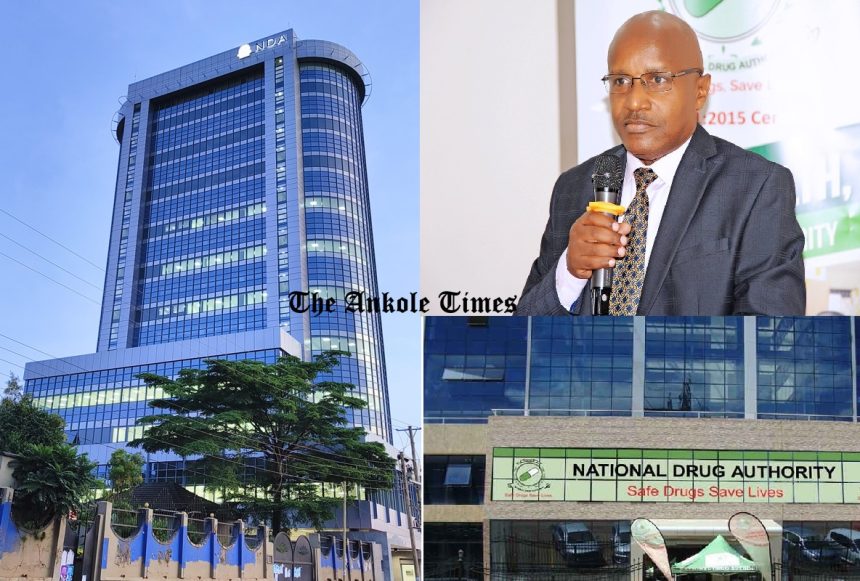
KAMPALA, Uganda — Billions of shillings remain unreconciled at the National Drug Authority (NDA), raising concerns over financial management and operational efficiency at the agency responsible for regulating medicines in Uganda.
At the center of the findings is UGX 4.532 billion in unclaimed deposits sitting idle in the Authority’s bank accounts. According to the Auditor General, the funds were not matched to respective clients due to missing client identification numbers and delays in conducting monthly reconciliations. Financial analysts note that failure to reconcile such funds reflects weaknesses in internal controls and exposes the institution to risks of mismanagement.
The Authority is also owed UGX 66.617 billion in receivables as of June 30, 2025, with nearly 95 percent of the amount outstanding for more than two years. The Ministry of Health accounts for the largest portion of this debt. The report warns that prolonged failure to recover receivables increases the risk of bad debts and places pressure on the Authority’s cash flow. At the same time, payables worth UGX 69.8 million have remained unsettled for over two years, exposing the agency to potential reputational and legal risks.
Despite having an approved budget of UGX 108.109 billion, the NDA utilized only about 75 percent of the available funds during the review period. Planned procurements worth UGX 13.742 billion were not implemented, resulting in delays in inspections, licensing, and marketing authorizations. Regional offices were also flagged for underperformance in compliance visits, inspections, and public sensitization activities, weakening regulatory enforcement.
Revenue collection also fell short of target. The Authority collected UGX 83.429 billion, representing 87 percent of the UGX 95.544 billion target. The shortfall was attributed to reduced internally generated revenue and declining donor funding. Additionally, the Strategic Plan was underfunded by 18.28 percent, limiting progress toward key objectives, including regulatory maturity, service delivery improvement, and stakeholder satisfaction.

The audit further noted that eight of the 12 floors of the NDA Tower remain vacant or underutilized. The internal audit department did not adequately address the utilization of non-current assets in its quarterly reviews, raising concerns about asset management and efficiency.
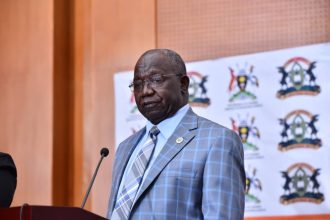
The Executive Secretary of the Authority, David Nahamya, has led the institution since 2020. His tenure has drawn increasing scrutiny as comparisons emerge with his predecessor, Donna Asiimwe Kusemererwa, who was widely credited with strengthening regulatory enforcement and professionalizing the Authority before her departure following a court ruling regarding the official designation of the office.

Governance experts argue that weaknesses within a national drug regulator extend beyond financial management. When an institution charged with safeguarding public health exhibits systemic operational and control gaps, the implications affect national safety and public confidence.
With billions of shillings unreconciled, receivables aging, procurement plans stalled, and core regulatory functions underperforming, attention is now shifting to the Ministry of Health and the Authority’s Board to determine what corrective measures will be taken.
The Auditor General’s findings have placed the National Drug Authority under renewed scrutiny, raising pressing questions about accountability, oversight, and the future direction of Uganda’s medicines regulator.