Johannesburg, South Africa — In welcoming the development of the World Artificial Intelligence Cooperation Organization (WAICO), the Technology Information Confederation Africa (TICON) says the new entity could assist in the development of AI expertise as well as deepen ties with China.
Representatives from 29 countries, including China, Russia, Belarus, Serbia, Brazil, Cuba, Venezuela, Kazakhstan, Laos, Pakistan and Indonesia, established WAICO to promote the safe, fair and orderly development of AI for the benefit of humanity.
The independent intergovernmental organization is set to be guided by the principles of the United Nations Charter and is founded on extensive consultation, joint contribution and shared benefits, while adopting a people-centered approach.
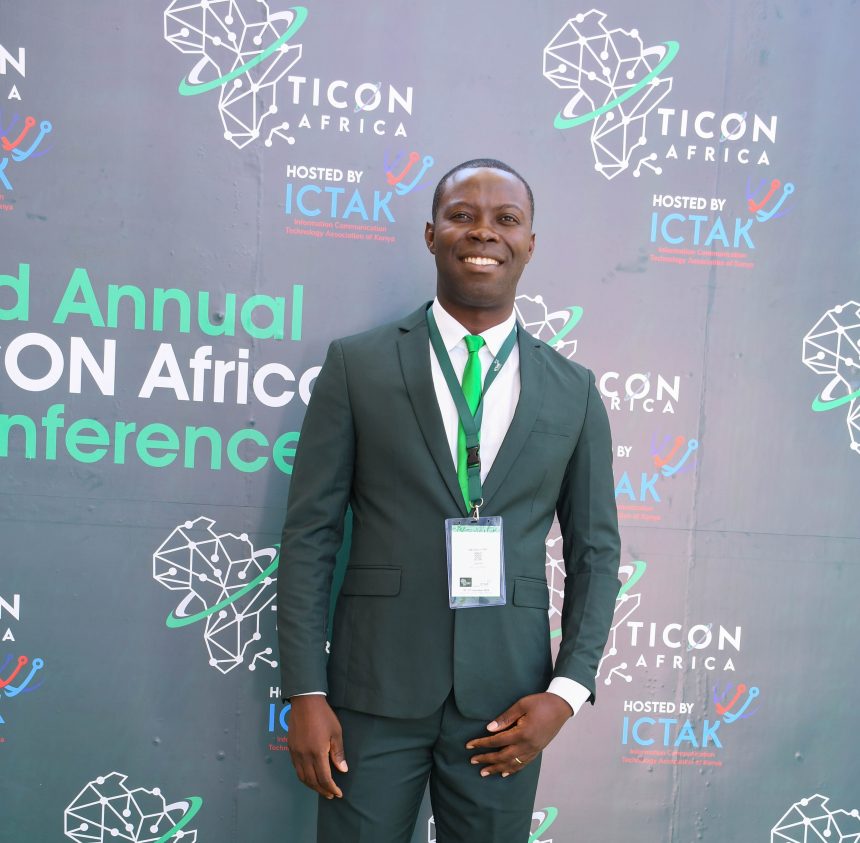
“As a Pan-African nonprofit organization that unites technology professionals, drives digital skills development, and sets ICT practice standards across the continent, we believe that Africa can benefit from increased technical co-operation with other developing countries,” says the President of TICON Africa, Mr. David Gowu.
WAICO aims to serve as a platform for international cooperation on AI governance, capacity building, technical cooperation and dialogue, with a particular focus on developing countries and the Global South. Its goal of bridging the AI divide by helping countries build AI innovation, application and governance capabilities aligns with TICON’s vision, says Gowu.

So far, the countries that have joined the organization from Africa include Algeria, Cameroon, the Democratic Republic of Congo, Ethiopia, Kenya, Lesotho, Mozambique, Senegal, South Africa, and Zambia.
“The organization opens a door for developing countries to access AI expertise, technical assistance and international partnerships at a time when governments are looking to the technology to grow their economies and improve public services.”

Gowu adds that the establishment of an international AI cooperation body with a specific focus on developing countries reflects the growing recognition that AI requires stronger international co-ordination, supported by effective national and regional governance frameworks rather than fragmented national approaches.
China and Africa have a deep and long relationship, with China having recently extended zero-tariff treatment to all 53 African countries with diplomatic relations with Beijing, covering 100% of tariff lines to boost imports from Africa, deepen economic cooperation and support African industrialization and exports.
The policy builds on China’s earlier initiative, which had already granted duty-free access to the least developed countries (LDCs), expanding those benefits to 20 additional African countries that are not classified as LDCs, such as South Africa, Botswana, Namibia and Morocco.
“Africa can leverage ties with the organization to ensure the continent is not simply a consumer of AI policies developed elsewhere, but an active contributor to the standards, ethics and technical frameworks that will shape the future digital economy,” says Gowu.
“Through collaboration, skills development and common standards, African ICT professionals have an important role to play in ensuring AI supports inclusive and sustainable development across the continent.”