The Electoral Commission (EC) has issued a stern warning to political aspirants and parties, stating that candidates endorsed during internal primaries risk disqualification from the 2026 general elections if they fail to meet national eligibility requirements.
“We will subject all candidates to fresh vetting before they can participate in the national elections,” the EC said in a statement.
“Party endorsement alone will not guarantee nomination.”
The warning comes as political parties begin wrapping up their internal selection processes, many of which have already faced allegations of corruption, manipulation, and the endorsement of candidates who do not meet statutory requirements.

In the ruling National Resistance Movement (NRM), some aspirants have been accused of bypassing internal vetting to secure party backing. One such case involves allegations that a youth MP aspirant, only identified as Naku, is over the age of 30, which would make them ineligible under the law.
“We have evidence that Naku is above the age of 30,” a group of disgruntled NRM members claimed.
NRM’s Electoral Commission Chairperson, Dr. Tanga Odoi, confirmed that he had received the complaints.
“I acknowledge receipt of their complaints,” he stated.
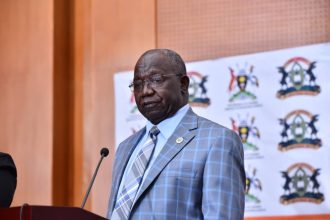
Speaking on behalf of the national Electoral Commission, spokesperson Julius Mucunguzi clarified that national laws—not internal party rules—will govern the final nomination process.
“When EC nominates, we will only consider the national laws guiding each category of elections and not party guidelines,” he said.
According to the Parliamentary Elections Act, 2001, parliamentary aspirants must:

-
Be Ugandan citizens
-
Be registered voters
-
Hold at least an Advanced Level (A-Level) certificate or its equivalent
For Youth MP positions, aspirants must also:
-
Be between 18 and 30 years old
-
Be registered voters in the relevant region
Legal expert Erias Tumwebaze warned that forging academic credentials or falsifying other eligibility documents is a criminal offense under the law.
“It’s an offense under the Parliamentary Elections Act, attracting up to three months’ imprisonment if courts find that you have forged electoral requirements,” he explained.
With less than two years to the 2026 elections, the Electoral Commission and legal experts are sending a clear message: compliance with national law—not party endorsement—will determine who makes it onto the ballot.