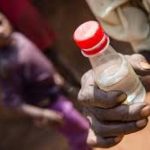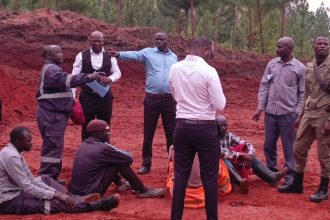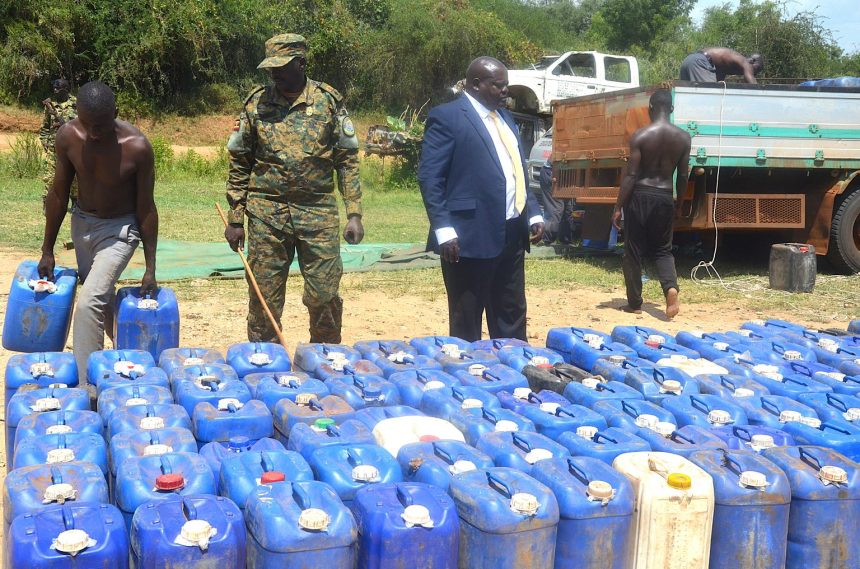
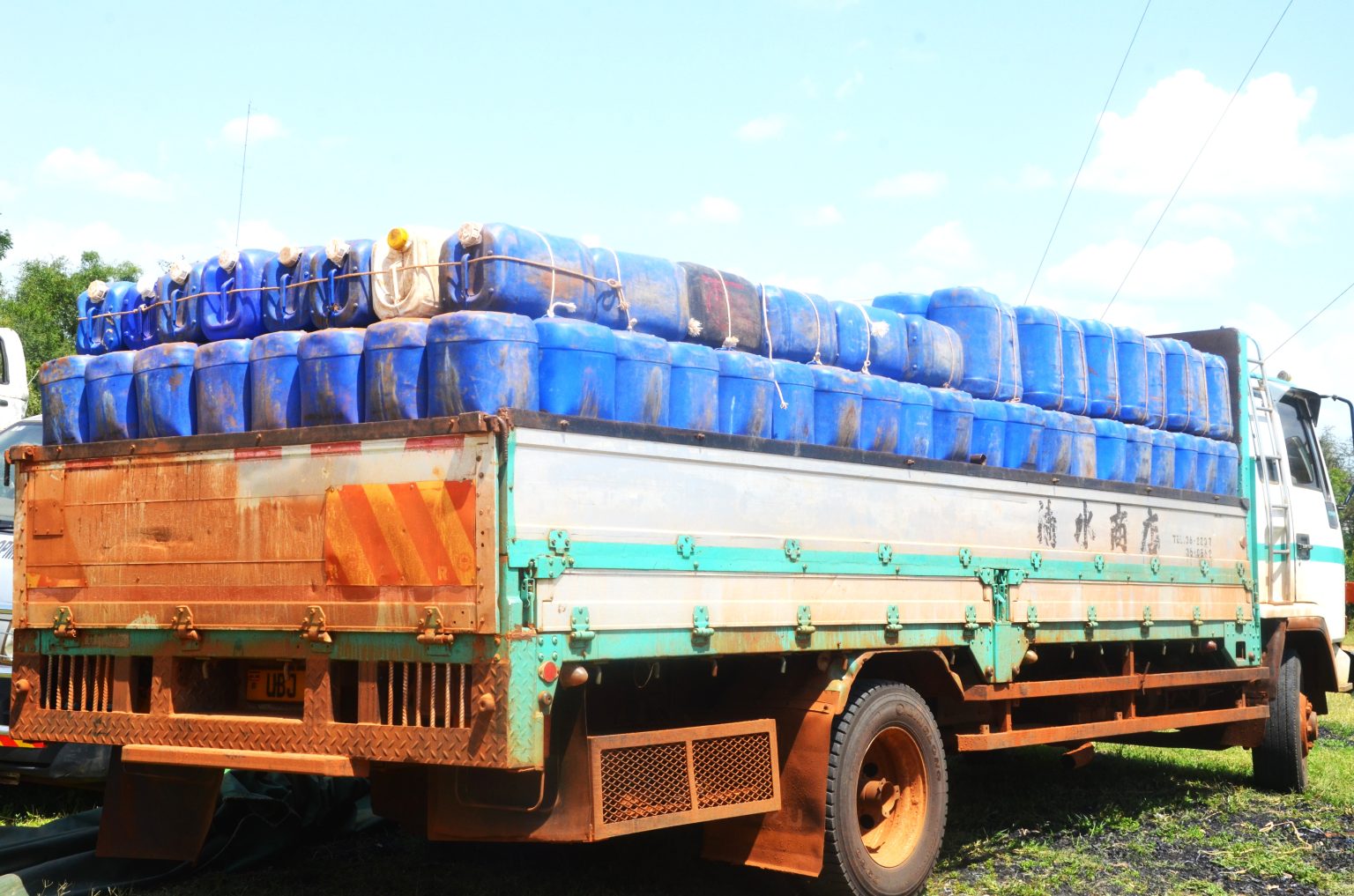
Kotido, Uganda – In the early hours of a quiet Friday morning, a rumble on the Kotido-Abim highway set in motion a story that now reverberates far beyond checkpoint barriers. A vehicle—an Isuzu lorry packed with 445 jerrycans of illicit crude waragi and seven men—was intercepted at the Lokitelaebu checkpoint. The discovery was massive, but it wasn’t just the alcohol that sent shockwaves across Karamoja—it was how the vehicle had managed to evade every other checkpoint along the route.
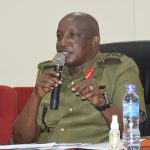
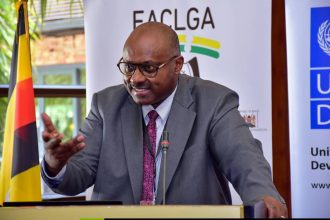
By sunrise, Kotido Resident District Commissioner (RDC) Charles Ichogor was issuing orders: all army officers manning the checkpoints that night were to be arrested and investigated. For Ichogor, the incident wasn’t an isolated breach; it was proof of a breakdown in integrity.
“Some of these operations have become commercial ventures for those entrusted to protect us,” he told our reporter from the grounds of Kotido Central Police Station. “This is not only illegal—it is a moral crisis.”
The Presidential Executive Order No. 3, signed in 2023, banned the production, sale, transport, and consumption of crude waragi in the Karamoja sub-region. The ban sought to curb rising alcoholism, health problems, and the social instability tied to the drink’s cheap accessibility. For many locals, waragi represents both a toxic escape and a symbol of unchecked exploitation—an addiction fed by poverty and impunity.
Yet despite the ban, waragi continues to flow through the region like contraband currency. Now, attention has turned inward: to the security personnel charged with enforcing the law, some of whom may be selling out their oath at a price.

The System That Failed
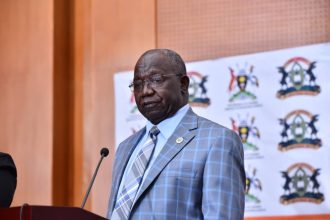
The lorry in question, bearing registration number UBJ 823M and en route from Lira, was seized at Lokitelaebu—ironically, the final checkpoint before entering Kotido town. That it passed multiple others raised troubling questions. Lt. Col. Emmy Kafureka, commander of the 43rd Battalion, acknowledged that “if officers are found to have taken bribes or facilitated the vehicle’s passage, they will face the full force of military and civilian justice.”

The arrested suspects—Tonny Abol, George Opio, Thomas Agol, Daniel Okello, Hillary Emuna, Joshua Ogwang, and Elly Odokori—remain in custody. Their waragi cargo and the vehicle itself are now key exhibits in the ongoing investigation.
Still, for many in Kotido, this isn’t just a police matter—it’s a watershed moment.
“This waragi didn’t sneak through,” said Esther Atim, a women’s rights activist. “It walked in under the nose of our protectors. That demands more than arrests—it demands reflection, reform, and accountability.”
Alcohol, Abuse, and What Comes Next
Crude waragi isn’t just illegal—it’s lethal. With alcohol content often exceeding 40%, it’s been linked to liver failure, community violence, and teen addiction. In Karamoja’s pastoralist communities, where access to medical care is already precarious, the impact is compounded.
Local leaders argue that enforcement must go beyond reactionary arrests and checkpoints. They say it’s time for solution-based change.
Key proposals gaining ground include:
- Security Sector Reform: Rotating security personnel more frequently to avoid long-term collusion; introducing third-party audits at checkpoints; and improving welfare for officers to reduce financial vulnerability.
- Community Reporting Structures: Establishing anonymous hotlines and whistleblower protections to empower citizens to report suspected corruption or smuggling activities.
- Public Health Campaigns: Partnering with churches, cultural leaders, and youth groups to raise awareness about waragi’s effects and promote local alternatives for stress relief and social interaction.
- Economic Empowerment: Providing viable livelihoods—especially for young men vulnerable to recruitment into smuggling rings—through vocational training, agricultural cooperatives, and microfinance support.
A Moment to Rebuild Trust
In the quiet courtyard of Kotido Central Police Station, the impounded lorry sits idle—a symbol of both shame and opportunity. For RDC Ichogor, the road ahead is clear: “This region cannot heal if the gatekeepers are silent partners in its undoing. Let this be a turning point—not just for security reform, but for restoring public trust in governance.”
Whether this incident becomes a footnote or a fulcrum for change depends on what comes next—not just from officials, but from the communities who live with the consequences of every decision made at those checkpoints.