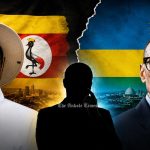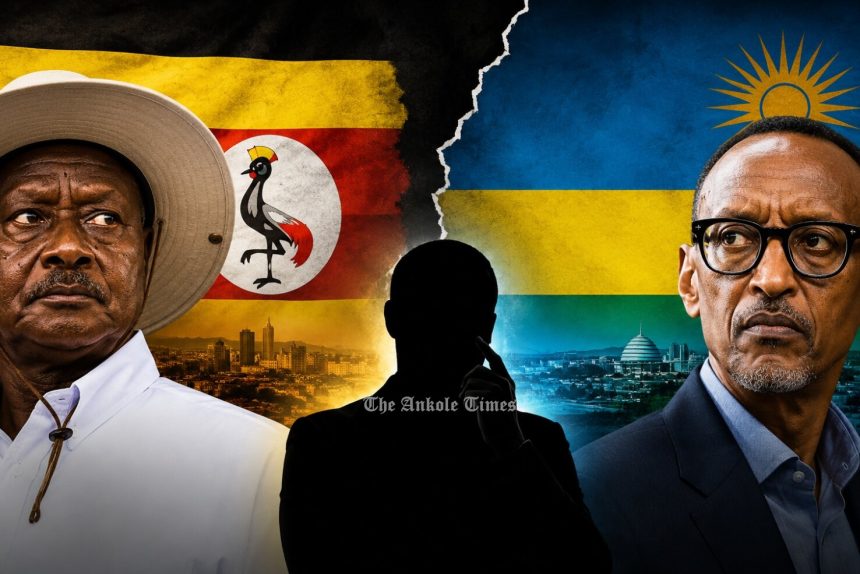

The obvious question is why now?
Many Ugandans with Rwandan heritage have been here for generations. They’re traders, professionals, business owners, public servants. They’ve woven themselves into the country’s economy and society. In practice, they’re simply part of Uganda. Yet every so often, their right to belong becomes a political question again.
Instead of assuming the answer, it’s worth asking something more basic like, who gains when a long-settled community suddenly becomes politically contentious?
History offers a pattern. Identity politics tend to be strategic. Across different times and places, politicians have weaponized ethnic, religious or national identity to rally support or to distract from harder problems like inequality, joblessness, corruption and failed governance.
There’s an interesting parallel in how some states treat their diaspora communities abroad. Critics of Gulf monarchies, for instance, have pointed out that politically engaged Arab and Muslim diaspora in Europe and North America can be viewed as security threats – precisely because they’re exposed to political systems based on civic participation, accountability and pluralism. These debates are contested, but they reveal something real about international politics. States can become uneasy when their own people thrive outside their control and develop independent trajectories.
The same dynamics might be worth examining in the Great Lakes region.
Ugandans of Rwandan descent have built their lives within Uganda’s system while maintaining cultural and family ties across the border. Many have done very well economically and are socially embedded. Logically, these cross-border communities should be bridges facilitating trade, cooperation and regional integration.

But cross-border identities become politically fraught when questions of influence, security and regional power remain unsettled. This isn’t unique to Uganda and Rwanda. Look at eastern Congo for instance; decades of disputes over citizenship, identity and regional loyalty have repeatedly shown how communities with ties across borders get pulled into larger political and security conflicts.
These comparisons aren’t meant to equate different contexts. Rather, they point to a straightforward political reality when identity and regional politics intersect, competing interests inevitably follow.
So when anti-Rwandan sentiment rises in Uganda, it’s worth asking the hard questions. What does stirring up suspicion about a long-integrated community actually accomplish? Does it strengthen the country or does it sow new social and political tensions?
In Uganda right now, these conversations have also been shaped by prominent voices, academics, journalists and public figures who’ve made strong interventions on nationality, identity and belonging. Their involvement reflects a broader national conversation that’s becoming increasingly visible.
To be direct, this isn’t about blaming any single person or claiming there’s a hidden conspiracy. It’s about incentives and how politics actually works. Narratives don’t always stick because they’re true. They persist because they’re useful to someone whether deliberately or not.
Uganda has historically managed its diversity well, accommodating communities with complicated histories and mixed identities. Disrupting that balance rarely ends cleanly. The fallout usually spreads beyond one group and in the end, the question isn’t whether Ugandans of Rwandan descent belong here. Most of these families have already answered that through decades of living this life. The real question is why their belonging gets contested at particular political moments and what someone stands to gain from that contestation.
When you’re working through these kinds of arguments, the principles that matter most are;
• Demanding evidence and
• Carefully examining incentives.