
In Rubindi, Mbarara District, St. Andrew’s Secondary School is undergoing a quiet but powerful transformation through the adoption of clean cooking technologies, significantly reducing costs and improving health conditions for staff and learners.
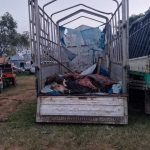
For years, the school relied heavily on traditional cookstoves and firewood to prepare three meals a day. The kitchen environment was harsh filled with thick smoke, soot-stained walls, and poorly ventilated spaces that exposed cooks to constant illness and discomfort. The school also depended on cutting trees from its own woodlot, contributing to environmental degradation.
In response, the school administration sought a sustainable alternative and partnered with Ebenezer Energy Saving Stoves to install improved energy-saving cooking systems. The new setup includes inbuilt stoves and a reconstructed kitchen designed to reduce smoke, heat, and firewood consumption.
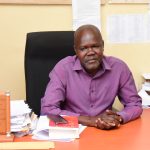
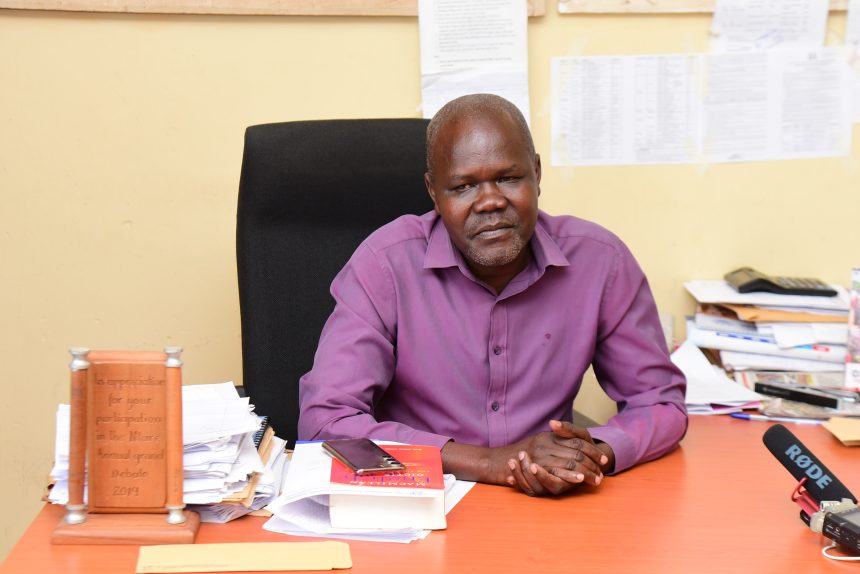
According to Mr. Robert Bayo, the Head Teacher of St. Andrew’s Secondary School Rubindi, the shift has resulted in major cost reductions.
“Before this method, we used 15 lorries of firewood per term “about 45 lorries a year” at UGX 400,000 per lorry. This was very expensive and unhealthy for our staff. Now we have reduced consumption to only 3 lorries this term, and we project about 6 lorries per term,” he explained.

The school estimates that it is saving up to UGX 15 million annually, funds that can now be redirected to other development priorities.
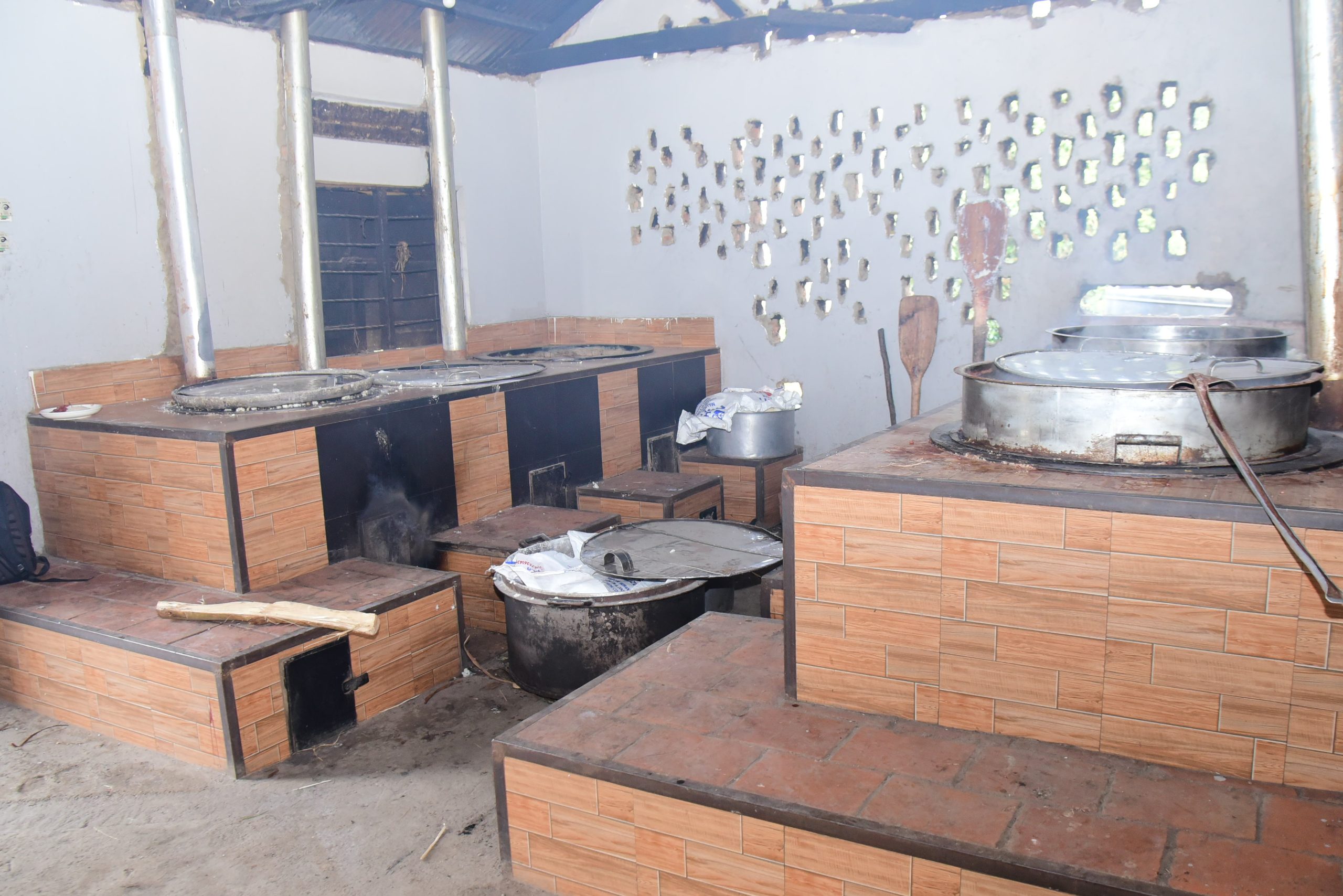
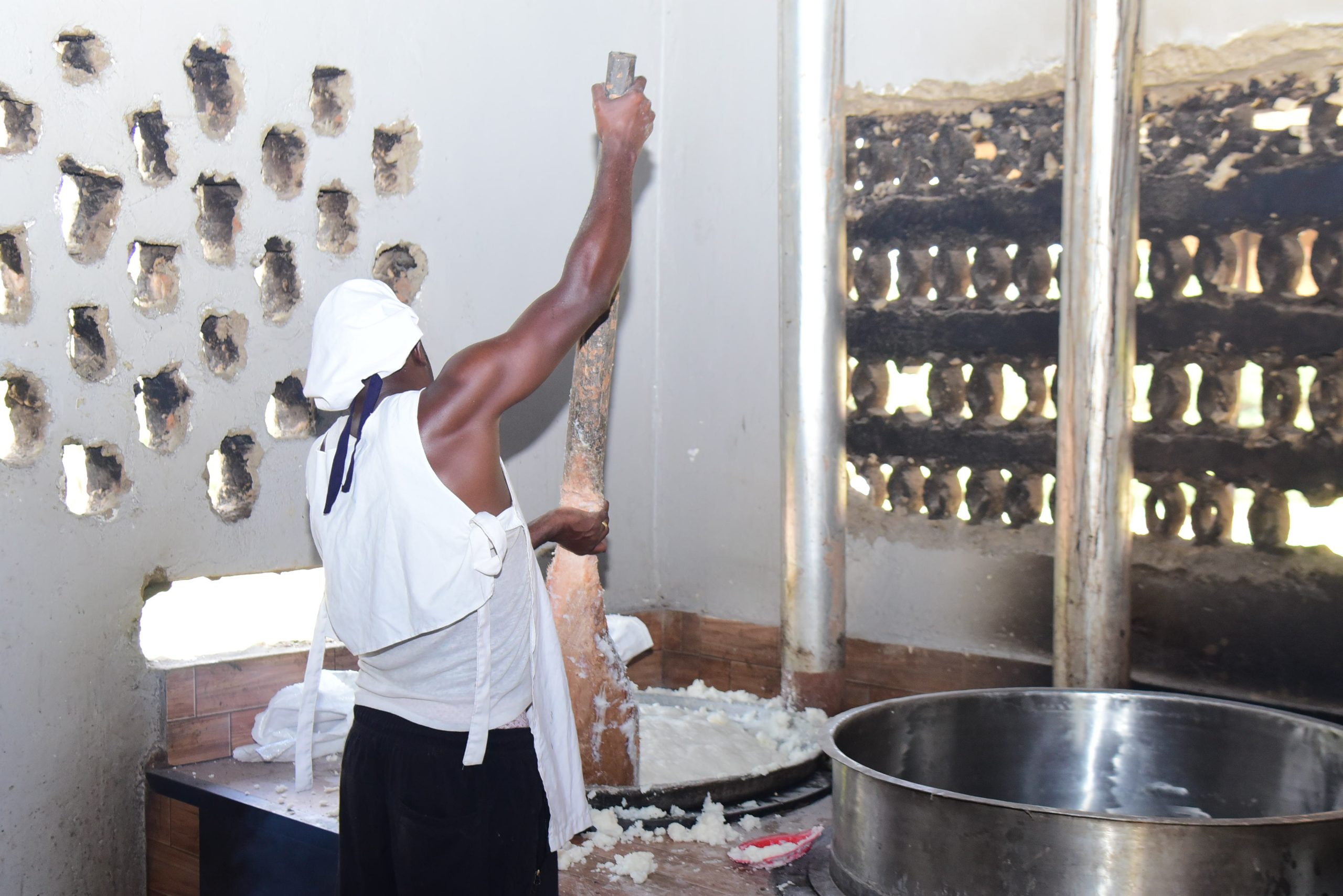
The improved kitchen design has significantly reduced smoke exposure and improved working conditions for cooks. The reduction in firewood use has also eased pressure on the school’s tree resources, allowing the remaining forest area to be preserved and used for other purposes such as furniture production.

Mr. Bayo added that the school hopes to eventually eliminate firewood use completely if further support is secured.
Mr. Timothy, the Chairperson of the Parent Teacher Association (PTA), noted that the initiative has been widely supported by parents due to its financial and environmental benefits.
He said the savings from firewood purchases can now be invested in other school priorities, while reduced dependence on wood cutting is helping conserve the school’s natural resources.
The transformation was made possible through the Results-Based Financing (RBF) Program, a partnership involving Equity Bank Uganda, Energising Development (EnDev) Uganda, and GIZ.
According to Virginia Semakula, Manager for Energy, Environment and Climate Change at Equity Bank Uganda, the initiative is accelerating access to clean energy solutions across Uganda.
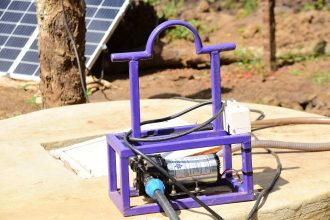
“Through our partnership with GIZ, we have expanded access to clean cooking systems and solar technologies. Schools like St. Andrews are now reducing dependence on firewood, charcoal, and kerosene, while improving efficiency and lowering costs,” she said.
In Rubindi and surrounding communities, the adoption of clean cooking technologies is gradually gaining momentum, with neighboring schools also exploring similar systems. The shift is contributing to environmental conservation and improved public health outcomes.