Moroto, Uganda — Investing in Karamoja was something many people had never considered. Many had a negative impression of the region, even those who worked there.
“We thank President Museveni for his efforts in convincing Chinese investors to set up a cement factory in Karamoja.”
As we speak, people who previously had a negative perception of Karamoja, particularly Moroto, are now rushing to invest in the region.
So far, the factory has continued receiving applications from hundreds of people both within and outside Karamoja, even before the factory administration has officially called for job applications.
Moses Lomongin, one of the casual workers at the factory, said the project has provided employment opportunities for many reformed cattle rustlers.

He said some have bought plots of land and even built houses using money earned from working at the factory.
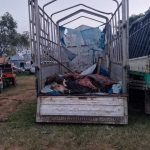
The Soroti–Moroto road, which used to be deserted after 8:00 p.m., is now busy throughout the day and night with many trucks transporting clinker.

Pascal Longole, one of the locals in Moroto, said that every day they see many new visitors arriving in Moroto, with many of them looking for land to buy and invest in.
“Moroto is now becoming a hot cake, and we are ready for development,” he said.
John Nangiro, one of the elders in Nadunget, said the price of land in Moroto, especially along major roads, has increased significantly.
“Karamoja is now open. It is not like the old days when people did not even want to step into Karamoja because of insecurity. As we speak right now, Karamoja is more peaceful than Kampala,” he said.
Ambrose Byona, the co-founder of the factory, called upon other investors to come to Karamoja, saying the region is no longer what it used to be.
“We have opened Karamoja to every investor. We must develop Karamoja,” he said.
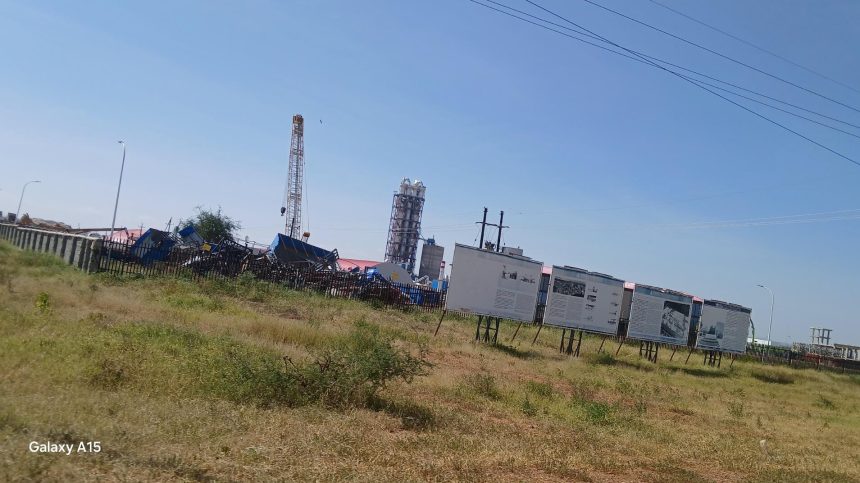
The factory, which is the first of its kind in Karamoja in living memory, has now started producing 6,000 tonnes of clinker daily in its first phase.