
It has been found that for almost four years, the Uganda Wildlife Authority (UWA) continued to guard national parks, wildlife reserves and some of the country’s most valuable tourism assets while operating with an ever-shrinking staff.
Behind the scenes, conservation officers retired, resigned (for various reasons) and left UWA, but few, if any, were replaced as a government recruitment freeze took effect across public institutions. Vacancies piled up quietly, leaving UWA understaffed as it struggled to maintain security, protect wildlife and support Uganda’s growing tourism industry.
The Akole Times’ findings indicate that the staffing crisis extended far beyond wildlife rangers. Almost every department felt the impact, forcing UWA to deliver the same mandate with fewer personnel year after year.
Reliable sources familiar with UWA’s internal operations say the authority’s workforce currently stands at about 3,000 employees, a number insiders say has been insufficient to match the expanding responsibilities of managing Uganda’s protected areas.
The pressure became even greater after UWA decentralised several key services. Instead of relying on a central office for technical support, individual conservation areas now require their own teams of veterinary officers, procurement specialists, human resource personnel and other professionals to support daily operations alongside chief wardens and field staff.

While the decentralisation policy has improved decision-making closer to the parks, it has also significantly increased demand for personnel at a time when recruitment had effectively stalled.
The operational strain was most visible in field operations.

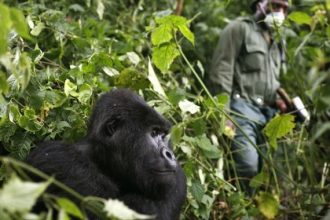
Conservation areas require regular patrols to fight poaching, prevent illegal grazing, combat encroachment, respond to human-wildlife conflict and guarantee the safety of both wildlife and tourists.
Sources involved in conservation activities say maintaining these responsibilities became increasingly difficult as staffing levels declined while operational demands continued to grow.
The challenge has been compounded by the changing nature of wildlife crime.
Illegal wildlife trafficking and organised poaching networks have become more sophisticated over the years, forcing conservation agencies to rely on both technology and adequate manpower to protect protected areas effectively.
Without sufficient personnel, security experts argue, even advanced surveillance systems can’t fully compensate for reduced patrol presence on the ground.
It is against this backdrop that UWA has now moved to recruit 1,300 new wildlife rangers.
Rather than representing an ordinary expansion of the workforce, the recruitment is widely viewed as an effort to restore operational capacity lost during years when recruitment remained largely suspended.
Once completed, the exercise will increase UWA’s workforce from about 3,000 employees to nearly 4,300. Even so, insiders caution that the additional personnel are largely intended to fill gaps created by years of attrition rather than create the required capacity. The recruitment will also carry significant financial implications.
According to sources, UWA already spends approximately UGX 2.5 billion every month on salaries, and now bringing in 1,300 additional staff will substantially increase the authority’s wage bill at a time when conservation costs continue to rise.
The authority is expected to deploy the new recruits mainly to strengthen anti-poaching operations, improve tourist security and reinforce routine patrols across protected areas. Applicants are required to possess at least a Uganda Certificate of Education qualification and must undergo comprehensive security screening before joining the force.
While the recruitment is an important step, analysts caution that staffing shortages accumulated over the years can’t be solved overnight.
The unfolding recruitment exercise therefore tells a larger story than the hiring of 1,300 rangers, underscoring how years of delayed recruitment have weakened operational capacity at UWA and the scale of the effort now required to rebuild it.