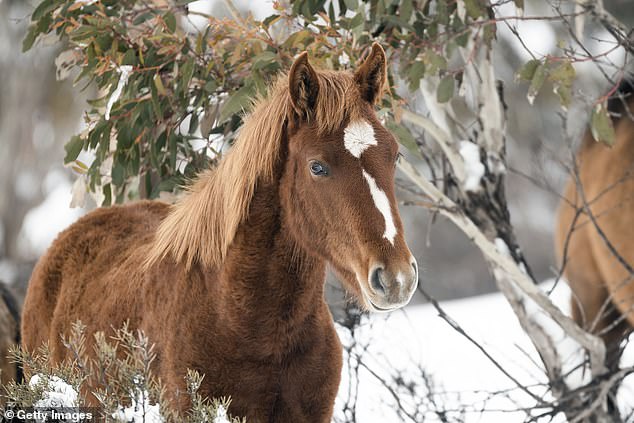
Australia has given the green light to the aerial shooting of wild horses, also known as “brumbies,” in Kosciuszko National Park. The decision comes as authorities consider this practice “essential” to safeguard native wildlife.
In Kosciuszko National Park, an estimated 19,000 wild horses are currently roaming, a number that has surged by a third over the last two years. The authorities in the state of New South Wales have set a target to reduce the brumby population to 3,000 by mid-2027.
While the national park already employs trapping, re-homing, and ground-based shooting methods to manage the wild horse population, the state’s environment minister, Penny Sharpe, has emphasized that these measures are insufficient. Sharpe stressed the importance of taking action to prevent the extinction of threatened native species and to protect the ecosystem as a whole.
Aerial shooting from helicopters was briefly used in 2000, resulting in the shooting of over 600 wild horses in just three days. However, due to a strong public backlash, this method was subsequently banned.
Critics of culling argue that brumbies are a vital part of Australia’s national identity, representing a nostalgic connection to the days of hardworking stockmen and women in the rugged Snowy Mountains. These horses are believed to have descended from animals that escaped or were abandoned in the early 1800s and are celebrated in Australian culture.

On the other hand, conservationists contend that wild horses damage the environment by grazing on native plants, trampling the landscape, causing soil erosion, contaminating water sources, and collapsing wildlife burrows. These actions negatively impact the unique ecosystems of the Australian Alps, including numerous threatened flora and fauna species.
Australia is home to an estimated 400,000 feral horses, and the decision to resume aerial shooting has been welcomed by conservation groups. The brumby population in New South Wales is increasing at a rate of 15 to 18 percent annually, outpacing the removal rate through current methods. Conservationists argue that action is necessary to protect the delicate Alpine ecosystem.