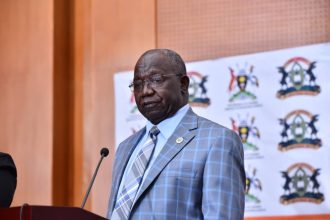
Mbale City, Uganda — Leaders seeking official recognition of the Bachope and Sebei cultural institutions have turned to the Bugisu Cultural Institution for guidance on how to secure government gazettement, according to the institution’s spokesperson, Steven Masiga.
Masiga confirmed that representatives of both cultural groups recently approached the Bugisu Cultural Institution for advice on the legal and constitutional procedures required to have their cultural leaders officially recognized by the Government of Uganda.
Speaking to this publication, Masiga said the institution welcomes communities seeking guidance and encourages them to follow the provisions of Article 246 of the Constitution and the Traditional or Cultural Leaders Act, 2011, which outline the process for recognizing cultural institutions.
“We do not incite or reject communities that approach us for guidance. We advise them to follow the appropriate legal procedures and their own community structures to achieve gazettement,” Masiga said.
Masiga, who describes himself as a cultural and legal historian, also explained the historical links between the Bachope people and the Bunyoro Kingdom. He said that after the departure of the Bachwezi rulers, elders sought a successor from among the Luo people in northern Uganda.

According to his account, Prince Rukidi Mpunga was brought across the Nile to assume leadership in Bunyoro by a delegation that eventually settled in what are now Masindi and Kiryandongo districts. Masiga said the descendants of that delegation are today’s Bachope people, who remained to support the new king rather than returning to their homeland.
The Bachope community maintains that it has a distinct cultural identity despite years of interaction and intermarriage with the Banyoro. Community leaders argue that their culture is gradually being eroded and are appealing to the government to formally recognize their cultural institution.

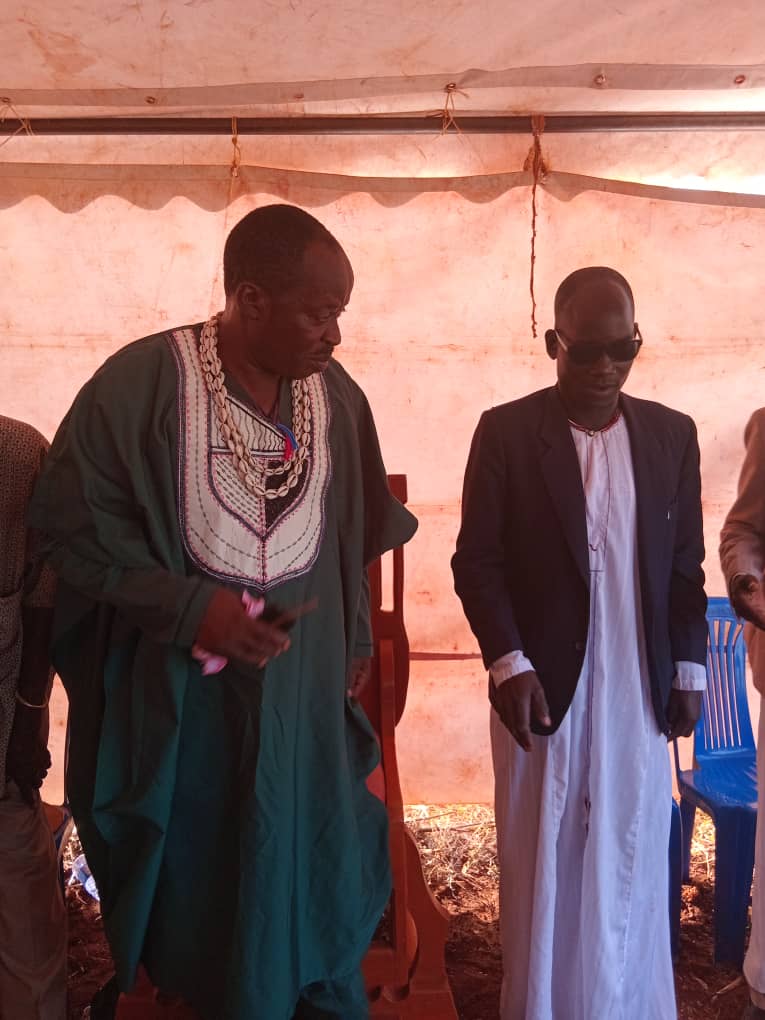
The Bachope currently recognize His Highness David Odongo Dayamu, also known as the Dabanda, as their cultural leader and are awaiting government gazettement.
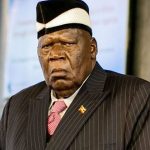
Meanwhile, His Highness Peter Swilke, who identifies himself as the King of Sebei, is also urging the government to officially gazette his leadership.
Swilke noted that although Sebei had a cultural leader in the 1960s, the institution has not been officially restored since the re-establishment of traditional and cultural institutions in the mid-1990s due to competing claimants to the throne.
A former Uganda Broadcasting Corporation (UBC) news anchor, Swilke said he was elected by clan chairpersons and believes he is the legitimate cultural leader of the Sabiny community.
He expressed concern that Sabiny cultural practices are rapidly disappearing, citing the community’s reliance on traditional circumcisers from Bugisu despite circumcision being a long-standing practice in Sebei.
Masiga explained that historically, leadership among the Sabiny—who inhabit the present-day districts of Kapchorwa, Kween, and Bukwo—was determined through a gerontocratic system in which councils of elders selected cultural leaders.
He emphasized that Uganda’s Constitution allows every community to establish and have its cultural institution recognized, provided the required legal procedures are followed.
Masiga said he remains willing to offer guidance to any community pursuing cultural recognition, free of charge.
“It is better to guide communities through the proper legal process than to leave them uncertain about how to achieve recognition,” he said.
The push by both the Bachope and Sebei communities reflects growing efforts by various cultural groups across Uganda to preserve their heritage through officially recognized traditional institutions.