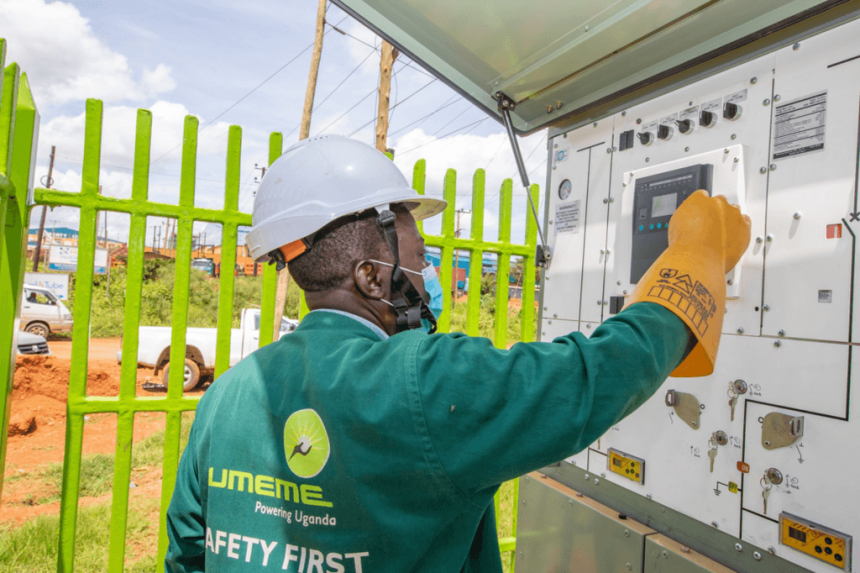
Uganda’s controversial buyout of power distributor Umeme concluded Friday with a $118 million payment, sparking heated debate over the deal’s value and transparency. The remaining $9 million will follow once Umeme finishes ongoing projects, bringing the total to $127 million—far below Parliament’s initial $190 million approval.
UEDCL Spokesperson Jonan Kizza confirmed the handover will occur Monday, March 31, 2025, ending Umeme’s 20-year monopoly.
Critics, however, are demanding answers. Hon. Mubarak Munyagwa slammed the payout, arguing the funds could build “four Mulago hospitals” instead of compensating a company that “profited heavily from Ugandans.”
MP Hon. Barnabas Tinkasiimire blasted lawmakers for rubber-stamping the deal, accusing them of acting as “government mercenaries” by failing to scrutinize what exactly Uganda is paying for: “The wires, the buildings, or the meters?”
Kizza defended the figure, clarifying that the $190 million approved by Parliament was a “maximum estimate,” while the final $127 million reflects negotiated terms. He emphasized that Umeme’s assets, including infrastructure, will fully revert to the state-owned UEDCL after the handover.

Yet skepticism persists. Analysts note that much of Umeme’s equipment, like poles and cables, was already state-owned, leased to the firm under a 2005 concession. Critics argue Uganda is effectively paying to reclaim its own infrastructure. Meanwhile, the government insists the buyout will lower electricity costs by cutting profit-driven middlemen.
As Umeme exits at midnight on March 31, the deal’s legacy remains split: a fiscal victory for some, a wasteful handout to others. With Uganda’s healthcare and infrastructure gaps widening, the question lingers—could this millions have powered more than just the grid?