HOIMA – Allegations of corruption and extortion within the implementation of the Parish Development Model (PDM) have emerged as a major concern in Bunyoro Sub-region, with residents claiming that many intended beneficiaries are being denied full access to government funds.
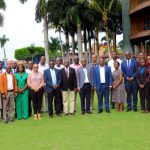
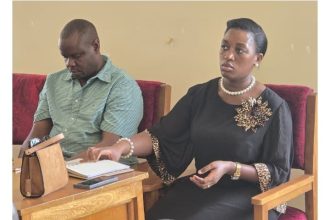
The concerns were raised during an evaluation meeting following the one-week Anti-Corruption Caravan 2026, held at Kabalega Hotel in Hoima City. The campaign, organized by ActionAid Uganda in partnership with the Mid-Western Region Anti-Corruption Coalition (MIRAC) and the Inspectorate of Government (IGG), sought to empower citizens to demand accountability and improve public service delivery.
Speaking at the meeting, Robert Kule, Partnerships and Business Coordinator at ActionAid Uganda, said residents from Hoima, Kikuube, Kagadi, and Masindi districts repeatedly reported that corruption has become one of the biggest obstacles to the successful implementation of the Parish Development Model.
According to Kule, community members alleged that some officials responsible for implementing the programme ignore established guidelines by creating fictitious beneficiary groups, allowing funds to be diverted to people who do not qualify.
He added that some genuine beneficiaries also reported receiving less than the government’s approved Shs1 million PDM allocation, with part of the money allegedly being demanded by officials.

“Residents told us that corruption is affecting the Parish Development Model. Some beneficiaries who are entitled to Shs1 million only receive part of the money because officials allegedly demand a share. Government needs to assess whether the programme is reaching the intended beneficiaries and identify areas that require improvement,” Kule said.
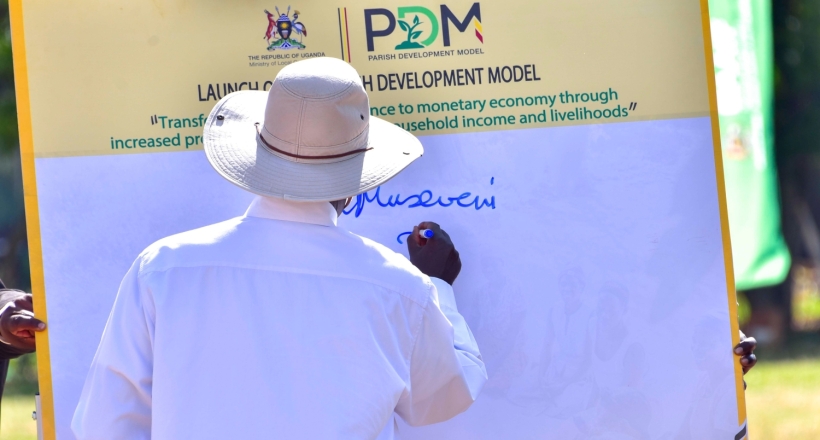
Launched in February 2022, the Parish Development Model is one of the government’s flagship poverty eradication programmes aimed at transitioning 3.5 million households from subsistence farming into the money economy. Beneficiaries receive Shs1 million as a revolving fund to invest in enterprises such as poultry, piggery, dairy farming, coffee growing and fruit production.

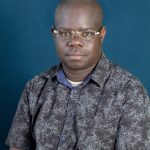
Meanwhile, Detective Superintendent of Police Geddes Twinamatsiko, the Deputy Albertine Regional Criminal Investigations Directorate Officer, revealed that law enforcement agencies have registered several PDM-related corruption cases across the region.
He said nearly 90 percent of suspects implicated in the cases have already been arrested and arraigned before courts of law.
Twinamatsiko noted that many of the cases involve parish chiefs and local leaders accused of exploiting elderly and illiterate beneficiaries.
According to police, some officials allegedly convince vulnerable residents to register mobile phone SIM cards using the officials’ details. Once government funds are deposited, the beneficiaries are reportedly never informed, allowing the officials to withdraw the money for personal use.
He urged district Chief Administrative Officers (CAOs) to strengthen verification of beneficiary groups before funds are released to reduce fraud and abuse.
Hoima Resident City Commissioner Haji Badru Mugabi also called for stronger action against corruption, urging the Inspectorate of Government to prosecute not only public officials who receive bribes but also individuals who offer them.
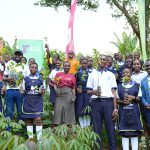
The Anti-Corruption Caravan further exposed other challenges affecting public service delivery in the region, including allegations of bribery during district recruitment processes, delayed implementation of government projects by contractors, and extortion of patients seeking treatment in public health facilities.