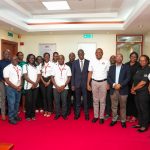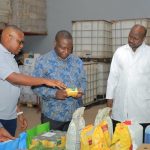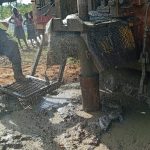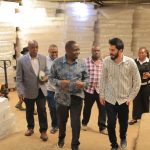
Lira, Uganda – Lira City is set to undergo a major transformation with the construction of a modern, state-of-the-art slaughterhouse, estimated to cost 10 billion Ugandan shillings (UGX), under the Urban Support for Municipal Infrastructure Development (USMID) program. The project, funded through a partnership between the Government of Uganda and the World Bank, is expected to address long-standing public health and urban management challenges in several cities including Lira.
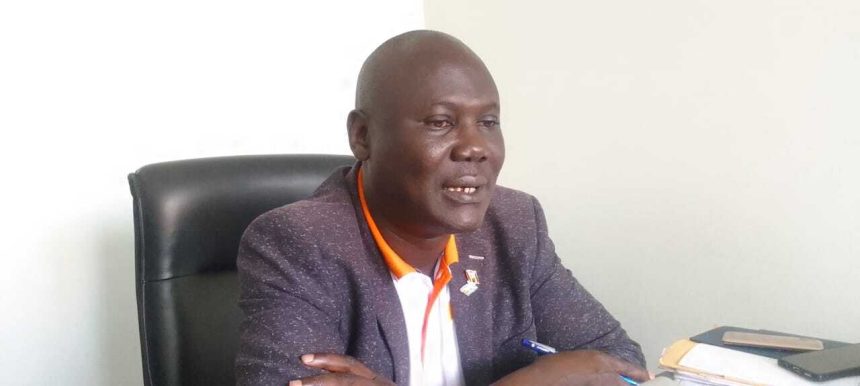
The announcement was made on Thursday by Mr. Otika Leonard, Lira City’s Environment Officer, during a media briefing held at his office in Coronation Park. He emphasized that the project is part of broader urban renewal initiatives aimed at improving sanitation, infrastructure, and service delivery in secondary cities across Uganda.
“This modern abattoir is not just about slaughtering animals, it’s about creating a hygienic, efficient, and sustainable system that will benefit the entire city,” Otika said. “We are working round the clock to ensure the success of this sub-project, which will go a long way in solving our current challenges.”
The planned slaughterhouse will be constructed following a comprehensive baseline survey and in line with modern abattoir design standards. It will feature proper drainage systems, waste management solutions, and designated zones for animal holding, slaughter, and meat inspection to ensure compliance with national and international health regulations.
One of the key issues the new facility aims to address is the rampant unhygienic conditions associated with the current informal slaughtering sites. With increasing urbanization and rising demand for meat, the existing systems have become overwhelmed, leading to improper waste disposal, clogged drainage channels, and public health hazards.

“You are aware that we are now faced with a lot of hygienic problems due to poor garbage and waste management,” Otika noted. “The drainage channels must be properly cleaned and managed in a timely manner. Whatever is constructed must ensure environmental sustainability and public safety.”
The project will also involve the relocation of residentlllll.currently occupying the proposed site. According to Otika, the city administration, in collaboration with the Ministry of Lands, Housing, and Urban Development, has put in place measures to ensure the affected individuals are resettled in safe and designated areas where they can continue their other businesses without disruption.

“This is a development for all. We understand the concerns of those who will be relocated, and we are committed to ensuring a fair process,” Otika added.
The USMID program, supported by estimated funds of 10 Billion UGX from world bank, targets infrastructure improvements in Lira. The program focuses on urban roads, water supply, sanitation, drainage, and city service delivery, with the Lira City slaughterhouse being a already a designed sub-project.
Lira City officials anticipate that once completed, the modern facility will enhance meat safety, create jobs, improve tax collection, and position Lira as a slaughterhouse for livestock management in Lango sub region ang beyond.
Construction is expected to commence soon according to Leonard Otika.
As Lira City steps into a new era of urban development, residents express happiness towards the initiative .
“We’ve suffered for long with bad smells, flies, and contaminated water during rains,” said Mary , a local resident. “If this new slaughterhouse brings order and cleanliness, then it’s a welcome change.”
With strong collaboration between the World Bank, the government, and Lira City authorities, the Lira modern Slaughter/ abattoir project symbolizes a significant milestone in the city’s journey toward sustainable urban growth.