Ugandans have criticized international media outlets for publishing combined Ebola statistics for Uganda and the Democratic Republic of Congo (DRC), arguing that the reports create unnecessary panic and unfairly damage Uganda’s image.
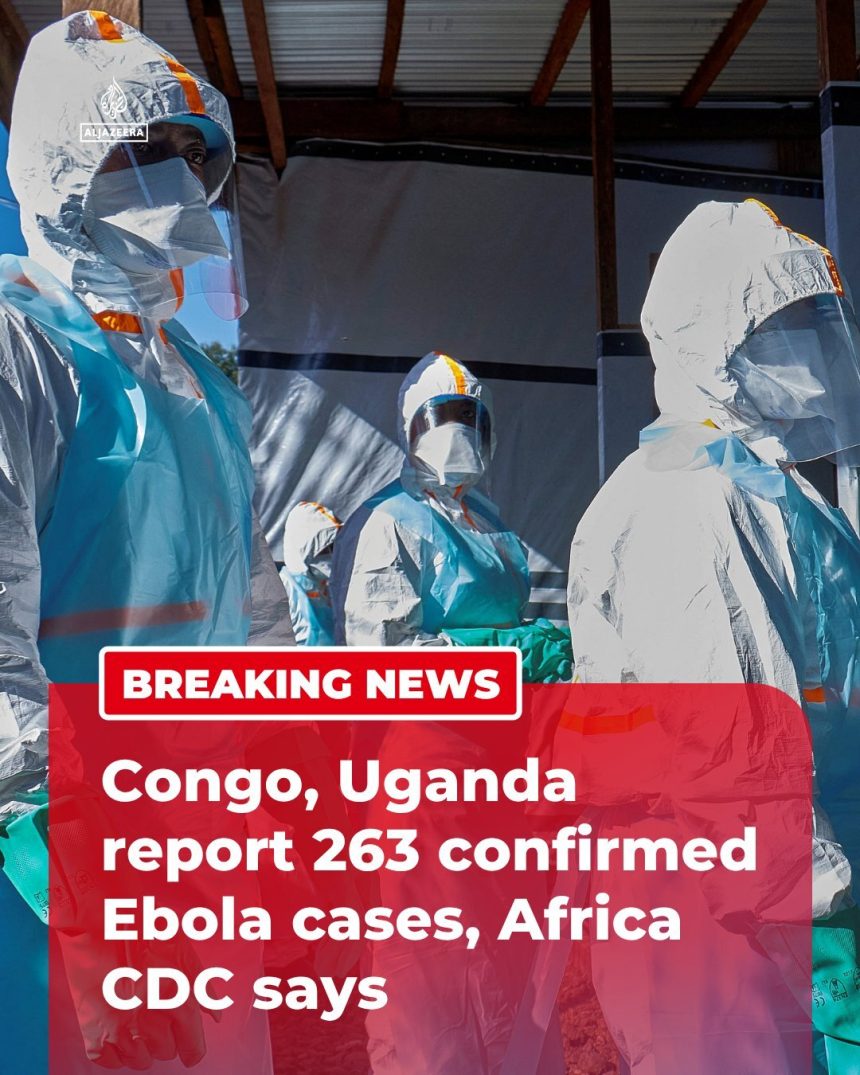
The controversy emerged after several international news organizations reported that “DRC and Uganda have recorded 263 confirmed Ebola cases and 43 deaths.” Critics say the figures failed to clearly distinguish where the infections and deaths occurred, leading many readers to believe Uganda was experiencing a major Ebola outbreak.
According to Uganda’s Ministry of Health, the country has recorded only nine confirmed Ebola cases, all linked to cross-border travel from the DRC. Uganda has reported one Ebola-related death, and health authorities say no new cases have been registered since late May.
Most of the reported infections and deaths have occurred in the DRC, particularly in conflict-affected regions where health workers continue to face challenges in controlling the outbreak.
The reporting sparked debate on social media, with journalists, public figures, and health advocates urging greater accuracy when communicating public health information.

Veteran journalist Andrew Kyamagero was among those who expressed concern, warning that combining the figures without proper context amounts to what he described as “statistical fog.”
“To say DRC and Uganda have reported 263 cases and 43 deaths without separating where the deaths occurred is not reporting. It is statistical fog dressed as public health communication,” Kyamagero posted on X.

Let us be careful in reporting @AJEnglish ,@AJENews . A regional Ebola figure is not a Ugandan death certificate.
To say “DRC and Uganda have reported 263 cases and 43 deaths” without separating where the deaths occurred is not reporting. It is statistical fog dressed as public… https://t.co/YEDr34NSUo
— Andrew Kyamagero (@kyamageroandrew) May 31, 2026
He argued that Uganda should not be casually included in another country’s mortality statistics and called on media houses to provide clear breakdowns whenever reporting regional health emergencies.
“If there are deaths in Uganda, name the district, cite the Ministry of Health, and give the exact number. If the deaths are largely or entirely elsewhere, say so with discipline,” he added.
Health experts have also warned that inaccurate reporting can have economic consequences, particularly for Uganda’s tourism sector, business travel, and cross-border trade.
Uganda’s health authorities maintain that the situation remains under control, citing strong surveillance systems, rapid contact tracing, and continued public awareness campaigns. Officials continue to encourage citizens to observe preventive measures, including regular handwashing, reporting suspected cases promptly, and avoiding unnecessary contact with sick individuals.
Meanwhile, Uganda and the DRC continue to cooperate on cross-border surveillance efforts aimed at preventing further transmission of the virus.
As concerns over the outbreak persist in parts of eastern DRC, many Ugandans are calling for responsible and precise reporting, arguing that facts—not fear—should guide public health communication.