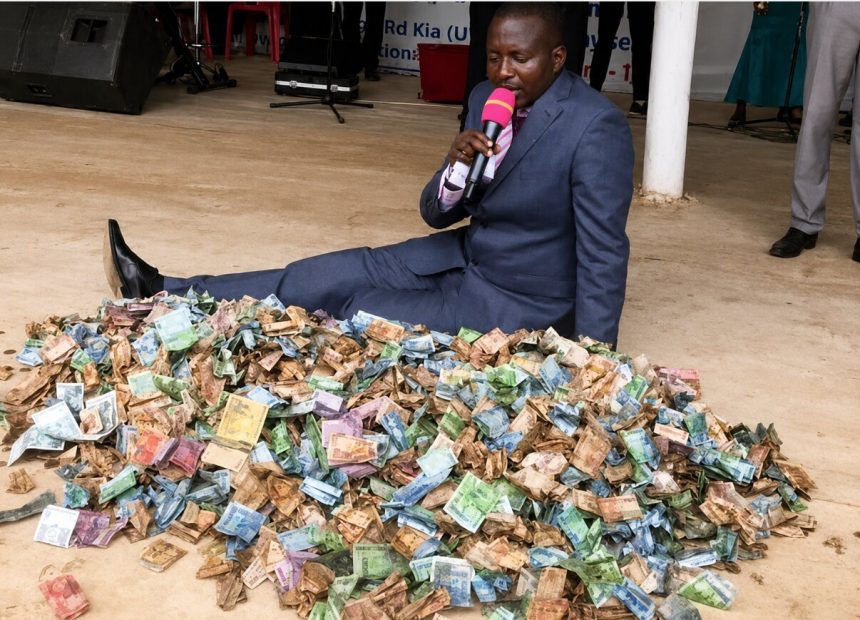
A statement by city pastor and televangelist Aloysius Bugingo has triggered widespread debate on social media after he suggested that he would keep money discovered in his garden rather than report it to authorities.
Speaking during the Lunch Hour program on Salt TV on June 12, Bugingo said that any money found within his compound would automatically belong to him and could even be viewed as a miracle in response to his prayers.
The pastor explained that while he would report suspicious money deposited into his bank account, he would treat money discovered on his property differently, arguing that it falls within his ownership.
His remarks quickly attracted criticism from members of the public, religious leaders, legal experts, and political figures who questioned the ethical and legal implications of such a position.
Among those who reacted were academics and public officials who argued that found property should be reported to the police so that its rightful owner can be identified. Critics accused the pastor of promoting values that could undermine honesty and accountability in society.

Some commentators cited biblical teachings on integrity, while others pointed to Ugandan laws that require individuals who find lost property to make reasonable efforts to return it or report it to the relevant authorities.
The controversy has since generated heated discussions across social media platforms, with many Ugandans expressing concern about the message such statements send, especially when made by influential religious leaders.

"I am a born-again Christian, but I will not lie to you: if I find a sack of money in my garden, I am not reporting it to the local chairperson." — Pastor Bujjingo #LunchHour pic.twitter.com/53xhmdZVUi
— Salt TV (@SaltTvUganda) June 12, 2026
However, a section of Bugingo’s supporters defended him, arguing that he was merely being honest about how many people would react in a similar situation. Others suggested that his comments were taken out of context and should not be interpreted as encouragement to break the law.
The debate comes at a time when questions about ethics, leadership, and accountability continue to dominate public discourse in Uganda’s religious and political circles.
As reactions continue to pour in, Bugingo’s remarks have once again placed him at the center of a national conversation, highlighting the influence religious leaders wield over public opinion and social values.