A proposal to reduce Uganda’s industrial electricity tariff to 5 US cents per unit has sparked debate within the energy sector, with experts warning that the move carries significant legal, fiscal, and structural implications.
Manufacturers have long argued that high electricity costs weaken competitiveness and discourage large-scale industrial investment. A 5-cent tariff would position Uganda among the most competitive power markets in the region, potentially boosting manufacturing output and attracting new investors.
However, energy economists caution that electricity pricing operates within a cost-recovery framework. Generation, transmission, and distribution expenses must ultimately be covered to maintain supply stability. Setting tariffs below the cost of service would immediately create a financing gap within the system.
Analysts say that gap would have to be addressed either through cross-subsidization or direct government subsidies. If domestic consumers are required to absorb the shortfall, households could face higher electricity bills. Alternatively, treasury-funded subsidies would place additional strain on the national budget at a time when fiscal pressures remain significant.
The proposal also raises regulatory considerations. Uganda’s tariff-setting process is governed by law and guided by cost-reflective principles intended to ensure transparency, predictability, and long-term sector sustainability.

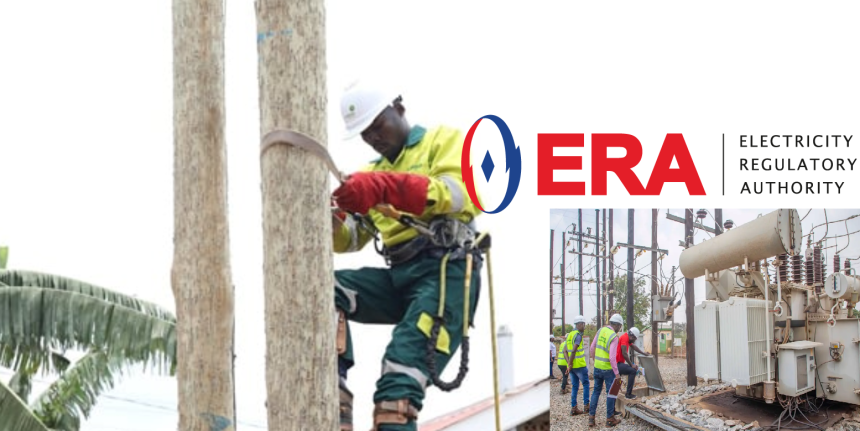
The mandate to implement this framework rests with the Electricity Regulatory Authority (ERA), under the leadership of CEO Eng. Ziria Tibalwa Waako. The regulator is required to base tariff adjustments on technical and financial data rather than abrupt policy shifts. Any deviation from established methodology could expose the sector to legal challenges and weaken investor confidence.
The debate is unfolding within the broader context of Uganda’s Vision 2040 development strategy, which prioritizes industrialization as a pathway to middle-income status. Affordable and reliable electricity remains central to that ambition. Yet policy analysts argue that tariff reductions must be aligned with structural reforms to avoid destabilizing the very sector expected to drive economic transformation.

Independent power producers and financiers rely heavily on regulatory stability when committing long-term capital. Predictable tariff frameworks underpin loan agreements, power purchase contracts, and infrastructure expansion plans. Sudden or politically driven adjustments could raise concerns among investors and lenders.
Sector observers also point to operational challenges, including slowing connection growth, infrastructure bottlenecks, and financial pressures affecting some generation projects. Addressing affordability without resolving these structural issues may produce unintended consequences.
Proponents of the 5-cent proposal argue that lower industrial tariffs would stimulate production, create jobs, and expand the tax base over time. Critics counter that such gains would not be immediate and must be supported by improved efficiency, reduced system losses, and expanded electricity demand to sustainably lower costs.
The central policy question remains how to balance industrial competitiveness with fiscal prudence and regulatory credibility. Affordable power is critical for economic growth, but long-term sustainability is equally essential to maintaining reliable supply and investor trust.
Whether the 5-cent industrial tariff can be achieved within existing legal and financial parameters remains uncertain. What is clear is that any decision will have far-reaching implications for manufacturers, households, investors, and the stability of Uganda’s electricity sector.