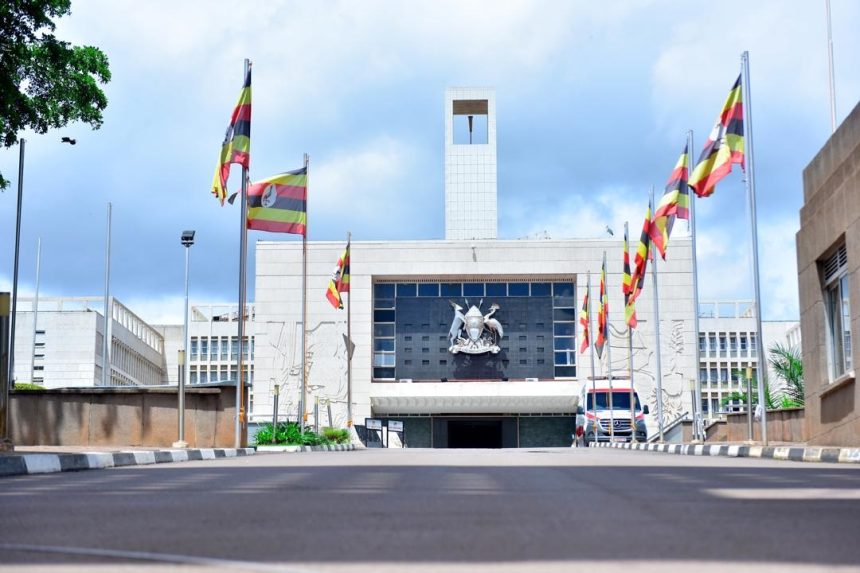
Uganda’s incoming 12th Parliament is expected to revisit the controversial NGO Funding Bill, 2026, reigniting national debate over foreign funding, civic freedoms, and government oversight of non-governmental organisations.
Although the proposal never formally reached the floor of Parliament, political analysts say several of its key ideas later resurfaced in the recently passed Protection of Sovereignty Bill, placing the issue back at the centre of Uganda’s widening sovereignty and civic space discussions.
The proposed NGO Funding Bill was petitioned earlier this year by 16-year-old entrepreneur and youth activist Nyanzi Martin Luther during the transition period between the 11th and 12th Parliament. The proposal quickly attracted public attention because of its focus on foreign donor funding, accountability, and tighter regulation of NGOs and Community-Based Organisations (CBOs).
Among the key proposals were stricter disclosure requirements for foreign funding, mandatory digital accountability systems, increased government supervision of externally funded organisations, and alignment of NGO activities with Uganda’s national development priorities.
Nyanzi defended the proposal, saying it was aimed at reducing overdependence on foreign donor funding while encouraging sustainable local support systems for organisations involved in education, healthcare, youth empowerment, and poverty alleviation.

“Foreign donors have been helpful, but they should not remain the only source of support,” Nyanzi said during media engagements earlier this year.
He argued that many local organisations continue operating in communities where government services remain limited and urged civil society organisations to view the proposal as a partnership rather than a threat.

“I urge civil society organisations to consider this bill because it is intended to support both the sector and national development,” he added.
However, as criticism surrounding the NGO Funding Bill intensified, Parliament simultaneously accelerated debate on the Protection of Sovereignty Bill, legislation aimed at strengthening safeguards against foreign interference in Uganda’s domestic affairs.
Political observers later noticed similarities between the two proposals, particularly on issues concerning foreign funding disclosure, monitoring of externally funded activities, and increased state oversight over organisations operating in politically sensitive sectors.
Governance researcher Solomon Serwanjja noted that the broader sovereignty debate increasingly reflected government concerns about foreign-backed influence in domestic affairs through civic organisations and advocacy groups.
“The language changed, but the direction remained similar — regulation of foreign influence and tighter accountability for externally funded actors,” a governance analyst familiar with parliamentary consultations observed.
The Protection of Sovereignty Bill was eventually passed in amended form despite attracting strong criticism from civil society organisations, opposition leaders, economists, and international observers, who warned that some provisions risk shrinking civic space and increasing pressure on independent organisations.
Critics argued that the measures could disproportionately affect NGOs involved in governance, election observation, accountability campaigns, and human rights advocacy.
Among the leading critics was governance expert Dr. Sarah Bireete, who warned that increased government control over NGO financing and operations could undermine institutional independence and constitutional freedoms.
“If not handled carefully, this bill could limit the operating space for NGOs and CBOs,” Dr. Bireete warned earlier this year.
She further argued that reforms affecting civil society required broader consultation to avoid weakening organisations that provide essential services to communities.
“Civil society must be actively involved so that any reforms strengthen, rather than weaken, the sector,” she added.
Civic activist Sarah Mukasa also questioned the intentions behind the proposals, warning that increased state involvement in NGO financing and monitoring could eventually shift from support to control.
“The timing and purpose of the bill suggest it could be used more for control than support,” Mukasa stated during stakeholder discussions.
Behind the scenes, some civil society actors interpreted the NGO Funding proposal as an early signal of a broader legislative shift toward sovereignty-centred governance policies that later became more visible through government-backed legislation.
Others questioned whether the youth-led petition indirectly helped introduce politically sensitive ideas into mainstream legislative debate before they resurfaced under broader sovereignty discussions.
Supporters of the measures, however, insist that Uganda has legitimate reasons to strengthen oversight over foreign-funded organisations amid growing concerns about external influence in domestic affairs and national decision-making.
Government officials defending sovereignty-related legislation argue that transparency and accountability mechanisms are necessary to protect national interests and prevent foreign actors from influencing Uganda’s internal affairs through funding networks.
Analysts, however, warn that Uganda’s civil society sector remains heavily dependent on donor funding, especially in areas such as healthcare, refugee response, humanitarian support, education, and governance programmes.
This dependence raises difficult questions for lawmakers entering the 12th Parliament: how far can government tighten oversight without weakening the very organisations providing essential public services across the country?
Political observers now believe the 12th Parliament could become the main arena where competing interests over sovereignty, civic freedom, foreign influence, and state control collide more openly.
Whether the original NGO Funding Bill formally returns before Parliament or not, analysts say its core ideas are already influencing Uganda’s evolving legislative direction.
As the 12th Parliament begins its work, the debate surrounding NGO regulation appears far from over.