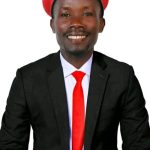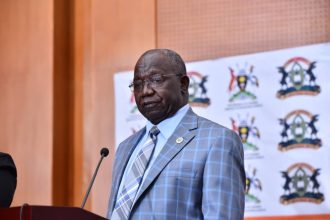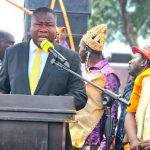
In Uganda’s dynamic political landscape, few developments have sparked as much intrigue as the emergence of the People Power Front (PPF). Founded by Spartan Mukagyi on December 20, 2023, PPF is already being seen by many as a strategic backup for the National Unity Platform (NUP).
With NUP entangled in legal disputes over its leadership, questions are emerging about whether PPF was deliberately created as a fallback to ensure the survival of the broader People Power movement.
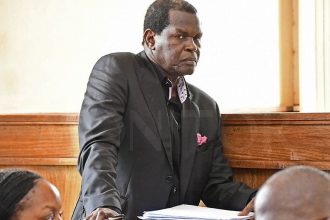
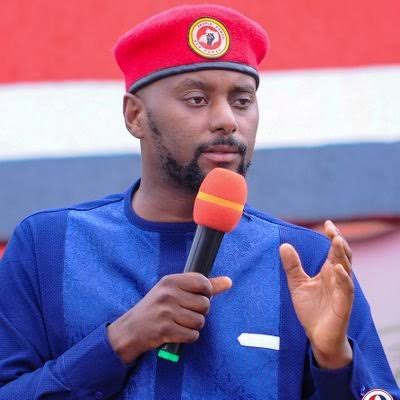
The story begins with Mukagyi’s resignation from NUP in 2021. At the time, it was portrayed as a fallout with NUP Secretary General David Lewis Rubongoya. However, insiders allege that Mukagyi’s departure was part of a carefully crafted plan to build a safety net for NUP in case of leadership troubles. Rubongoya, a key architect in transforming the National Unity, Reconciliation, and Development Party (NURP) into NUP under Robert Kyagulanyi (Bobi Wine), has faced stiff legal challenges from the party’s original founders, led by Moses Nkonge Kibalama.
The Kibalama group claims that the transfer of leadership in 2020, conducted through an extraordinary delegates’ conference, was illegal. The legal battles escalated when NUP announced its intention to gazette its constitution on January 5, 2024.
The Kibalama group quickly petitioned the Electoral Commission, challenging the legitimacy of Kyagulanyi’s leadership. If the courts side with Kibalama’s group, it could strip Kyagulanyi and his allies of control over NUP, potentially throwing the opposition party into disarray.

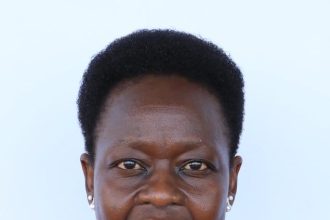
Amid these tensions, PPF has emerged as a possible contingency plan. Led by Mukagyi, PPF features prominent former NUP members, including Hajji Musa Misango, who once served as NUP’s focal person for Eastern Uganda Elections Management.
Critics point out that PPF’s organizational structure and messaging bear a striking resemblance to NUP, further fueling speculation that the two entities are closely linked.

Both NUP and PPF have chosen to remain silent on the matter. When questioned, NUP leaders, including Rubongoya, have avoided directly addressing allegations of a connection between the two organizations. Similarly, PPF leaders have not issued any official statements refuting claims that their formation was strategically linked to NUP’s challenges.
The implications of this development could be significant. Should the courts rule against NUP’s current leadership, PPF could serve as the new political home for Kyagulanyi and his allies, ensuring the survival of their movement.
However, this scenario also raises broader questions about the stability and sustainability of opposition politics in Uganda.
The emergence of PPF underscores the precarious nature of Uganda’s political environment, where legal battles and strategic maneuvering often dictate the fate of major political players.
For now, the silence from both NUP and PPF leaves room for speculation, with the relationship between the two organizations remaining a subject of intense public and political scrutiny. As the legal battles unfold, the fate of Uganda’s opposition politics hangs in the balance.