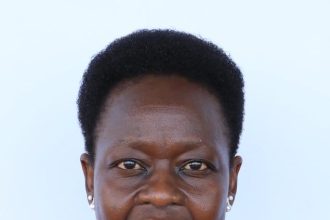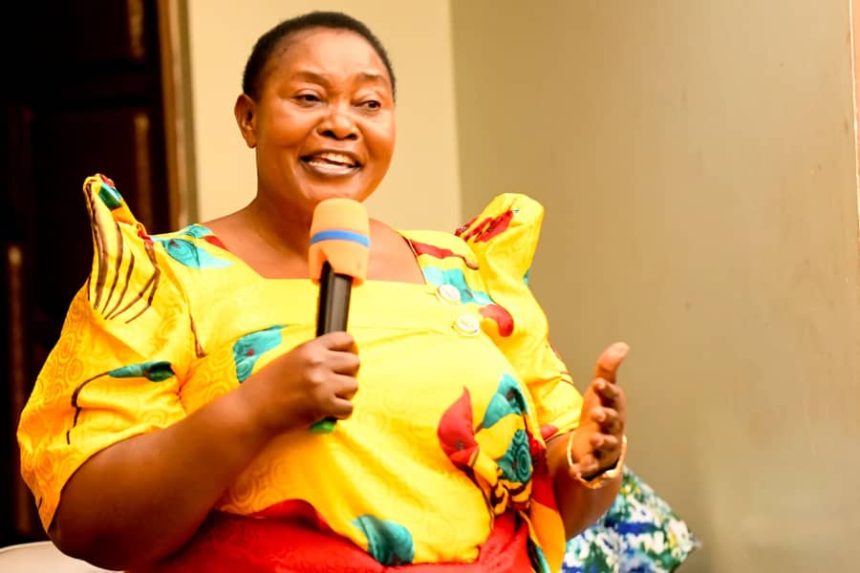
The Office of the Presidency in Uganda is one of the most sensitive and strategic dockets in the entire architecture of government. It is the nerve center through which the President’s authority is exercised, monitored, and symbolized. Under Hon. Milly Babalanda, with the guidance of PS Hajji Yunus Kakande, this ministry has become the anchor of discipline, coordination, and ideological grounding. To expand on its sensitivity is to tell the story of how the state itself is held together.
At its frontline, the Presidency commands an army of over seven hundred Resident District Commissioners, Resident City Commissioners, their deputies and assistants. These officials are the President’s representatives in every district and city, the boots on the ground who monitor government programs, enforce accountability, and ensure security.
The Minister issues guidance, instructions, and directives to this vast network, punishing indiscipline and rewarding excellence. In this way, the Presidency becomes the President’s eyes and ears, ensuring that flagship programs like the Parish Development Model and Emyooga are not just announced but implemented. The sensitivity of this role lies in its disciplinary power: without it, the RDC system would collapse into inefficiency, leaving the President blind to what happens across the country.
But the docket’s reach extends further. It supervises specialized ministers directly under the Presidency: Kampala and Metropolitan Affairs, Economic Monitoring, Security, and Ethics and Integrity. This supervisory role makes it unique—it is the ministry that polices other ministries, ensuring cohesion and discipline. In a government where fragmentation could easily derail national priorities, the Presidency acts as the glue, binding ministers to the President’s vision.
Equally critical is its oversight of national institutions. The Uganda AIDS Commission, under the Presidency, has sustained the fight against HIV/AIDS, keeping Uganda on track toward ending AIDS by 2030. It has mobilized communities, ensured continuity of ARV provision, and maintained advocacy even amidst funding challenges. The Uganda Printing and Publishing Corporation has been rejuvenated, reviving the Uganda Gazette and expanding publishing to reignite a reading culture. Once plagued by inefficiencies, UPPC has regained its role as a beacon of transparency. The Uganda Security Printing Company has strengthened accountability in secure printing, safeguarding Uganda’s integrity in producing sensitive documents like passports and national IDs. The National Leadership Institute in Kyankwanzi continues to train leaders in patriotism, Pan-Africanism, and governance, hosting retreats that align MPs and regional leaders with the NRM manifesto. The National Patriotism Corps, led by Hellen Seku, has expanded its reach across schools and institutions, instilling values of sacrifice and devotion among the youth. Each of these institutions is sensitive because they touch the very fabric of national life: health, identity, ideology, and patriotism.

The Presidency also embodies the face of government. Hon. Babalanda oversees public functions, organizes national events, and ensures protocol is observed. She is responsible for seeing off the President when he travels abroad and receiving him upon return, a ceremonial yet deeply political role that underscores her position as the President’s closest civilian aide. In this sense, the Presidency is not just administrative but symbolic—it projects the authority of the state, manages public functions, and embodies the government’s presence in everyday life.
The achievements registered under this regime are tangible. The RDC system has been disciplined and revitalized. The Uganda AIDS Commission has sustained the fight against HIV/AIDS. UPPC has been rejuvenated, restoring confidence in government publishing. USPC has strengthened accountability in secure printing. NALI has continued to groom leaders in ideology and governance. The Patriotism Corps has expanded its reach, instilling values among the youth. These achievements are tied together by the Presidency’s role as the engine room of governance, ensuring that the President’s vision is implemented, his authority respected, and his image preserved.

The sensitivity of this docket lies in its dual nature: it is both administrative and political, both disciplinary and symbolic. It supervises ministers, commands RDCs, oversees institutions, and embodies authority. It is the ministry that steadies the ship of state, ensuring cohesion, discipline, and ideological grounding. Under Hon. Milly Babalanda and PS Hajji Yunus Kakande, the Presidency has not only kept the machinery of government running but has breathed life into institutions that safeguard Uganda’s future. It is the unseen hand that ensures Uganda sails steadily toward its destiny.
This is the story of a docket that is indispensable to the running of government. Sensitive because it touches every corner of the country, every institution of state, and every symbol of authority. Sensitive because it polices, supervises, disciplines, and symbolizes. Sensitive because without it, the government would lack cohesion, discipline, and a central command. With it, the state is anchored, disciplined, and ideologically grounded. The Office of the Presidency under Hon. Milly Babalanda and PS Hajji Yunus Kakande is not just a ministry, it is the heartbeat of Uganda’s governance, the engine room of the state, the sensitive nerve center without which the machinery of government would stall.