A personal family health crisis has evolved into one of Western Uganda’s emerging clean energy success stories, as Elsmart Conservation Technologies transforms agricultural waste into affordable cooking solutions.
The journey behind the company is rooted in a painful experience. After watching his mother suffer from Chronic Obstructive Pulmonary Disease (COPD) linked to prolonged exposure to smoke from traditional cooking stoves, Matovu Muhudi identified what he describes as a wider public health crisis affecting millions of Ugandan households.
Instead of limiting his response to clinical treatment as a medical professional, he shifted focus to prevention—leading to the establishment of Elsmart Conservation Technologies in March 2020. The company is headquartered in Nyakaizi, Mbarara City South.
Elsmart combines healthcare thinking, environmental conservation, and manufacturing to tackle household air pollution, one of Uganda’s persistent development challenges.
“My mother’s illness changed everything,” Muhudi says. “I wanted ordinary Ugandans to access cooking technologies that protect their health and remain affordable.”

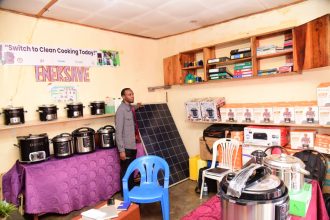
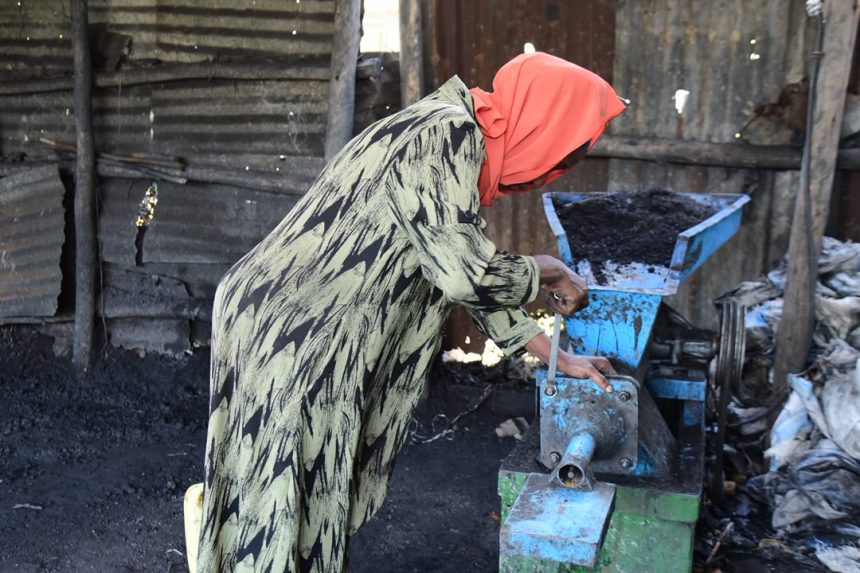
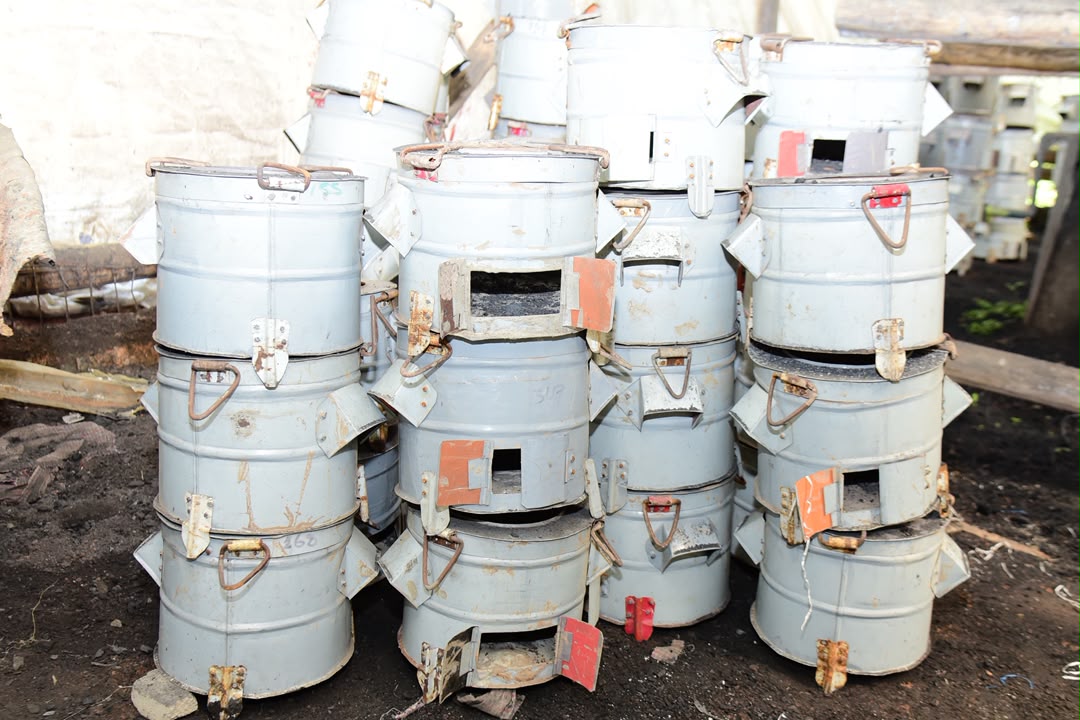
Today, the company manufactures energy-efficient cookstoves made from recycled scrap metal and produces biomass briquettes from agricultural waste that would otherwise be discarded. These solutions offer households and businesses cleaner alternatives to charcoal and firewood while easing pressure on Uganda’s forests.
Growth accelerated after Elsmart joined the Uganda National Alliance on Clean Cooking (UNACC) and participated in the Results-Based Financing (RBF) programme implemented by GIZ EnDev in partnership with Equity Bank Uganda.

Under the programme, the company was tasked with supplying 600 household cookstoves and 213 commercial productive-use stoves. These targets were not only met but used as a foundation for scaling production and strengthening operations.
“The programme gave us confidence to invest in mechanised production,” Muhudi explains. “Before that, we were operating on a very small scale.”
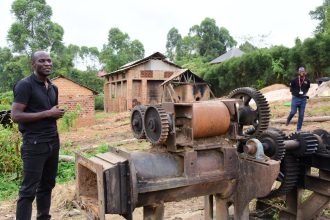
The support enabled Elsmart to transition from manual production to a mechanised manufacturing system capable of producing both honeycomb and stick briquettes, significantly improving efficiency, consistency, and output.
As a result, annual turnover increased from approximately Shs72 million to Shs98 million, providing the financial base for expansion and product diversification across Western Uganda.
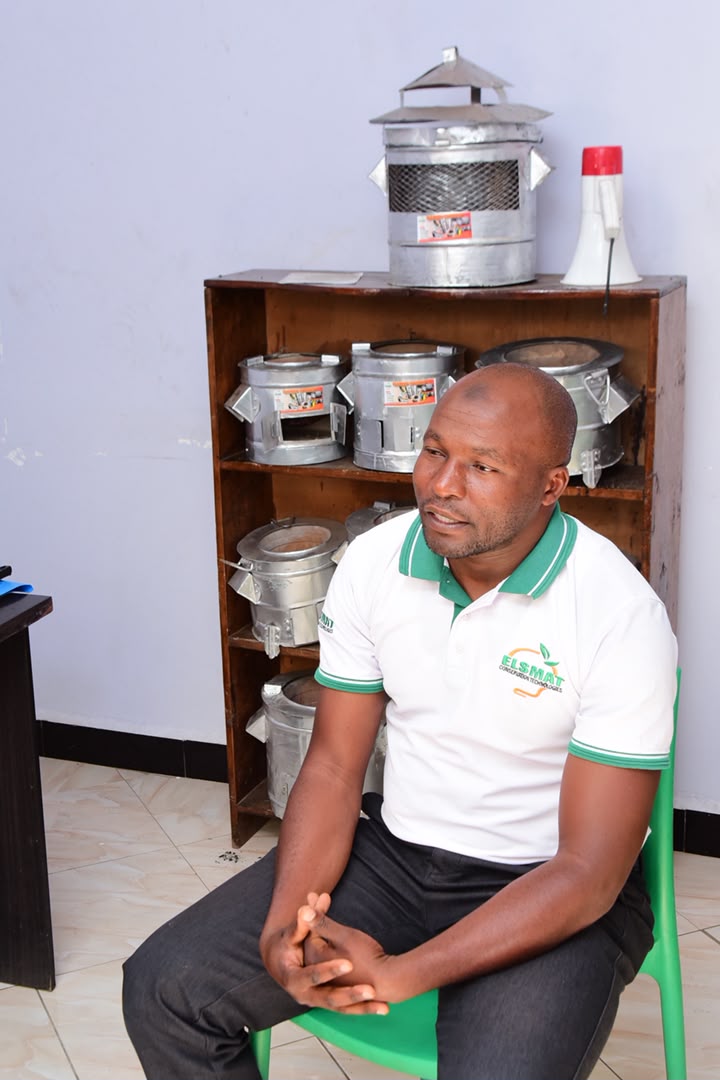
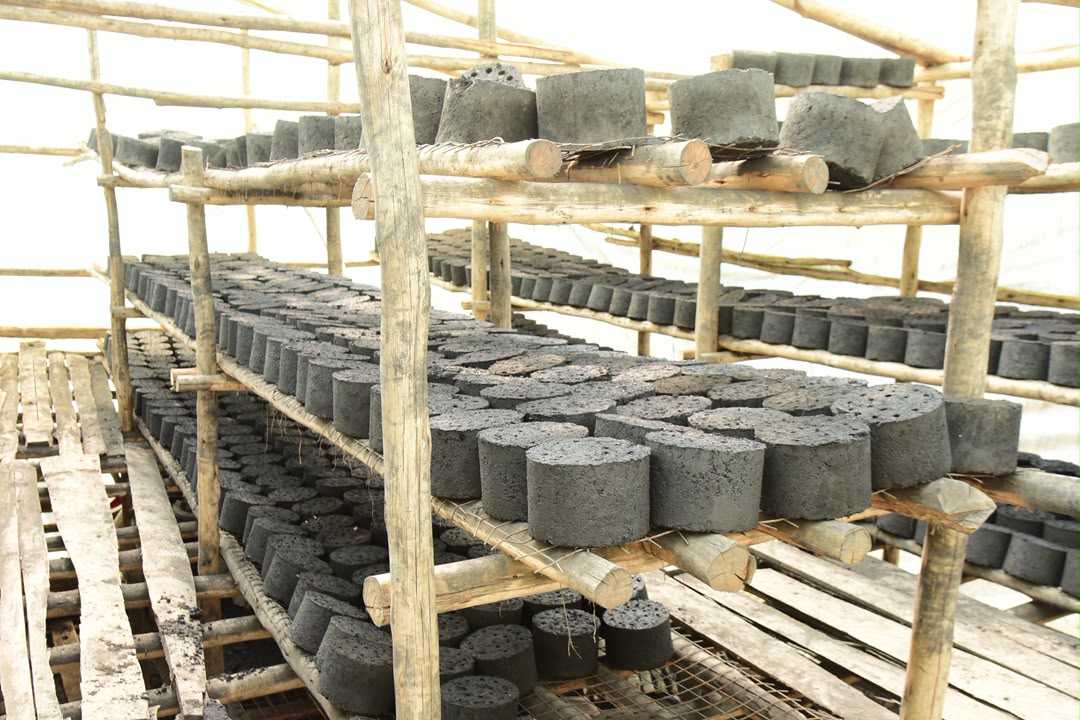
One of the company’s key innovations is the introduction of affordable biomass briquettes priced at just Shs1,500 per kilogram. Designed to complement improved cookstoves, the briquettes offer a cheaper and cleaner substitute for charcoal while reducing harmful smoke emissions in households.
Despite this progress, Muhudi notes that adoption of improved cooking technologies remains limited due to cost barriers.
“Some households can buy a traditional stove for as little as Shs8,000. Naturally, many people choose the cheapest option,” he explains.
Although Elsmart was contracted to distribute 600 household cookstoves under the programme, the company exceeded expectations by selling 1,200 units, though still short of its internal target of 2,000.
Muhudi believes that broader uptake will depend on stronger financing support and stricter quality regulation to eliminate substandard products from the market.
Beyond production, the Results-Based Financing programme also reshaped Elsmart’s operations. Strict verification requirements led the company to establish structured customer databases and improve sales tracking systems.
What initially appeared as an administrative burden has since become a valuable business tool. The company now follows up with customers, monitors stove performance, and provides after-sales support, strengthening trust and loyalty among users.
For employees like Alapha Nakayima, a former USAID health worker, Elsmart’s products represent more than clean energy, they represent preventive healthcare.
“There has been an increase in respiratory illnesses linked to smoke from traditional cooking,” she says. “These improved stoves significantly reduce exposure and improve family health.”
Beyond health benefits, the company’s use of agricultural waste to produce briquettes helps reduce deforestation and lower carbon emissions, positioning Elsmart within Uganda’s broader climate action efforts.
Looking ahead, Elsmart plans to fully automate its production line, expand distribution across districts including Isingiro, Ntungamo, Rukungiri, and Ishaka, and explore opportunities in the carbon credit market.
From personal loss to industrial innovation, Elsmart Conservation Technologies now stands as a growing example of how healthcare insight, environmental sustainability, and enterprise development can intersect to create lasting impact across communities.