MBARARA, Uganda — Mbarara District Council has tabled a proposed Shs41 billion budget for the 2026/2027 financial year, representing an increase of Shs11 billion from the Shs30 billion approved for the 2025/2026 financial year.
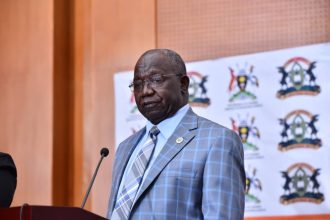
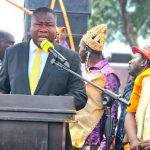
The budget estimates were presented to councillors on Tuesday by the district secretary for finance, planning and administration, Abraham Manigye, who delivered the budget speech on behalf of district chairperson Didas Tabaro.
Manigye told councillors that the district expects to raise funds from three main sources, with the largest share coming from central government transfers.
“The district anticipates raising its funds from three primary sources: Shs3.2 billion from local revenue, Shs36 billion from central government transfers, and Shs662 million from other local government grants,” Manigye said.
He noted that once realised, the funds will support service delivery across key sectors including health, education, production, works, and technical services.

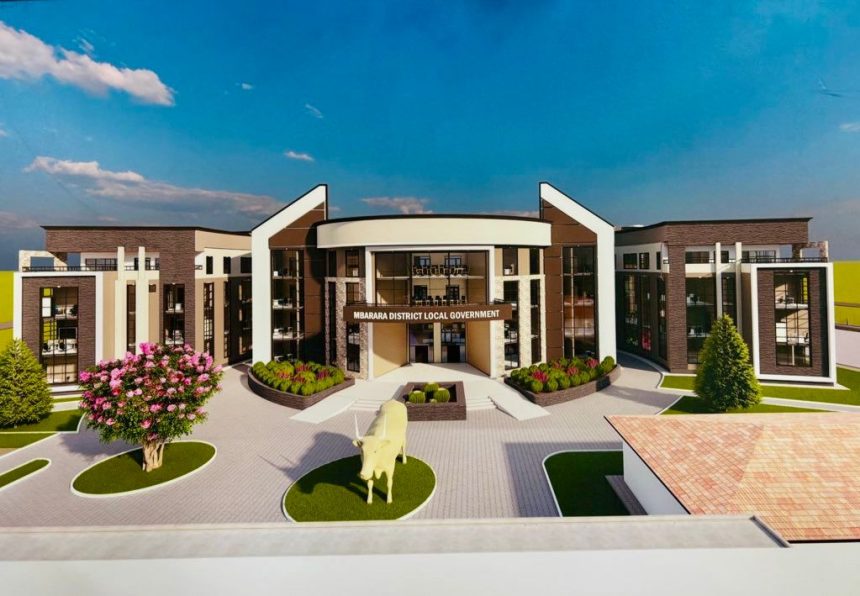
A significant portion of the proposed budget will be directed towards relocating the district administration headquarters to Bwizibwera.
According to Tabaro, the construction of the new district headquarters is estimated to cost about Shs15 billion.

“We need Shs15 billion for our district headquarters at Bwizibwera. So far, Shs2.9 billion has been secured in the 2024/2025 financial year, including Shs1 billion realised from local revenue,” Tabaro said.
He added that an additional Shs1 billion has been earmarked for the 2026/2027 financial year to continue supporting the project.
Tabaro also revealed that the district has already signed an agreement with the National Housing and Construction Company Limited to undertake the construction works.
However, Manigye acknowledged that the funds allocated so far remain insufficient to fully meet the total cost of the project.
Meanwhile, the district is planning to automate its local revenue collection system to improve efficiency, transparency, and accountability.
Manigye said the government, through the Local Government Finance Commission, has rolled out the Integrated Revenue Administration System (IRAS) to help local governments modernise revenue collection.
“Government, through the Local Government Finance Commission, has rolled out the Integrated Revenue Administration System and urged local authorities to implement and utilise the system while phasing out manual revenue collection methods, and that is our focus this financial year,” Manigye said.