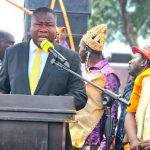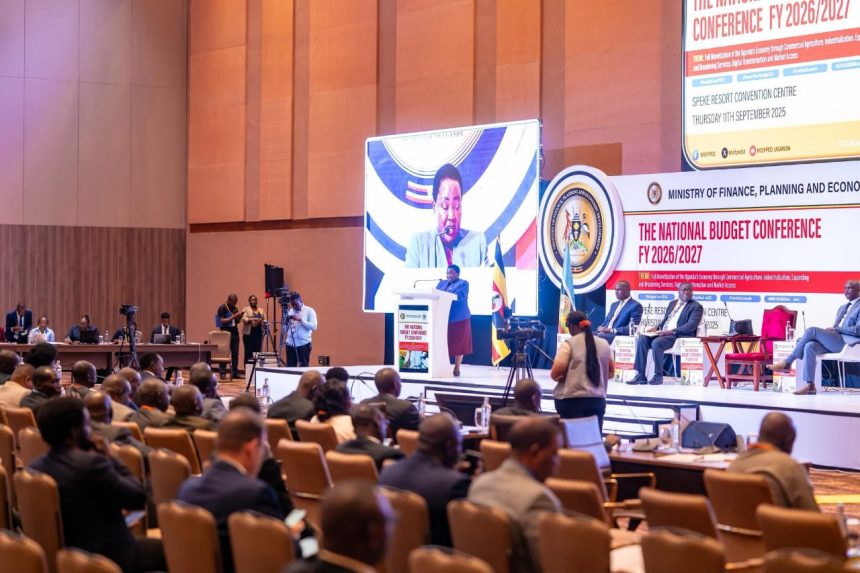
MUNYONYO, Kampala —Government has officially launched consultations for the 2026/27 national budget, with leaders calling for efficiency, discipline, and alignment to Uganda’s long-term growth targets. The discussions opened on Thursday, September 11, 2025, at Speke Resort Munyonyo during the National Budget Conference.
The event, attended by the Prime Minister, Cabinet Ministers, Members of Parliament, diplomats, civil society, and private sector representatives, marks the beginning of the budget-making process for the next financial year.
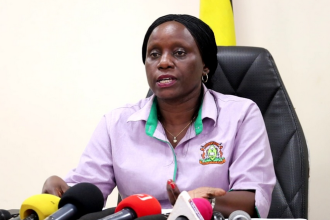
Mr. Ramathan Ggoobi, the Permanent Secretary and Secretary to the Treasury, urged Ministries, Departments, and Agencies (MDAs) to avoid “budget games” such as inflating requests, hiding real costs, or pushing pet projects.
“Going forward, these games will not be tolerated anymore. Each government institution must prioritize obligations such as salaries, pensions, and core functions before making new requests,” he emphasized.
Ggoobi said the Ministry of Finance has strengthened budget scrutiny and will issue clear guidelines to ensure credibility and reduce supplementary budget requests.

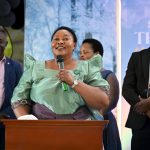
In her remarks, Prime Minister Robinah Nabbanja described the 2026/27 budget as a special one. It will be the first budget to implement the new NRM Manifesto (2026–2031), the new Charter for Fiscal Responsibility, and the second budget under the Fourth National Development Plan (NDP IV), which anchors the Tenfold Growth Strategy.
She stressed that government’s priority is to move the remaining 33% of households still in subsistence farming into the money economy. This will be achieved through programs like the Parish Development Model, Emyooga, GROW, Youth Livelihood Program, and Women Empowerment initiatives.

The Prime Minister reiterated Uganda’s target of expanding the economy tenfold from USD 61.3 billion in 2025/26 to USD 500 billion by 2040. She listed key focus areas including commercial agriculture, industrialization, digital transformation, skilling the youth, export promotion, and fighting corruption.
“Our task is to ensure all government priorities are aligned to wealth creation and socioeconomic transformation. With commitment and discipline, we can achieve middle-income status and beyond,” Nabbanja said.
The conference concluded with a call for unity and collective effort, with government urging the private sector, civil society, and development partners to play an active role in shaping a budget that reflects Uganda’s long-term aspirations.