Uganda’s Currency is Beating Regional East African Rivals – BOU Analysis
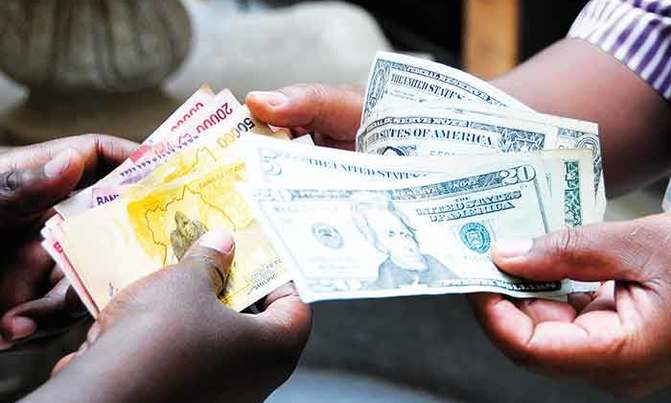
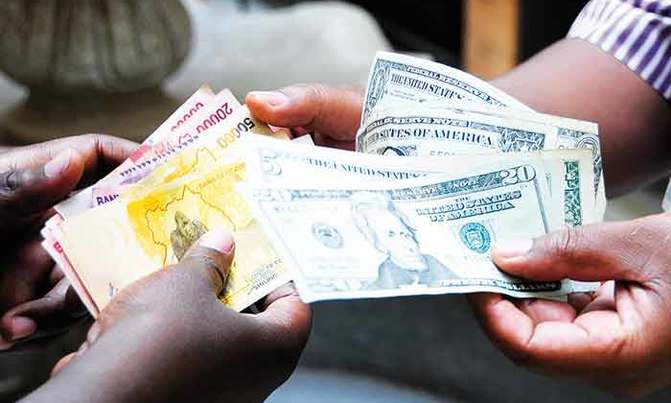
The Uganda shilling has demonstrated a prolonged period of appreciation, as highlighted in the latest report by the Bank of Uganda (BOU) for June 2024. Despite global financial uncertainties, the shilling has maintained a stable position, bolstered by various economic factors.
Stable Growth Amid Global Uncertainty
According to the BOU report, the shilling began its upward trajectory from late March 2023, following consecutive increases in the Central Bank Rate (CBR). These measures attracted offshore investors seeking higher returns, particularly from Kenya’s Euro-bond rollover and lucrative infrastructure bonds, which offered attractive real interest rates.
The Central Bank Rate (CBR), currently standing at 10.25%, plays a crucial role in BOU’s monetary policy. It influences commercial banks’ lending rates to the public, impacting overall economic activity.
Appreciation Trends and Economic Factors
The report details that the shilling, which peaked at sh3,942 per US dollar in August 2023, has since appreciated and now stands below sh3,800 as of June 2024. Over the months leading to June, the shilling strengthened notably, with a 2.7% appreciation from March to May 2024, further extending gains into June. This upward movement has been supported by increased inflows from coffee exports and contributions from Non-Governmental Organizations (NGOs).
Despite challenging global financial conditions, the shilling’s resilience against the US dollar has been bolstered by enhanced commodity export revenues. The influx of export earnings, particularly from coffee, alongside NGO contributions, has outweighed domestic corporate demands, especially from sectors like manufacturing, energy, and trade, which have shown robust economic activity.

The manufacturing sector, in particular, has significantly contributed to foreign exchange demand within the domestic market. This trend aligns with Uganda’s industrialization strategy, aimed at boosting export revenues through value addition and supporting import substitution by locally producing previously imported goods.
Regional Comparison
In comparison to other East African Community (EAC) currencies, the Uganda shilling has shown notable strength relative to pre-COVID-19 levels. The report contrasts this with the Kenyan shilling, which, despite earlier depreciation, strengthened sharply post-December 2023, following increased investor confidence related to maturing Euro-bonds and infrastructure investments. Conversely, the Rwandan Franc has experienced significant depreciation since COVID-19 times, losing over 40%, while the Tanzanian shilling faced sustained depreciation pressures since mid-2023.

Wednesday Currency Update
On Wednesday, July 17th, the Uganda shilling showed a slight weakening trend against the US dollar, closing trading at levels of 3690/3700 compared to its opening at 3688/3698. This movement was attributed to increased demand for dollars from interbank players, exerting pressure on the local currency, as reported by Richard Nsubuga, a trader from Absa.
The money markets on Wednesday remained liquid, with overnight trades averaging at 9.48%. This liquidity supported various financial transactions throughout the trading day.
Results from Wednesday’s treasury bill auction indicated mixed outcomes across different maturities. Yields for the 182-day and 364-day maturities remained unchanged, clearing at 13.000% and 13.503%, respectively. In contrast, the 91-day treasury bill saw a decrease of 45.6 basis points, clearing at 9.846%. The auction was well-subscribed, with a total of sh546.7 billion accepted.
Tuesday Currency Update
On Tuesday, July 16th, 2024, the Uganda shilling closed the trading session slightly stronger at levels of 3688/3698 compared to its opening levels of 3690/3700. This strengthening was attributed to continued dollar inflows which outweighed the demand throughout the day.
Money markets remained liquid on Tuesday, with overnight levels averaging at 9.06%. Despite clients remitting mid-month taxes, Absa traders noted that the overall market liquidity remained sufficient to meet financial obligations and transactions.
To manage the excess liquidity in the market, the Bank of Uganda conducted a 2-day Repo operation, mopping up sh134 billion. This operation aims to stabilize short-term interest rates and manage liquidity within the financial system.
Looking ahead, the Bank of Uganda announced a treasury bill auction scheduled for Wednesday, July 17th. This auction is expected to provide insights into investor sentiment and demand for government securities amidst prevailing market conditions.
Previous Weekly Trading Summary
In the week ending Friday, July 12th, 2024, the Uganda shilling held steady against the US dollar, showing resilience despite market pressures to break the key 3700 level.
Throughout the week, the Uganda shilling maintained stability, closing Friday’s trading session at levels of 3695/3705. Traders reported balanced activity between supply and demand, contributing to the currency’s stability.
“Currently, we anticipate the shilling to trade within a range of 3670 to 3750, barring any significant shifts in demand, particularly amidst anticipated mid-month tax obligations in the coming days,” remarked Catherine Kijjaggulwe, head of trading at Absa.
Monetary Policy Actions
On Friday, the Bank of Uganda conducted a significant monetary operation by mopping up sh292 billion through a six-day Repo. This move aimed to regulate market liquidity and stabilize short-term interest rates amidst prevailing economic conditions.
Market Liquidity and Yield Rates
During the week, money markets remained liquid, with overnight yields averaging at 10.02%. This liquidity supported financial transactions and obligations despite ongoing market activities.
Treasury Bill Auction
On July 17, 2024, the Bank of Uganda successfully conducted a treasury bill auction, which provided insights into investor sentiment and demand for government securities. The results of this auction are crucial indicators of market confidence and economic stability.