A controversial proposal by the Ugandan government to task the Uganda Revenue Authority (URA) with collecting school fees has sparked resistance from religious leaders, notably the Church of Uganda.
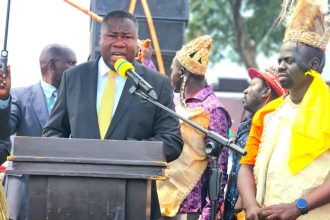
During a recent address at Mengo Senior School in Kampala, the Archbishop of the Church of Uganda, Rev. Dr. Stephen Kazimba Mugalu, publicly rejected the plan, warning it could undermine school development and institutional autonomy.
The proposal, part of broader fiscal reforms, aims to centralize revenue collection to improve transparency and curb financial mismanagement in schools. The URA, responsible for tax collection, is viewed as a capable entity to streamline fee payments, ensuring funds are properly documented and utilized.
Proponents argue this could enhance accountability, especially in public and government-aided schools, many of which face allegations of embezzlement or irregular fee structures.
However, the Church of Uganda, which oversees over 10,000 educational institutions nationwide, has criticized the move as disruptive. Archbishop Kazimba emphasized that schools rely on timely access to fees for infrastructure projects, teacher salaries, and daily operations.

“Handing fee collection to URA would create bureaucratic delays and divert resources away from schools,” he stated.
The Church fears centralized control could weaken their ability to address urgent needs, stifling growth in a country where faith-based institutions provide nearly 40% of education services.

Critics also question whether the move could lead to fees being taxed or redirected to unrelated government projects. With Uganda’s education sector already strained by underfunding and overcrowding, stakeholders warn that reduced financial autonomy may deter parental contributions or trigger tuition hikes, disproportionately affecting low-income families.
The standoff highlights tensions between centralized governance and institutional independence. While the government seeks tighter fiscal oversight, the Church insists collaboration, not control, is key to improving education outcomes. As debates escalate, resolving this impasse will require dialogue to balance accountability with the operational flexibility schools need to thrive.
For now, the proposal remains contentious, reflecting deeper challenges in Uganda’s efforts to reform public service delivery while respecting the role of long-standing partners like religious institutions.