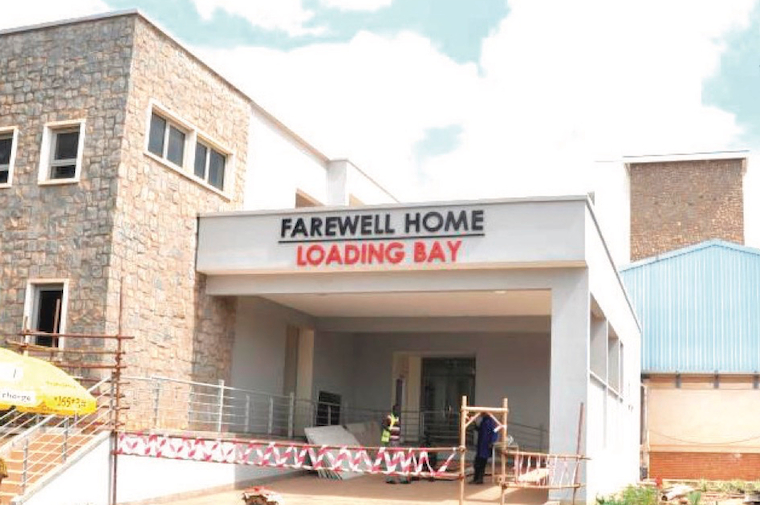
Kampala, Uganda — Senior pathologists at Mulago National Referral Hospital have moved to reassure the public over the management of the hospital mortuary, following concerns raised by bereaved families about alleged fees, delays, and handling of bodies.
The specialists say many of the claims stem from misinformation and the actions of unauthorised individuals, rather than official hospital procedures. They emphasised that all mortuary services, including post-mortems, are provided free of charge.
“There are no fees for receiving bodies or conducting autopsies. We offer these services as part of the hospital’s mandate in patient care, research, and training,” said Dr David Alale.
His colleague, Dr Musoke Shariff, cautioned the public against paying money to intermediaries who often take advantage of grieving families.
He advised relatives to deal directly with authorised medical personnel, identifiable by official attire, and to report any cases of extortion through established complaint channels.

Pathologists further explained that the mortuary serves a broader medical function beyond preserving bodies, describing it as a key diagnostic and teaching facility.
Autopsies, they noted, are essential for confirming causes of death, evaluating treatment outcomes, and training medical students.

Medical autopsies are conducted with consent from next of kin in cases of natural death, while forensic autopsies are mandatory for unnatural deaths under the Inquest Act. These include cases of accidents, suspected homicides, and suicides.
On average, the facility conducts at least 10 post-mortems daily, reflecting its central role in Uganda’s healthcare system.
Delays Linked to Family Disputes
Addressing complaints about delays in releasing bodies, Dr Alale said the hold-ups are often due to family disagreements or legal issues rather than inefficiencies within the mortuary.
“Disputes over burial arrangements or who is authorised to collect the body can significantly delay the process. In cases where bodies remain unclaimed, the hospital retains them for up to one month before arranging burial in a government cemetery, with records kept for future identification,” he explained.
Capacity and Operations
The mortuary currently operates three functional refrigeration units with a capacity of about 60 bodies and handles an average of 20 new arrivals daily. Although the facility has additional storage units, these remain uncommissioned to manage operational costs.
Hospital staff are responsible for transporting bodies from wards to the mortuary using covered trolleys to ensure dignity and confidentiality, with families not required to handle the process.
Addressing Misconceptions
Pathologists also dismissed persistent rumours about organ theft, stating that organs cannot be used for transplantation once death occurs, except in highly limited circumstances such as corneal donation.
“Any examination of organs during an autopsy is strictly for medical purposes, to determine the cause of death and provide clarity to families,” Dr Shariff said.
They added that all deaths, whether occurring within the hospital or brought from outside, must be processed through the mortuary to support documentation, investigation, and medical research.
The clarification, experts say, is part of ongoing efforts to build public trust in one of the country’s most critical but often misunderstood medical facilities.
Source: ugexclusive.com