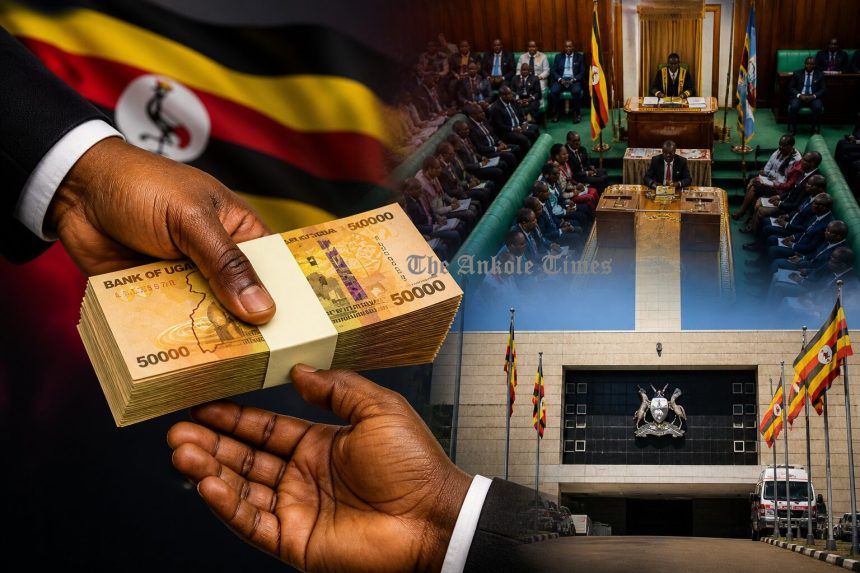

KAMPALA , Uganda — Fresh allegations of bribery have emerged ahead of a crucial parliamentary vote on Uganda’s proposed Protection of Sovereignty Bill, 2026, casting a shadow over an already divisive piece of legislation.
The claims, which remain unverified, suggest that some Members of Parliament may have received up to Shs100 million each to influence their position on the Bill. The allegations were raised by Andrew Natumanya, a digital strategist linked to the National Unity Platform, who said unnamed opposition legislators were allegedly paid over the weekend.
“There are MPs who received Shs100 million each and think no one knows,” Natumanya wrote on social media, without providing evidence or naming those involved. He further claimed that details would be revealed at a later stage.
By press time, there had been no official response from Parliament, the executive, or the accused lawmakers regarding the allegations.
The bribery claims come at a critical moment, as Parliament prepares to vote on the highly contested Sovereignty Bill. The legislation, introduced in April, is presented by government as a necessary framework to shield Uganda from foreign interference in its political and economic affairs.

Government officials, including junior Internal Affairs minister David Muhoozi, have defended the Bill as essential for national security and stability. They argue that tighter controls on foreign funding will enhance transparency and prevent undue external influence in domestic matters.
Key provisions of the Bill require individuals and organisations receiving more than Shs400 million annually from foreign sources to seek approval from the Internal Affairs ministry. Failure to comply could result in stiff penalties, including long prison sentences and heavy fines.

However, critics say the proposed law goes too far. Civil society organisations, legal experts, and opposition figures warn that its broad definitions could capture ordinary citizens, small community groups, and even individuals receiving remittances from relatives abroad. They argue that the Bill risks shrinking civic space and undermining constitutionally protected freedoms.
The debate has also drawn concern from major institutions. The Bank of Uganda has cautioned about potential economic consequences, while the Buganda Kingdom has reportedly advised government on possible revisions to address contentious provisions.
President Yoweri Museveni has urged legislators to stay focused and pass the Bill, dismissing what he described as unnecessary distractions in the debate.
Despite government assurances, tensions have remained high, with reports of heated disagreements among MPs, including a recent altercation during a meeting in Munyonyo.
Political observers say the resurfacing of bribery allegations, similar to claims made during previous legislative processes, risks eroding public trust in Parliament at a pivotal time.
While the authenticity of the current claims remains unclear, their timing has intensified scrutiny of lawmakers as the country awaits a decision on one of the most consequential Bills in recent years.
As Parliament prepares to vote, the Sovereignty Bill stands not only as a test of Uganda’s legislative direction on national security and foreign influence, but also as a measure of confidence in the integrity of the country’s democratic processes