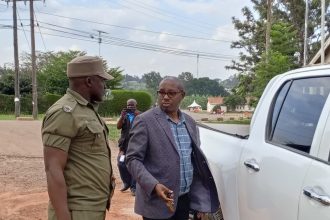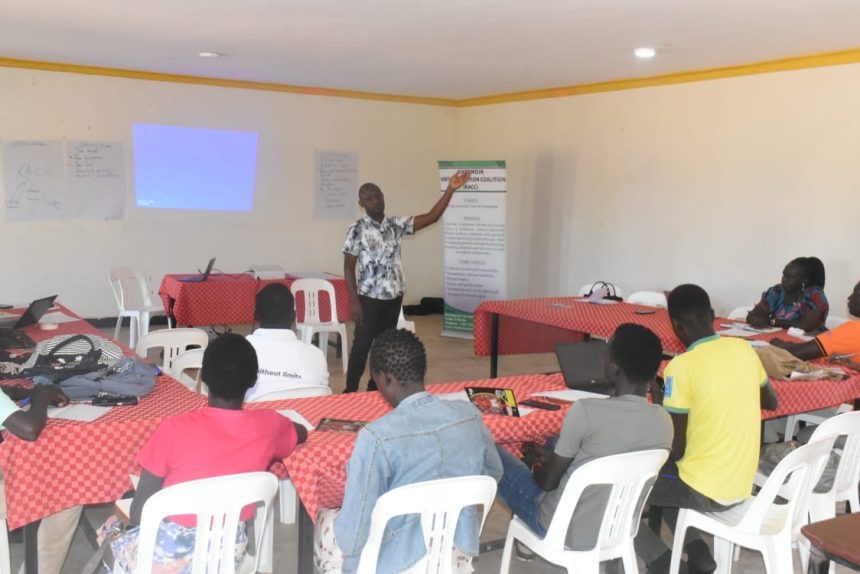

KOTIDO, Uganda — Resident District Commissioner (RDC) Ichogor has challenged Community-Based Monitors (CBMs) in Karamoja to take a proactive role in tracking government programs and reporting cases of poor service delivery, corruption, and misuse of public resources.
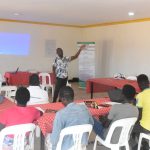
Speaking during the opening of a two-day training organized by the Karamoja Anti-Corruption Coalition (KACC) in Kotido District, Ichogor told the 10 community monitors that citizens have a responsibility to ensure government interventions achieve their intended objectives and benefit the intended communities.
“You are the eyes and ears of the community. Monitor government programs closely and report any irregularities through the right channels. Accountability begins when citizens take interest in how public resources are utilized,” he said.
The RDC emphasized that community-based monitoring is a critical tool for improving governance and service delivery, particularly in a region where government and development partners continue to invest heavily in programs aimed at improving livelihoods.
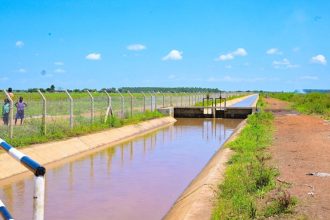
He urged the monitors to work closely with local leaders, technical officers, and community members in tracking public projects and services, including interventions under the Parish Development Model (PDM), health, education, water, and other community development initiatives.

The training, which brings together monitors from different parts of the Karamoja sub-region, is aimed at strengthening their capacity in social accountability, project monitoring, evidence collection, documentation, reporting, and constructive engagement with duty bearers.
Speaking at the meeting, NARWOA Executive Director Jessca Ruth Ataa underscored the importance of community participation in promoting transparency and ensuring that public resources are used effectively.

“Communities have a vital role to play in promoting accountability. When citizens are informed and actively engaged, they can help identify gaps in service delivery and contribute to positive change. Community-Based Monitors are an important bridge between citizens and duty bearers,” Ataa said.
She encouraged the participants to apply the skills acquired during the training to strengthen citizen engagement and advocate for improved service delivery in their respective communities.
Meanwhile, KACC Executive Director Ayub Mukisa noted that citizen-led monitoring remains one of the most effective approaches to combating corruption and enhancing good governance.
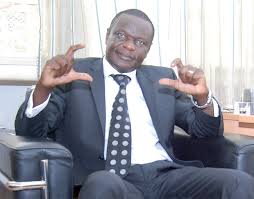
“The fight against corruption requires collective action. Citizens must be empowered with the knowledge and tools to monitor public projects, engage leaders constructively, and demand accountability. Through this training, we are building a network of community monitors who can help strengthen transparency and improve governance outcomes across Karamoja,” Mukisa said.
Participants welcomed the training, describing it as timely and practical.
One of the trainees, Lokwi Deogratious, a Community-Based Monitor from Lokitelebu Town Council, said the training had deepened his understanding of accountability mechanisms and reporting procedures.
“This training has opened my mind on who to approach, how to approach them, and when to report issues affecting our communities. It has given us practical knowledge on monitoring government programs and engaging duty bearers effectively. Such trainings should continue because they empower community members to demand accountability and better services,” he said.
The two-day training is expected to equip participants with practical skills to monitor government programs, document findings, and engage relevant authorities in addressing governance and service delivery challenges.
The initiative forms part of ongoing efforts by KACC and its partners to strengthen citizen participation, promote transparency, and foster accountability in public service delivery across the Karamoja sub-region.