The Ministry of Lands, Housing, and Urban Development has issued 1,017 Customary Certificates of Ownership to families in Agago district, marking a pivotal step in documenting and formalizing land ownership in the region.
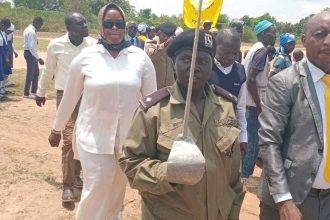
The issuance ceremony, held at Kalongo Grounds in Kalongo Town Council, saw individuals, families, and two clans, Karuge Katugu and Lwara Kare in Wol and Paimol Subcounties, receiving their land certificates. This initiative stems from a pilot project launched by the government in 2020 under the DINU Land component, with financial support from the European Union and the United National Capital Development Fund (UNCDF). The primary objective is to document customary land and provide government-recognized documentation in accordance with the Constitution and the Land Act.
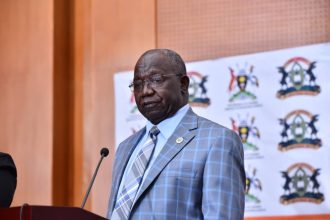
Minister of Lands, Housing, and Urban Development, Judith Nabakooba, emphasized that the customary land registration aligns with the NRM’s current manifesto, aiming to process and provide legal documentation to landowners through customary land titles. The minister highlighted the potential of this process to resolve long-standing land conflicts, which often have detrimental effects on productivity and land use.
Nabakooba explained that the implementation of land registration is designed to ensure that customary landowners, including individuals, families, and clans, have their land properly identified, demarcated, and registered. This, in turn, allows them to receive legal documentation as proof of land ownership. The minister noted the positive impact of the exercise, citing the return of peace and increased productivity in communities. Families and communities, now assured of land protection, have begun engaging in agricultural activities with the confidence that their crops will be secure from illegal evictions.
While acknowledging the conclusion of the pilot project, Minister Nabakooba assured that the government would persist in registering more clans, with support from the European Union and the World Bank. The ministry aims to register 275,000 customary landowners, including families, clans, and indigenous communities, throughout the country before 2026.

The minister emphasized that the registration of customary land is instrumental in securing ownership rights, preventing land disputes, and thwarting the abuse, stealing, or grabbing of customary land by unscrupulous individuals, speculators, and fraudulent land dealers.
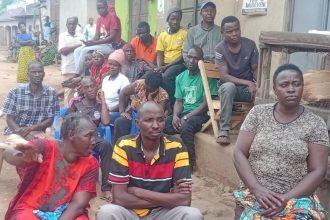
Beneficiaries of the pilot project, such as Charles Banya and Ultimo Oyet from Wol Sub-county, expressed the significance of the certificates in safeguarding their land for future generations. The certificates not only limit land disputes but also act as crucial documents for securing land, a vital asset essential for development.

Denis Obbo, the Commissioner at the Ministry of Lands, Housing, and Urban Development, advised certificate holders against using them as collateral for loans they might fail to repay, emphasizing responsible and informed land management.