
KAMPALA — The abrupt removal of Quillino Bamwine as Eswatini’s honorary consul to Uganda has exposed a deeper crisis surrounding the stalled Shs86 billion Kabuyanda earth dam project in Isingiro District, revealing a tangled mix of diplomatic involvement, commercial disputes, and allegations of misconduct.
In a letter dated October 31, 2025, Eswatini’s ambassador and permanent representative to the African Union, Mahlaba A. Mamba, revoked Bamwine’s appointment, citing allegations of extortion, fraud, and involvement in questionable land transactions. The letter further accused him of ignoring prior warnings and engaging in conduct that brought the consulate into disrepute.
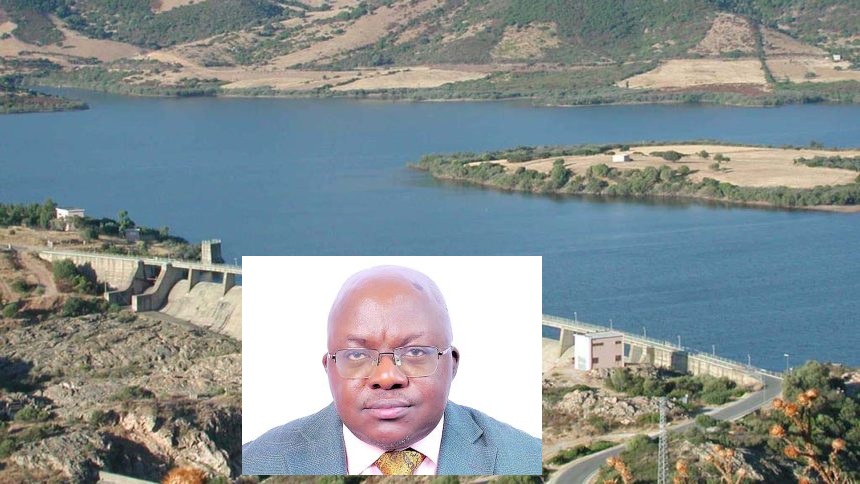
At the centre of the controversy is the Kabuyanda earth dam project, launched in May 2023 with an expected completion period of 30 months. Funded at Shs86 billion, the project was designed to boost irrigation and agricultural productivity in southwestern Uganda but has since stalled amid escalating disputes between contractors and growing concerns over oversight.
The project brought together Uganda’s Plinth Technical Services and Eswatini-based Inyatsi Construction Ltd. However, relations between the two firms broke down in October 2023 when Inyatsi terminated Plinth’s subcontract, triggering a prolonged legal and contractual battle that has since crippled progress on the site.
The dispute escalated to both Ugandan courts and the International Chamber of Commerce (ICC), where competing rulings over payments, including a blocked Shs21.2 billion disbursement and a contested Shs5 billion security order, further deepened the impasse, leaving the project in limbo.

It is within this fragile and highly contested environment that Bamwine reportedly entered the picture, allegedly tasked with using his diplomatic connections to mediate between the warring parties. Instead, sources say his involvement introduced a new layer of tension.
Insiders claim Bamwine adopted a more assertive negotiating role than expected, including pushing for financial guarantees and proposed down payments—moves that reportedly unsettled key stakeholders and blurred the line between diplomacy and private commercial interests.

A Ugandan delegation he is said to have led to Eswatini initially raised hopes of a breakthrough, with discussions pointing toward a possible $4 million settlement. However, the talks collapsed over disagreements on guarantees, further hardening positions between the parties.
Subsequent reports to Eswatini’s foreign affairs authorities allegedly raised concerns over Bamwine’s conduct and judgment, prompting scrutiny that ultimately culminated in the revocation of his diplomatic status.
The fallout has also drawn attention to broader linkages between influential figures connected to Inyatsi Construction Ltd and political actors within Eswatini, further complicating an already sensitive dispute.
Bamwine, who has declined to comment citing ongoing investigations, now finds himself at the centre of a diplomatic and commercial storm that has left his reputation in question.
The Kabuyanda dam project remains stalled, with arbitration proceedings still ongoing before the ICC. The project’s collapse in momentum has raised fresh concerns about accountability, governance, and the risks of mixing diplomacy with high-stakes commercial negotiations.
As investigations continue, the case stands as a cautionary tale of how infrastructure ambition, legal conflict, and diplomatic entanglement can converge to derail a multi-billion-shilling development project.