The return of Uganda National Media Group (UNMG) marks more than the launch of another news organisation. It is an attempt to build a modern media company in an industry where established brands have spent decades cultivating audiences, attracting advertisers, and shaping public debate.
UNMG enters the market at a time when Uganda’s media industry is undergoing significant transformation. Newspapers are increasingly prioritising digital publishing, television stations are expanding online, and social media has become a major source of breaking news. In such an environment, success depends less on the size of a newsroom and more on the ability to produce credible journalism quickly and consistently.
Compared with Uganda’s largest media houses, UNMG is still in its formative stage. Long-established organisations benefit from extensive reporting networks, experienced editorial teams, and diversified revenue streams spanning print, television, radio, and digital platforms. These advantages allow them to cover national events simultaneously from multiple regions and sustain operations through different market conditions.
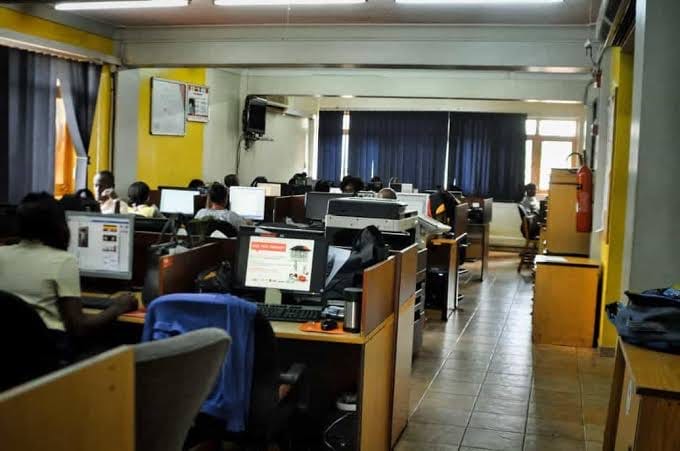
UNMG, however, has the opportunity to build without the constraints of legacy media. Rather than investing heavily in traditional print or broadcast infrastructure, it can concentrate its resources on digital journalism, mobile audiences, and emerging storytelling formats. This flexibility could enable the organisation to adapt more rapidly to changing audience behaviour.
The company’s greatest test will be credibility. In journalism, trust cannot be launched alongside a new brand—it is earned over time through accurate reporting, balanced coverage, and transparent editorial standards. Readers will ultimately judge UNMG not by its ambitions but by the consistency and quality of its journalism.
Competition will also extend beyond traditional media organisations. Independent online publishers, citizen journalists, and social media influencers now compete for public attention, making the news environment more fragmented than ever before. This means UNMG must offer reporting that readers cannot easily find elsewhere if it hopes to develop a loyal audience.
Financial sustainability presents another challenge. Digital publishing lowers operational costs, but online advertising alone rarely provides sufficient revenue for sustained newsroom growth. Like many emerging media organisations worldwide, UNMG may eventually need to diversify its revenue through subscriptions, events, strategic partnerships, or specialised commercial services while maintaining editorial independence.

Nevertheless, the company begins with one notable advantage: it is entering the market during a period when audiences increasingly seek faster, more accessible digital news. Younger readers, in particular, are consuming information primarily through smartphones, creating opportunities for agile digital publishers that understand changing consumption habits.
Industry observers note that Uganda’s media market remains competitive but not closed. History has shown that organisations capable of producing distinctive investigative reporting, insightful analysis, and strong community engagement can gradually establish themselves alongside larger competitors.
For Uganda National Media Group, the path forward is unlikely to be measured by how quickly it matches the scale of established media houses. Instead, its success will depend on whether it develops a clear editorial identity, invests in professional journalism, and earns public confidence one story at a time.
In the end, UNMG’s relaunch represents both an opportunity and a test. If it consistently delivers original, credible, and independent reporting, it could become an important addition to Uganda’s evolving media landscape. If it fails to distinguish itself in an increasingly crowded digital environment, it risks becoming another short-lived entrant in a highly competitive industry.