KAMPALA – The Parliament of Uganda has called for strengthened malaria prevention and case management in schools and communities following concerns over the rising burden of malaria among children below the age of 15 years.
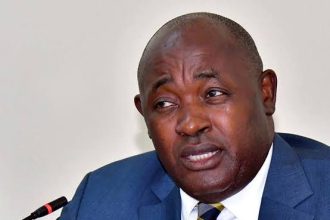
The call was made during Tuesday’s plenary sitting after Kigulu County South MP Andrew Kaluya raised a matter of national importance, warning that the continued prevalence of Plasmodium falciparum, the dominant malaria parasite in Uganda, poses a significant threat to school-going children and surrounding communities.
Kaluya urged the Ministries of Health and Education to strengthen malaria response mechanisms in schools by establishing functional sick bays and deploying qualified health workers to provide timely treatment for learners.
He also appealed to parents to keep schools informed about the health conditions of their children to enable appropriate medical care whenever necessary.
“Schools are not handling malaria treatment adequately. The Ministry of Health, together with the Ministry of Education, should ensure schools have proper sick bays and nurses to manage malaria cases effectively. Parents should also share relevant health information about their children with schools,” Kaluya said.

The legislator cited research showing that school-going children are among the biggest carriers of malaria parasites, with many showing no symptoms while continuing to spread the disease within their communities.
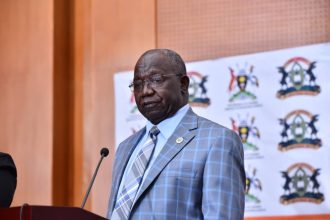
Responding to the concerns, Health Minister Dr Chris Baryomunsi acknowledged that malaria remains one of Uganda’s leading public health challenges despite significant progress made in reducing infections over the years.

“The concerns raised by the Member are genuine. Malaria remains a major contributor to the disease burden in Uganda, and our country continues to rank among those with the highest malaria burden globally,” Baryomunsi told Parliament.
He said government interventions have reduced malaria parasite prevalence from 43 percent in 2009 to 13 percent, demonstrating the impact of sustained malaria control programmes.
However, the minister noted that Uganda continues to experience seasonal increases in malaria cases between May and July and again between September and November, adding that the Ministry of Health is closely monitoring the current rise in infections.
Baryomunsi said the National Malaria Control Programme, working together with the School Health Programme, has intensified interventions aimed at protecting learners from malaria.
He revealed that the ministry is implementing the School Malaria Project in partnership with organizations including Pilgrim Africa, focusing on indoor residual spraying of classrooms and dormitories in districts with high malaria transmission.
The minister further informed Parliament that he had directed ministry officials to intensify the response and pledged to present a comprehensive statement outlining additional government interventions to curb the disease.
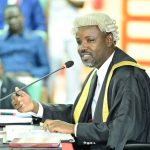
Deputy Speaker Thomas Tayebwa also urged Members of Parliament to support national malaria awareness campaigns by participating in the Parliamentary Malaria Walk scheduled for later this month.
He said the event will bring together legislators, civil society organizations, development partners and health professionals to raise awareness about malaria prevention and encourage Ugandans to adopt measures that reduce infections.
Lawmakers emphasized that stronger collaboration between government institutions, schools, parents and communities will be critical in reducing malaria infections, particularly among children, who remain the most vulnerable to the disease.