Long before they became accused persons in a high-profile criminal case, the young men involved in the Pastor Robert Kayanja sodomy saga appeared to be pursuing something else entirely (payment for what they claimed had been promised to them).
A series of WhatsApp messages and call logs recently replayed before officials at the Uganda Communications Commission (UCC) shed fresh light on the private exchanges that preceded one of most controversial church-related legal battles.
The chats, allegedly involving 20-year-old Regan Ssentongo, one of the youths (now in Luzira maximum preason) paint a picture of repeated demands for money, references to broken promises and claims of betrayal.
In a message dated May 2021, the sender (Reqgan Ssentongo) complains that “whatever you promised was a lie” before demanding payment from a person (said to be Pastor Kayanja, according to the findings by police forensic expert Enock Kaneene as presented earlier in court earlier) he accuses of having “used” him.
Months later, another message escalates the pressure.
“Do you remember at the farm, you f**ed us and you only paid Presdo [my colleague] Get my money in peace and I go for life,” reads another communication displayed during the proceedings.

The wording of the messages appears to suggest a person who believed he had not received what had been agreed upon and was increasingly frustrated by the situation.
But the demands did not stop there.
In another communication dated August 2021, the sender levels even more serious accusations, claiming he had been infected with “deadly diseases,” that his life had been destroyed and that requests for treatment had been ignored.

To some observers following the case, the communications raise questions about whether the dispute was initially driven by demands for compensation before eventually exploding into criminal accusations which have seen many of the young men spend years in preason.
Supporters of Pastor Kayanja have long maintained that the accusations were part of an extortion scheme designed to force him into making payments, while on the other hand, those sympathetic to the young men argue that the messages demonstrate individuals desperately seeking redress for what they believed had happened to them.
Whatever interpretation one chooses, the exchanges reveal a relationship that had already broken down badly long before the matter reached police stations, courtrooms and national headlines.
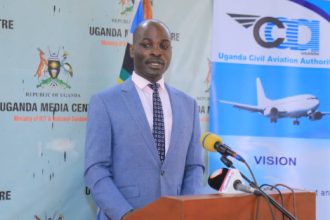
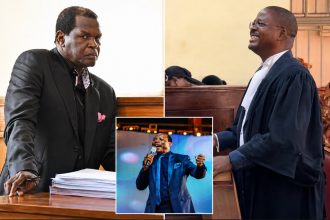
The chats surfaced recently, during a heated hearing at the Uganda Communications Commission, where lawyers representing Pastor Jackson Senyonga relied on material they said had already been presented and examined in court proceedings.
The UCC meeting had been convened to investigate complaints arising from media coverage of the ongoing dispute between Kayanja and the group of young men.
As lawyers argued over whether certain broadcasts had accurately represented court evidence, screens inside the UCC boardroom displayed the WhatsApp messages, call records and other digital exhibits that have become central to the broader controversy.
The communications formed part of material that Senyonga’s legal team said had previously been subjected to forensic examination by police digital expert Enock Kaneene, and what emerged from the displays was not merely a legal dispute but a trail of messages revealing alleged promises, demands for payment.
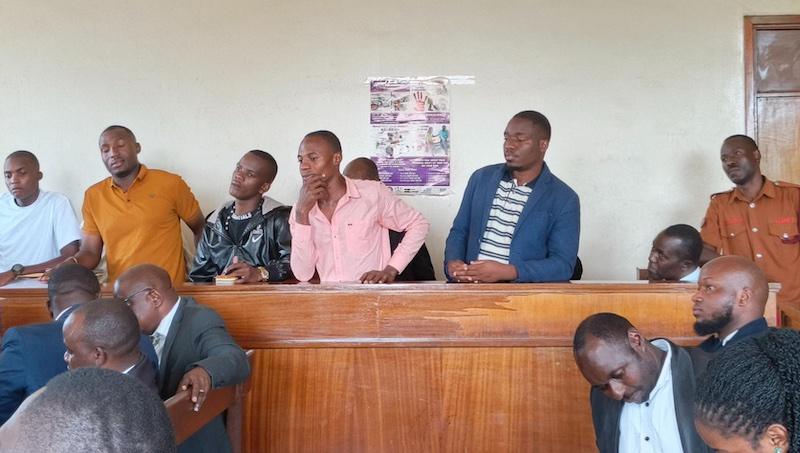
Today, some of the very youths whose messages were displayed before UCC officials are accused persons in Criminal Case No. KLA-CO-605 of 2023