Kampala — Uganda’s economic story over the last three decades has largely been framed around recovery, reform and resilience. From the liberalisation wave of the 1990s to steady expansion in services, trade and infrastructure, the country has positioned itself among East Africa’s frontier growth economies. Yet beneath headline growth figures lies a more complex narrative: the rapid rise of a concentrated class of private wealth holders whose combined fortunes now represent a significant share of national output.
As of 2025, Uganda’s nominal Gross Domestic Product (GDP) stood at approximately US$65 billion. Within that context, the combined estimated net worth of the country’s leading 13 wealth holders in 2026 is placed at over US$10 billion — nearly one-sixth of annual national output.
The Uganda Wealth Power Index 2026, an independently compiled asset-based assessment, does not merely rank fortunes. It examines how wealth is accumulated, the sectors driving capital formation, and the broader implications for economic influence in a country where per capita income remains modest and inequality remains pronounced.
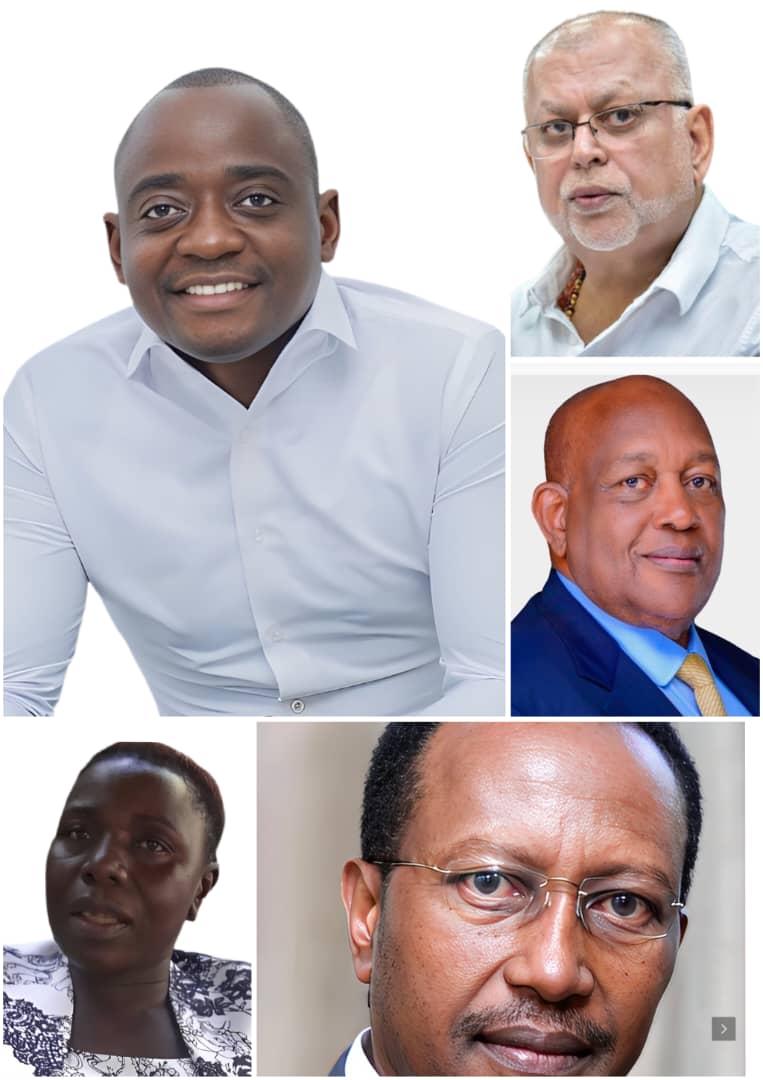
Below is the 2026 ranking of Uganda’s leading tycoons and the industrial foundations behind their wealth.
1. Hamis Kiggundu — Estimated Net Worth: US$1.3 Billion
At 42, Dr Hamis Kiggundu represents a new generation of asset-driven entrepreneurs. Founder of the Ham Group of Companies, his rise is rooted in aggressive commercial property development in Kampala, including Ham Towers and Ham Shopping Mall.
His portfolio has expanded into mixed-use real estate developments built over the engineered cover of the Nakivubo Channel, industrial agro-processing ventures in Akright City, beverage manufacturing in Nsangi, and digital payments through Hamz Pay.
Unlike traditional conglomerate models built around financial instruments, Kiggundu’s wealth is largely anchored in physical infrastructure and operating enterprises.

2. Sudhir Ruparelia — Estimated Net Worth: US$1.2 Billion
A dominant figure in Uganda’s post-liberalisation economy, Dr Sudhir Ruparelia built the Ruparelia Group into one of the country’s most diversified conglomerates.
His interests span real estate, hospitality, education, insurance and banking. Flagship properties include Speke Resort Munyonyo and the Pearl Kampala Business Park.
Ruparelia’s wealth model reflects long-term property holding combined with sectoral diversification — a structure that has historically positioned him among Uganda’s richest individuals.
3. John Bosco Muwonge — US$850 Million+
A relatively low-profile investor, Muwonge commands a substantial commercial and residential real estate portfolio in Kampala’s central business district.
His wealth is primarily rental-driven, reflecting sustained investment in high-value urban property assets.
4. Drake Lubega — US$800 Million+
Lubega’s fortune is anchored in extensive real estate holdings across major commercial corridors. His interests extend into hospitality and manufacturing, creating recurring revenue streams beyond property appreciation.
5. Mansour Matovu (Yanga) — US$785 Million
From modest beginnings in Masaka, Matovu built wealth through trading before transitioning into large-scale urban property development.
His plazas and commercial centres highlight the centrality of Kampala’s property market in wealth accumulation.
6. Karim Hirji — US$785 Million
A veteran entrepreneur, Hirji leads the Dembe Group of Companies with diversified interests in hospitality, auto dealerships, finance and entertainment.
Ownership of landmark commercial properties has reinforced his position within Uganda’s urban asset class.
7. Christine Nabukeera — US$710 Million+
Nabukeera’s portfolio centres on luxury residential and commercial real estate. Her investments underscore the dominance of property as Uganda’s preferred wealth-preservation vehicle.
8. Tom Kitandwe — US$700 Million+
Kitandwe’s diversified holdings span telecommunications, agribusiness, land assets and commercial development. His strategy blends technology-driven growth with traditional land banking.
9. Guster Lule Ntake — US$670 Million+
Ntake has adopted a multi-sector approach, investing in hospitality, agriculture and real estate. His diversified portfolio reflects a balance between consumer-facing sectors and asset-backed ventures.
10. Godfrey Kirumira — US$615 Million+
Chairman of the Kwagalana Group, Kirumira operates across petroleum distribution, manufacturing and hospitality — sectors critical to Uganda’s industrial and employment base.
11. Charles Mbire — US$600 Million+
Mbire’s investments span telecommunications, finance, energy and pharmaceuticals. As chairman of MTN Uganda and founder of Bomi Holdings, he represents a hybrid model of industrial and corporate leadership.
12. Amos Nzeyi — US$550 Million+
A veteran industrialist, Nzeyi chairs Crown Beverages Limited, Uganda’s PepsiCo bottler. He also founded Hot Loaf Bakery and owns hospitality and leisure properties including White Horse Inn in Kabale and Palm Valley Golf & Country Club near Entebbe.
His enterprises have contributed significantly to manufacturing output and tax revenues over several decades.
13. Ahmed Omar Mandela — US$535 Million+
Founder of the Mandela Group of Companies, Mandela built his empire from hardware trading into petroleum distribution, tyres, hospitality and agro-processing.
City Oil, City Tyres and Café Javas have become recognised brands within Uganda’s commercial landscape, with regional expansion into Kenya.
Real Estate: The Dominant Wealth Engine
A defining feature of the 2026 Index is the overwhelming dominance of real estate. Nearly all listed tycoons hold significant commercial property assets in Kampala and other urban centres.
Rapid urbanisation, rising demand for rental space and limited alternative capital markets have made land and commercial property the preferred store of value for Uganda’s elite.
Secondary wealth drivers include petroleum distribution, telecommunications, agro-processing and hospitality — sectors that leverage infrastructure-heavy investment models.
Growth Amid Inequality
While private wealth has expanded, Uganda’s GDP per capita remains just above US$1,000 annually, and a significant portion of the population relies on subsistence agriculture and informal employment.
The contrast between concentrated capital accumulation and widespread income vulnerability presents policymakers with a persistent challenge: how to convert private wealth expansion into broader-based prosperity.