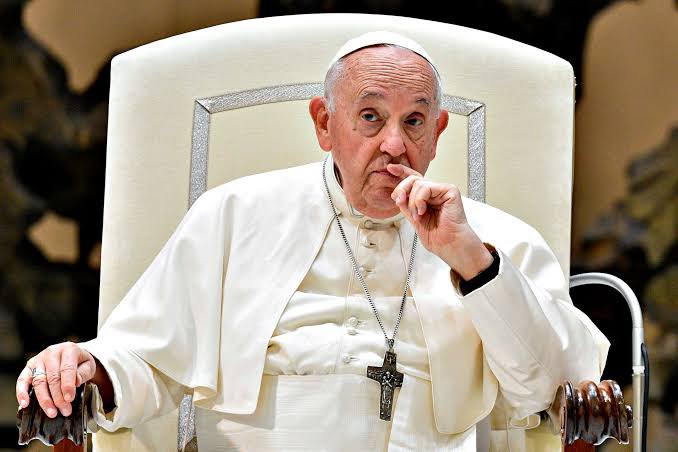
VATICAN CITY — Pope Francis, the revolutionary leader who reshaped the Catholic Church with his message of mercy and inclusivity, died on April 21, 2025, at age 88. The Vatican confirmed his passing occurred at 7:35 a.m. CEST in his residence at Domus Sanctae Marthae after a battle with double pneumonia.
From Buenos Aires to the Vatican: A Humble Journey
Born Jorge Mario Bergoglio on December 17, 1936, in Buenos Aires, Argentina, Francis was the son of Italian immigrants and a former chemical technician. His early life mirrored his future ethos: grounded, practical, and deeply connected to the working class. Ordained a Jesuit priest in 1969, he rose to become Archbishop of Buenos Aires in 1998, earning a reputation for shunning luxury—riding buses, cooking meals, and washing the feet of AIDS patients.
In a historic 2013 conclave, he became the first Latin American pope and the first to take the name Francis, inspired by St. Francis of Assisi’s devotion to simplicity and nature.
A Papacy of Radical Compassion
Francis’ 12-year reign redefined the Church’s role in the modern world. He prioritized the marginalized, famously declaring, “Who am I to judge?” about LGBTQ+ individuals, and became the first pope to endorse civil unions for same-sex couples. His 2015 encyclical Laudato Si’ demanded urgent climate action, framing environmental care as a moral duty. He slashed Vatican bureaucracy, relocated bishops to conflict zones, and sold Church assets to fund aid for refugees.
Health Struggles and Resilience
Plagued by lifelong health issues—including a lung removed in his youth due to infection—Francis faced recurring crises. A 2021 colon surgery and chronic knee pain slowed him but never silenced his voice. Even during his final hospitalization for respiratory distress in early 2025, he continued writing and meeting diplomats, embodying his belief that “the Church must go into the streets.”
Global Outpouring of Grief
Leaders worldwide mourned the loss. French President Emmanuel Macron hailed him as “a beacon of hope in dark times,” while Israel’s Isaac Herzog praised his interfaith peace efforts. Social media flooded with tributes from everyday Catholics, activists, and climate advocates, reflecting his unmatched ability to connect across divides.
Legacy: A Church Reimagined

Francis leaves a transformed Church—one that debated divorce, welcomed refugees, and challenged economic inequality. Critics called his reforms divisive, but supporters saw a pastor who prioritized people over dogma. As the Vatican prepares for a conclave to elect his successor, his vision of a “field hospital for the wounded” will endure as his defining mission.