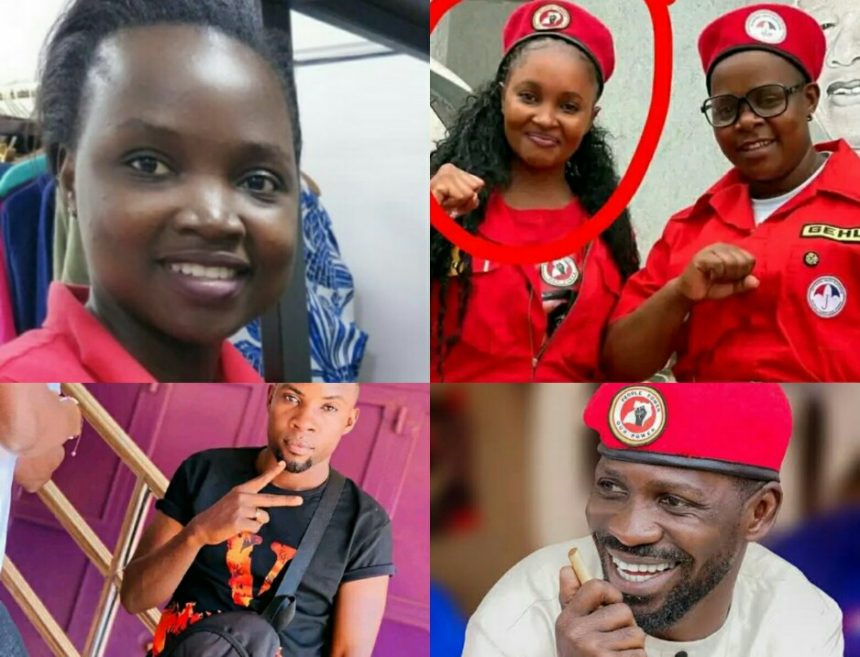
In the overcrowded labor camps and vibrant communities of the United Arab Emirates (UAE), Ugandan migrant workers have quietly discussed the possibility of change. Beginning in 2015, an expanding network of opposition advocates gradually gathered support for Bobi Wine, the artist-turned-politician whose courageous critiques of Uganda’s government struck a chord with people across borders.

They contributed small amounts of money, organized secret meetings, and rallied voices from Dubai to Abu Dhabi, intent on confronting President Museveni’s long-standing hold on power. However, by 2023, their optimism shifted to dread as allegiance to the National Unity Platform (NUP) made them targets for repression.
“More than just sending money, we were fostering a movement,” revealed one organizer, who wished to remain unnamed. “But when Bobi Wine ran for president [in 2021], the regime started monitoring us here. They turned our neighborhoods into hunting grounds.”
The UAE, a focal point for East African migrant labor, transformed into a proxy front for Uganda’s divided politics. Supporters of Museveni’s National Resistance Movement (NRM) and Gen. Muhoozi Kainerugaba, the president’s son and political successor, began tracking NUP advocates. Activists reported receiving threats, unexpected job terminations, and mysterious illnesses.

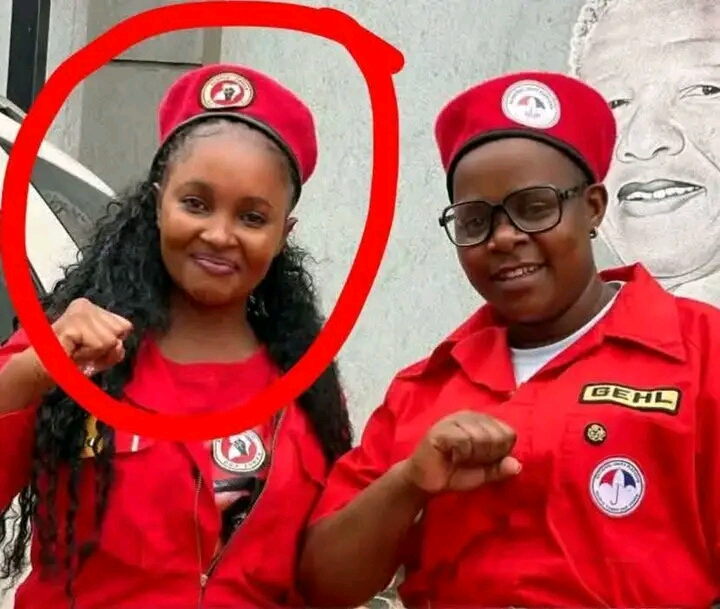
In Dubai, a construction worker was assaulted for wearing a red beret—the symbol of the NUP—during a video call with family. In Sharjah, a woman had her passport taken when authorities discovered protest songs stored on her device.
“They labeled us ‘traitors in the desert,’” recounted Ahmed, who escaped from Qatar in 2022. “But how could we be quiet? Bobi Wine was our representative.”

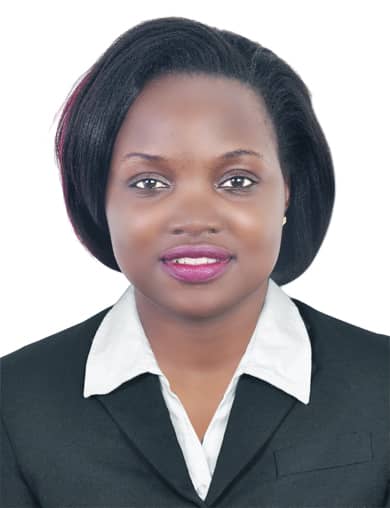
In the midst of this crackdown, Kabatooro Naume, a long-term UAE resident, emerged as a significant organizer. She and her team facilitated fundraising, organized rallies, and countered pro-Museveni messages in diaspora chat groups. “We operated in secrecy,” she confessed. “But even that wasn’t secure.”
By early 2023, the dangers increased. Friends began suffering illnesses after communal meals. One NUP activist died shortly after experiencing severe vomiting; another disappeared from her apartment in Dubai. “The hospital cited ‘food poisoning,’ but we understood it was intentional,” Kabatooro stated. When anonymous threats warned, “Your activism has an expiry date,” she escaped to Uganda in September 2023—only to find herself ensnared.
“Men in civilian clothes arrived at my home in Kampala. They charged me with ‘funding terrorism’ and demanded payoffs to evade arrest,” she recounted. “I sold everything to return to Dubai. Now I’m stuck. Uganda chases me, and here, I’m invisible.”
Her experience illustrates a larger trend. In Saudi Arabia, Mariam Nalwoga’s brother was imprisoned for sharing Bobi Wine’s speeches online. “My employer confined me indoors for a week. They claimed, *‘Politics is for men, not maids,’*” she remarked. In Oman, a driver was expelled after police identified a WhatsApp group called “Red Beret Alliance.”
Kabatooro now clings to hope. “They want us to feel isolated, but we are many,” she asserted. Still, the price is high. Gulf countries, eager to maintain diplomatic relations with Kampala, increasingly view dissent as criminal behavior. Residency permits are revoked. Activists are labeled as “troublemakers.”
“We risked everything for an improved Uganda,” Kabatooro expressed. “Now, we are doubly exiled—unwelcome abroad and hunted back home.”
—
“They poison us abroad, extort us at home. But if we cease fighting, Uganda perishes with us.”*
— Kabatooro Naume, Dubai.
The suppression of NUP supporters in the Gulf highlights the transnational methods of repression. For Kabatooro and thousands like her, survival depends on remaining unnoticed—a contradiction for those who dared to seek recognition and change.