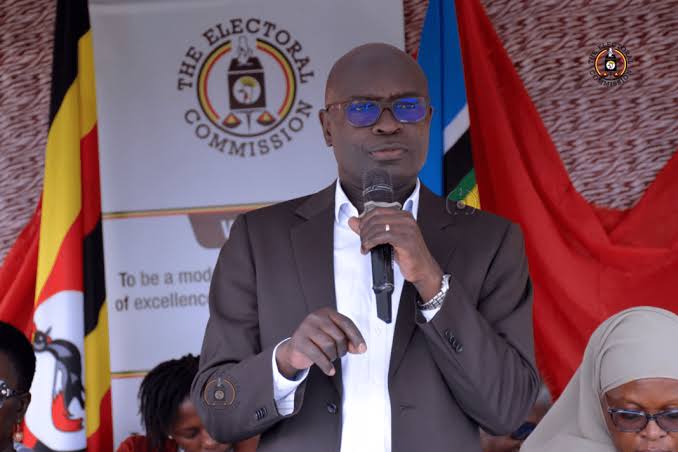
Uganda is gearing up to trial biometric voting technology in its upcoming elections, aiming to modernize its electoral process and curb voter fraud. However, as Hon. Enos K. Asiimwe, a vocal Member of Parliament, cautions:
“Our country has not yet reached a level of development where every part has full-time internet access. The challenge with the biometric system is that it relies on the internet, yet some areas still lack both internet and electricity.” His words underscore a critical hurdle in Uganda’s push for digital democracy.
The Biometric Vision
Uganda’s Electoral Commission plans to use fingerprint or facial recognition systems to verify voters, replacing manual ID checks. Proponents argue this would reduce impersonation, speed up voting, and boost public trust. Countries like Ghana and Kenya have adopted similar systems with mixed success, inspiring Uganda’s leap.
**Pros: A Step Forward?**
Biometrics could minimize electoral fraud, a persistent issue in Uganda’s contentious politics. Automated systems may also streamline voter registration and tallying, cutting administrative delays. For a youthful population, the tech-driven approach aligns with growing digital literacy.

Cons: The Reality Check
However, Hon. Asiimwe’s concerns are starkly valid. Over 30% of rural Uganda lacks electricity, and internet coverage remains patchy. Biometric devices depend on real-time data verification, risking disenfranchisement in offline areas. Power outages could paralyze polling stations, while system glitches or hacking threats pose additional risks. Critics also highlight the high cost of implementing such technology in a low-resource setting.

Balancing Ambition & Reality
Uganda’s electoral body insists it’s testing “offline-capable” biometric kits and solar-powered backups. Yet, skepticism lingers. While biometrics promise progress, the government must address infrastructure gaps to ensure no voter is left behind. As Hon. Asiimwe warns, innovation cannot outpace practicality. For Uganda, the 2026 elections will be a litmus test—not just for credibility, but for bridging the digital divide.
Will technology triumph, or will old challenges prevail? The answer lies in Uganda’s ability to power up—both literally and figuratively.